The modern newsroom is no longer a fortress of the Fourth Estate; it has become a line item on a billionaire’s balance sheet. When reports surfaced that Larry Ellison, the co-founder of Oracle and a significant financial backer in the bid for CNN’s parent company, reportedly suggested he would personally oversee the firing of specific anchors to "balance" the network, it sent a shockwave through press freedom advocacy groups. This isn't just about corporate reshuffling. It is a fundamental challenge to the wall between ownership and the news desk, a boundary that has been eroding for decades but now faces a total collapse.
The Freedom of the Press Foundation and similar watchdogs are right to be alarmed. If a primary investor can dictate who sits behind the anchor desk based on political alignment or personal grievance, the concept of an independent press becomes a myth. This situation highlights a brutal reality in the 2026 media environment: the people who build the databases and the cloud infrastructure now want to build the narrative.
The Billionaire Playbook for Media Control
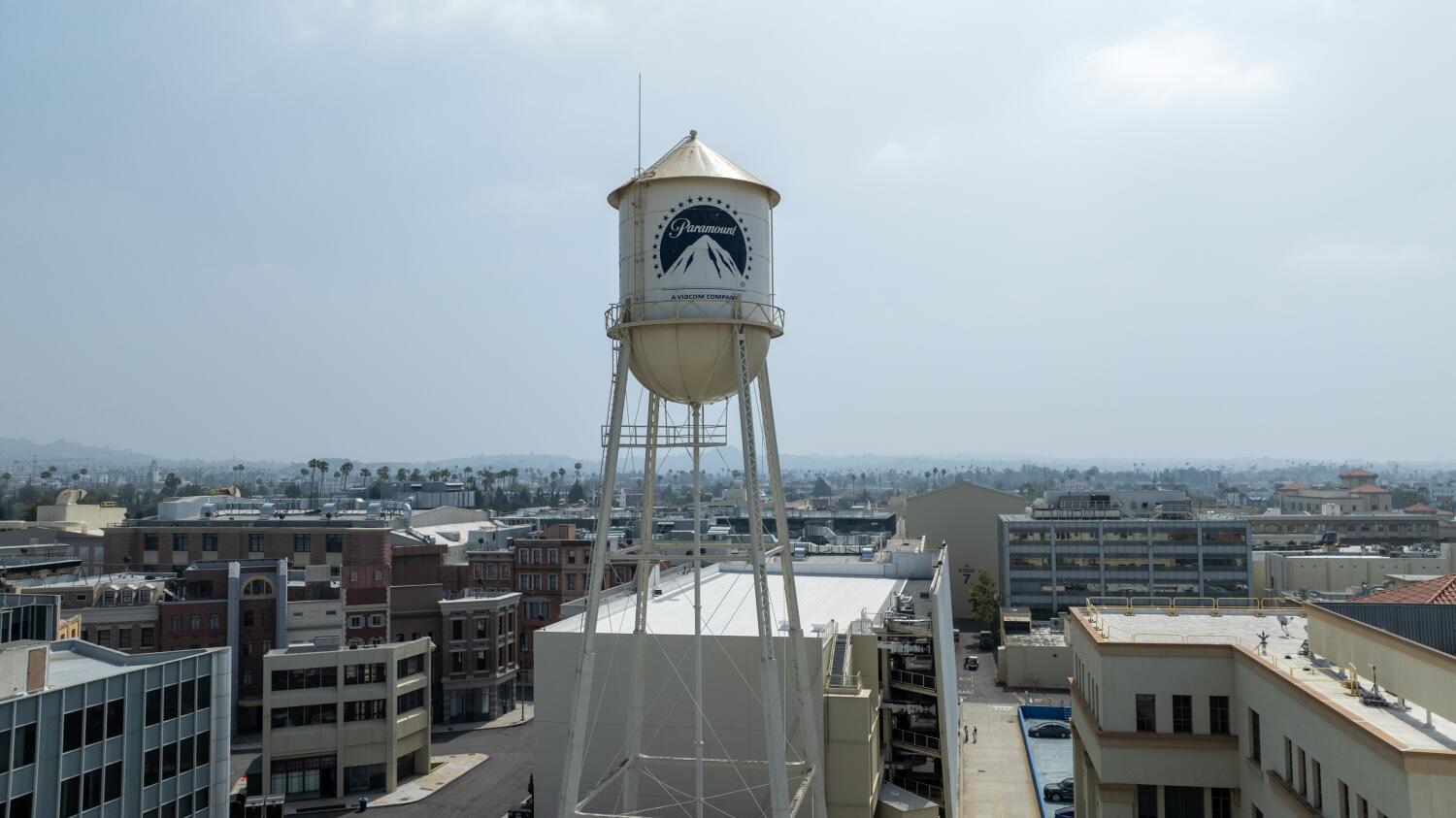
Historically, media moguls like Hearst or Pulitzer used their papers to push agendas. But they were newsmen first. The new era of media ownership is dominated by tech titans who view information as data to be optimized rather than a public service to be protected. Larry Ellison’s reported interest in CNN, channeled through his son David Ellison’s Skydance Media and its merger with Paramount Global, represents a pivot toward "narrative management."
The reported promise to remove certain anchors—often those perceived as being too critical of specific political figures—suggests that news is being treated as a product that needs to be "fixed" to suit a particular market or political objective. This is a radical departure from the traditional hands-off approach expected of owners. When Jeff Bezos bought the Washington Post, he famously stated he would not interfere with the newsroom. Whether he kept that promise is debated, but the standard remained. Ellison’s reported stance abandons the pretense entirely.
The mechanism here is simple. Ownership provides the leverage to appoint leadership. Leadership provides the leverage to "rethink" the talent. In a world where cable news ratings are struggling against decentralized digital creators, a billionaire can justify these purges as a "business pivot" or a move toward "neutrality." In reality, it is often the installation of a new, hand-picked bias.
Why Press Freedom Groups Are Sounding the Alarm
Organizations like Reporters Without Borders and the Committee to Protect Journalists don’t usually weigh in on standard corporate mergers. They are intervening now because the stakes have shifted from market share to democratic integrity. If the person who controls the cloud also controls the broadcast, the potential for a feedback loop of curated information is immense.
Advocacy groups are focusing on three main threats:
- Self-Censorship: Once a billionaire owner signals a willingness to fire talent for their reporting, every producer and junior reporter in the building begins to pull their punches. You don't need to fire everyone; you only need to fire a few to change the behavior of the rest.
- The Weaponization of Neutrality: Owners often use the word "balance" as a smokescreen for removing critical voices. By framing the removal of veteran journalists as a move toward the center, owners can dismantle investigative units that are "too loud" or "too aggressive."
- Concentration of Power: Ellison is not just a wealthy individual; he is a pillar of the military-industrial-technological complex. When a man whose company holds massive government contracts owns a primary news outlet, the conflict of interest is not just a possibility—it is an inevitability.
These groups are demanding transparency. They want written guarantees that editorial independence will be baked into the corporate bylaws of the new Paramount-Skydance entity. However, in the high-stakes world of multi-billion dollar mergers, a "gentleman’s agreement" on editorial independence is worth exactly as much as the paper it isn't written on.
The Financial Reality of the CNN Crisis
CNN has been in a state of perpetual identity crisis since the departure of Jeff Zucker and the short-lived tenure of Chris Licht. The network is caught between its legacy as the "most trusted name in news" and the pressure to compete with the high-octane opinion programming of its rivals. This financial vulnerability makes it a prime target for a "savior" with an agenda.
Skydance’s acquisition of Paramount Global brings CNN into a portfolio that includes major film studios and streaming assets. In this ecosystem, news is often seen as a loss leader or a political shield. If the news division loses money but gains the owner influence in Washington or with a specific segment of the voting public, the owner may consider it a success.
We have seen this before. When local news stations across America were bought up by massive conglomerates, the "must-run" segments began to appear—scripts written at corporate headquarters and read by local anchors to ensure a uniform message. The fear is that CNN, a global brand, will become the ultimate version of a "must-run" operation, where the editorial line is dictated by the interests of the Oracle boardroom.
The Role of David Ellison and Skydance
David Ellison has built Skydance into a powerhouse by producing blockbusters like Top Gun: Maverick. He understands the power of the hero narrative. There is a growing concern that he will apply the same cinematic logic to the news: simplifying complex global events into digestible, branded stories that don't offend his father’s business interests or political allies.
The merger isn't just about consolidation; it's about the vertical integration of reality. If you own the studio that makes the movies, the streamer that delivers them, and the news network that tells people what to think about the world, you control the entire cultural lifecycle. Larry Ellison’s reported involvement isn't just a father helping a son; it’s the patriarch ensuring the family legacy includes a megaphone.
Rebuilding the Firewall
If the industry wants to survive this era of billionaire consolidation, it needs more than just tweets from advocacy groups. It needs structural reform.
One potential solution is the "trust model," similar to how The Guardian is owned by the Scott Trust. This ensures that profits are reinvested into journalism and that the editor-in-chief is protected from the whims of a single owner. But for a publicly-traded or private-equity-backed entity like the new Paramount, a trust is a hard sell to shareholders who want maximum "synergy."
Another path is the strengthening of internal unions. The CNN newsroom has been historically less unionized than some of its peers, leaving individuals vulnerable to top-down purges. Collective bargaining for editorial independence—where firing an anchor for political reasons triggers a newsroom-wide strike—is perhaps the only language a tech billionaire truly understands.
The Problem with "Both-Sidesism"
The most dangerous part of the reported Ellison strategy is the idea of "fixing" the news by making it more "balanced." In the current political climate, "balance" often means giving equal weight to objective facts and demonstrably false claims.
When a billionaire owner talks about balance, they are often talking about removing the friction that truth-telling creates for their business interests. If a reporter investigates a company that uses Oracle’s cloud services, or a politician who supports Oracle’s tax breaks, that reporter is now a liability. Calling for "balance" is the easiest way to sideline that reporter without looking like a censor.
The Future of the Anchor Desk
The era of the "Voice of God" anchor is already ending. Younger audiences don't trust the polished, suit-and-tie presentation of legacy news. They want authenticity and transparency. By threatening to fire established anchors, the new ownership might think they are modernizing the brand. In reality, they are destroying the only thing CNN has left: its reputation for standing up to power.
If these firings happen, it won't just be a loss for the individuals involved. it will be a signal to every other journalist in the industry that their job security is tied to their subservience. The "press freedom challenge" currently being mounted is not just a PR battle. It is a fight for the soul of an industry that is being bought out by people who have spent their lives building systems that prioritize efficiency over ethics.
The Economic Leverage of the Audience
Ultimately, the most potent check on billionaire interference is the audience. If CNN becomes a mouthpiece for the Oracle boardroom, viewers will leave. We have seen this with other platforms that pivoted too hard toward an owner’s personal ideology; the brand equity evaporates, and the platform becomes a ghost town of partisan shouting.
Investors in the Paramount-Skydance deal should be wary. Larry Ellison might want to fire anchors to satisfy a political itch, but that move could destroy the multibillion-dollar asset he is trying to help his son acquire. Journalism is not software. You cannot simply "patch" a newsroom to remove the features you don't like. If you break the trust of the audience, the code is unfixable.
The true test will come during the first major political crisis following the merger. Will CNN’s reporters be allowed to follow the money, even if it leads to the Ellison family’s doorstep? Or will the broadcast go dark on the stories that matter most?
The fight led by press freedom groups is an attempt to get an answer to that question before the ink on the merger is dry. They are asking for a commitment to the public interest from men who have spent their careers answering only to shareholders and their own ambitions. The answer they receive—or the silence that follows—will tell us everything we need to know about the future of the American media.
Journalism is a volatile, expensive, and often annoying business for those who like total control. If you aren't prepared to be embarrassed by your own reporters, you have no business owning a newsroom. The attempt to "clean up" CNN’s anchor desk isn't an improvement of the product; it’s an admission that the new owners are afraid of the very thing they are buying.
Protecting the independence of the newsroom is not a luxury; it is a prerequisite for a functioning society. If we allow the infrastructure of our information to be redesigned as a vanity project for the ultra-wealthy, we lose the ability to see the world as it is. We see it only as they want us to.
The warning shots have been fired. Whether the journalists inside CNN and the public at large are listening remains the most critical question of this merger. The firewall is crumbling, and the people with the hammers are already in the building.