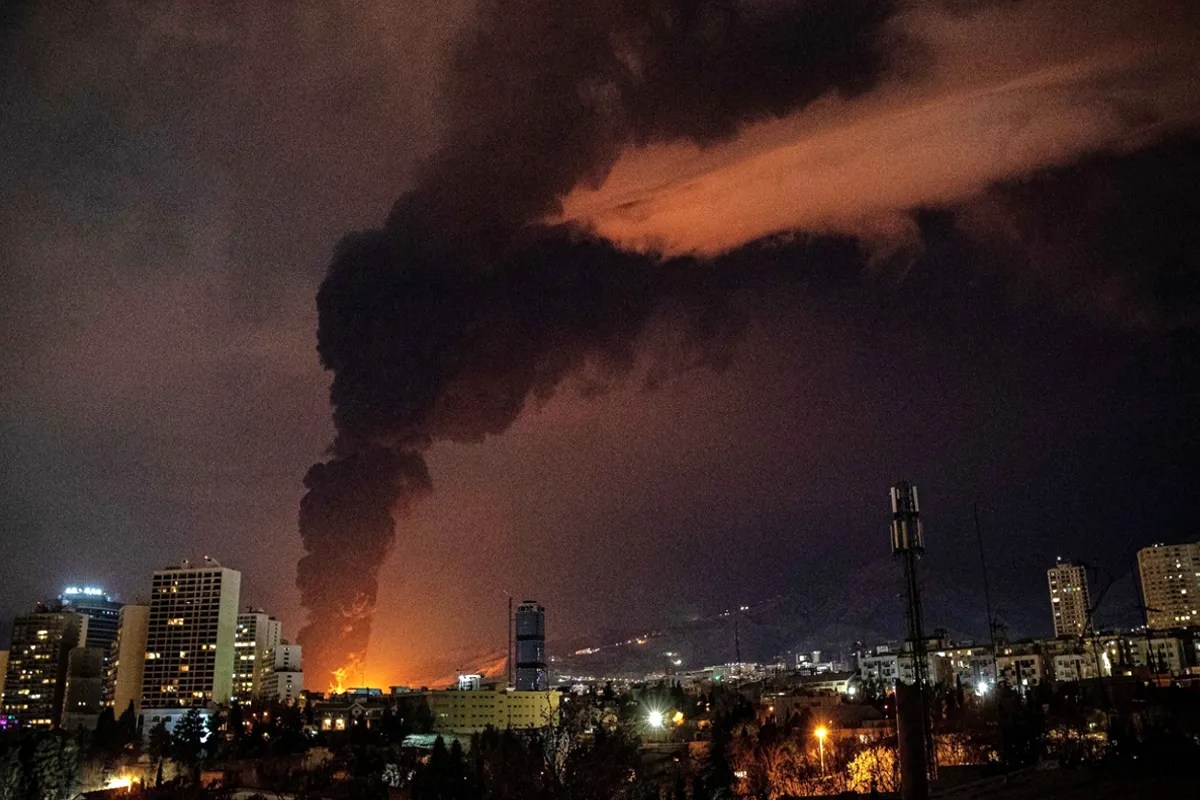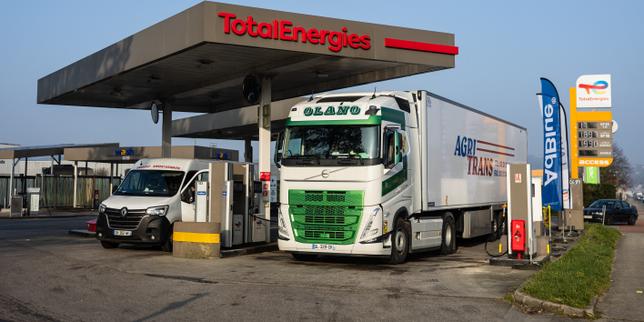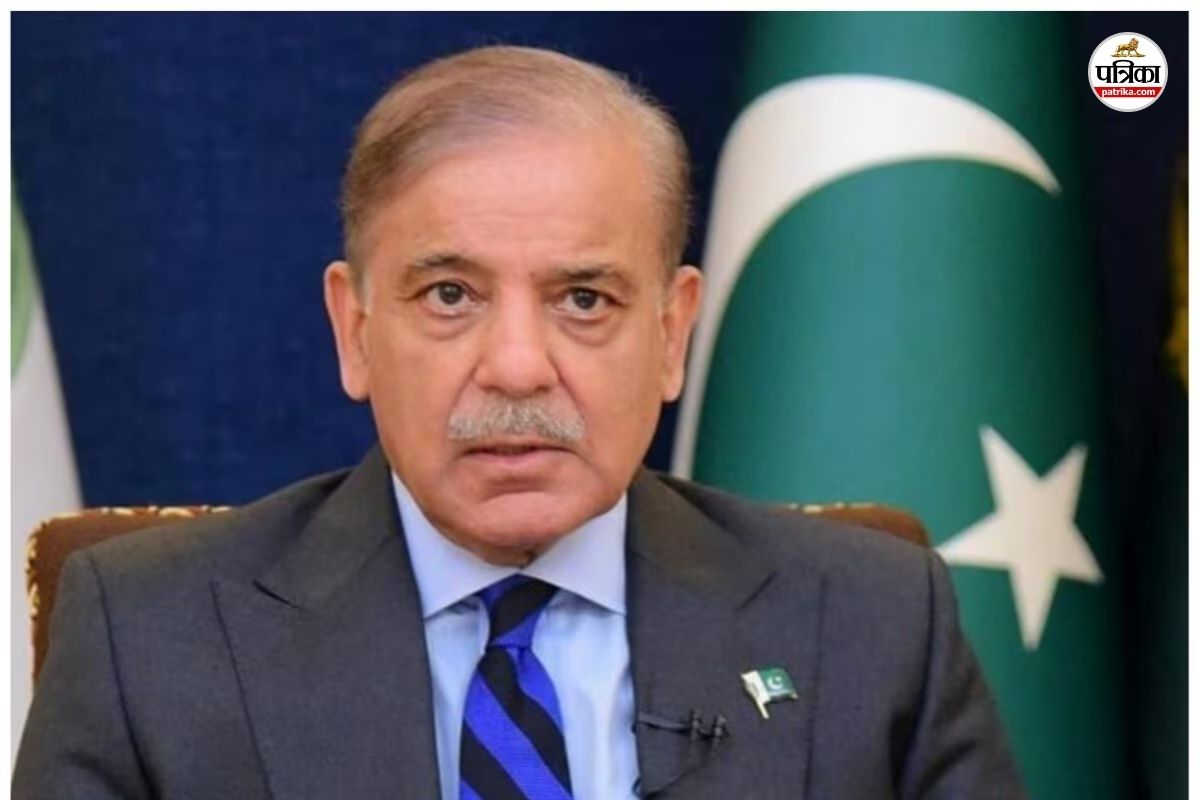
The headlines are screaming about a "bankrupt Pakistan" locking its school gates and sending bureaucrats home. The narrative is lazy. It’s predictable. Most analysts are looking at the four-day work week in Islamabad and seeing the white flag of a failing state. They see a government paralyzed by an energy crisis, desperate to shave a few million off a fuel bill that is bleeding the treasury dry.
They are wrong. You might also find this similar story interesting: The Middle Power Myth and Why Mark Carney Is Chasing Ghosts in Asia.
What the mainstream media misses—what they always miss when they look at emerging market volatility—is the structural pivot hidden inside the desperation. This isn't just about saving electricity. This is a forced experiment in radical resource reallocation. While the world mocks the "shuttered offices," they ignore the fact that the traditional 9-to-5 model in a high-debt, energy-starved economy is actually a productivity killer, not a driver.
The Myth of the Productive Bureaucracy
Let’s dismantle the first delusion: the idea that a five-day or six-day government work week in South Asia equates to economic output. As highlighted in latest coverage by CNBC, the implications are significant.
I have spent decades watching developing economies burn through IMF tranches while maintaining bloated, inefficient public sectors. In these environments, the fifth day of the work week isn't spent on policy innovation. It’s spent on "cooling costs." It’s spent idling in traffic, burning imported petrol to move people to buildings that require massive HVAC loads to fight 40°C heat.
When a government like Pakistan’s mandates a four-day week, they aren't just "saving lightbulbs." They are cutting the massive overhead of the state's physical footprint. By reducing the operational days by 20%, they are attacking the Energy Intensity of GDP.
If your energy is expensive and your currency is weak, every hour spent in a physical office is a net loss for the nation. The "lazy consensus" says you need offices open to keep the wheels turning. The data says those wheels are currently stuck in a mud pit of high oil prices. Cutting the days is a tactical retreat to preserve the engine.
Energy Orthodoxy is Killing Growth
The common critique is that "schools are closing," implying a generation is being abandoned. This is an emotional argument, not an economic one.
In a true energy emergency, you have two choices:
- Maintain the "status quo" and face rolling blackouts that destroy the industrial sector (textiles, manufacturing, exports).
- Throttle the service and administrative sectors to keep the factories running.
The Pakistani government is choosing the latter. By locking the schools and government halls temporarily, they are prioritizing the Industrial Base.
In my experience, the most dangerous thing a failing economy can do is treat all energy consumers as equal. A school without power for four hours is a tragedy; a textile mill without power for four hours is a bankruptcy. By forcing the public sector into a compressed schedule, the state is effectively subsidizing the export sector with the energy "stolen" from the bureaucracy.
It’s brutal. It’s ugly. It’s also the only move left on the board.
The Remote Work Revolution by Force
Every Silicon Valley VC raves about "digital transformation." Yet, when a nation like Pakistan is forced into a hybrid model by necessity, the same pundits call it a collapse.
This "emergency" is actually the largest forced pilot program for digital governance in the history of the region. For years, the Pakistani bureaucracy resisted digitization. Paper files, "babu" culture, and physical presence were the anchors holding back modernization. Now, those anchors are gone.
Imagine a scenario where 40% of the administrative tasks move to digital asynchronous workflows because the physical office is literally dark.
- Transparency increases because digital trails are harder to lose than paper folders.
- Costs plummet because the state no longer needs to maintain massive colonial-era estates five days a week.
- Labor flexibility actually reaches the public sector for the first time.
The "collapse" is the death of the old way. The "disruption" is the birth of a leaner, more agile state apparatus that doesn't depend on the grid being 100% reliable 100% of the time.
Why Investors Should Stop Panicking
The markets love to punish "instability." But stability in a broken system is just a slow-motion car crash.
When you see a country like Pakistan taking the political hit of closing schools and offices, you should see a government that finally understands the math of its own survival. The real danger isn't the four-day week; the danger is the "pretend" five-day week where the lights go out anyway, and no one has a plan.
The IMF and the World Bank often demand "structural reforms." Usually, that means taxes. But the most profound structural reform is Energy Decoupling. If Pakistan can learn to run its administrative heart on 80% of the previous energy budget, it becomes more resilient to the next global oil shock.
Is there a downside? Absolutely. The educational gap is real. The loss of instructional time for children is a debt that will be paid in the future. But you cannot educate a population if the country’s currency has vaporized and the food supply chain has snapped because there was no fuel to move the trucks.
The Brutal Reality of the Trade-off
Stop asking if this is "good" or "bad." That’s a child's question. Ask what the alternative is.
The alternative is the Sri Lankan scenario: total grid collapse, zero fuel at the pumps, and a complete cessation of all economic activity. Compared to that, a four-day work week is a luxury. It is a controlled burn to prevent a forest fire.
The "experts" telling you that this is the end of the road are the same ones who didn't see the 2022 energy crisis coming. They operate on the assumption that "work" only happens in a building between Monday and Friday. That world is dead. Pakistan is just the first to admit it because they can no longer afford the funeral.
Stop Trying to Save the 5-Day Week
The advice for the Pakistani leadership—and for anyone watching this space—is simple: Don't go back.
Even when the reserves stabilize, going back to the old model is a mistake. The four-day week shouldn't be an "emergency measure." It should be the new baseline for any nation where the cost of energy exceeds the marginal utility of the fifth work day.
- Pivot to Solar: Every closed school roof should be a micro-power plant.
- Asynchronous Governance: If the office is closed Friday, the digital portal must be open 24/7.
- Urban De-congestion: The fuel savings from one less day of commuting is a direct injection of liquidity into the pockets of the middle class.
The world thinks Pakistan is closing down. I think they are finally starting to count the cost of being "open" for no reason.
The fifth day was a lie we told ourselves to feel productive. The darkness in the offices isn't a sign of the end; it's a sign that the lights are finally being turned on in the accounting department.
If you're waiting for things to "get back to normal," you've already lost. Normal was what got them into this mess. The four-day week is the first step toward a reality where energy is treated as the finite, precious resource it actually is, rather than a background noise we can afford to waste.
Stop mourning the office. Start watching the data.