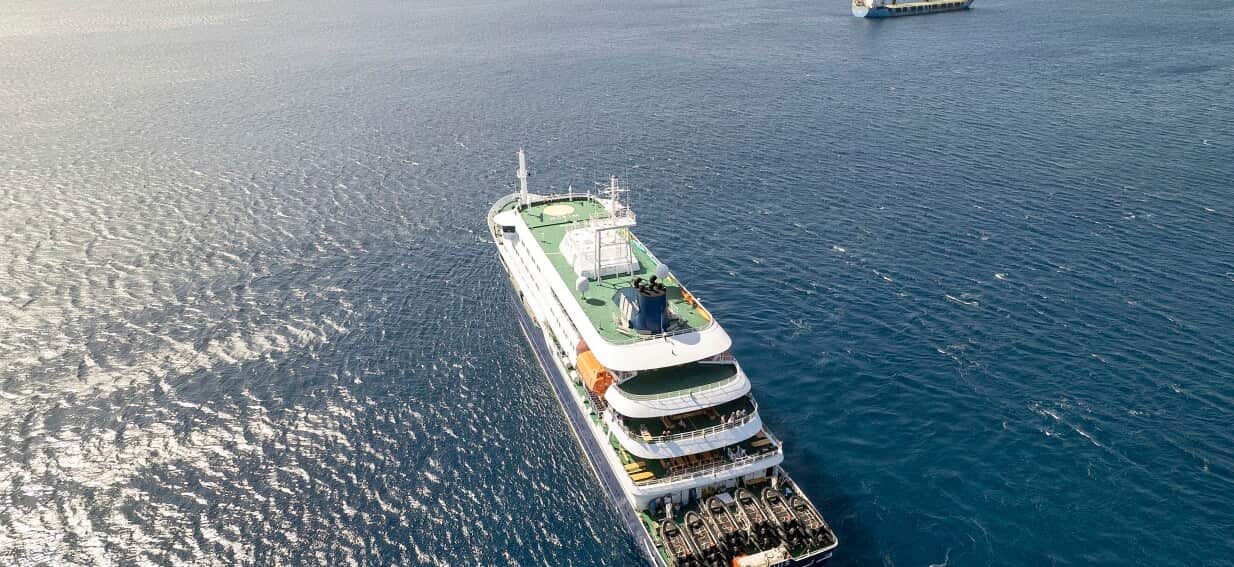
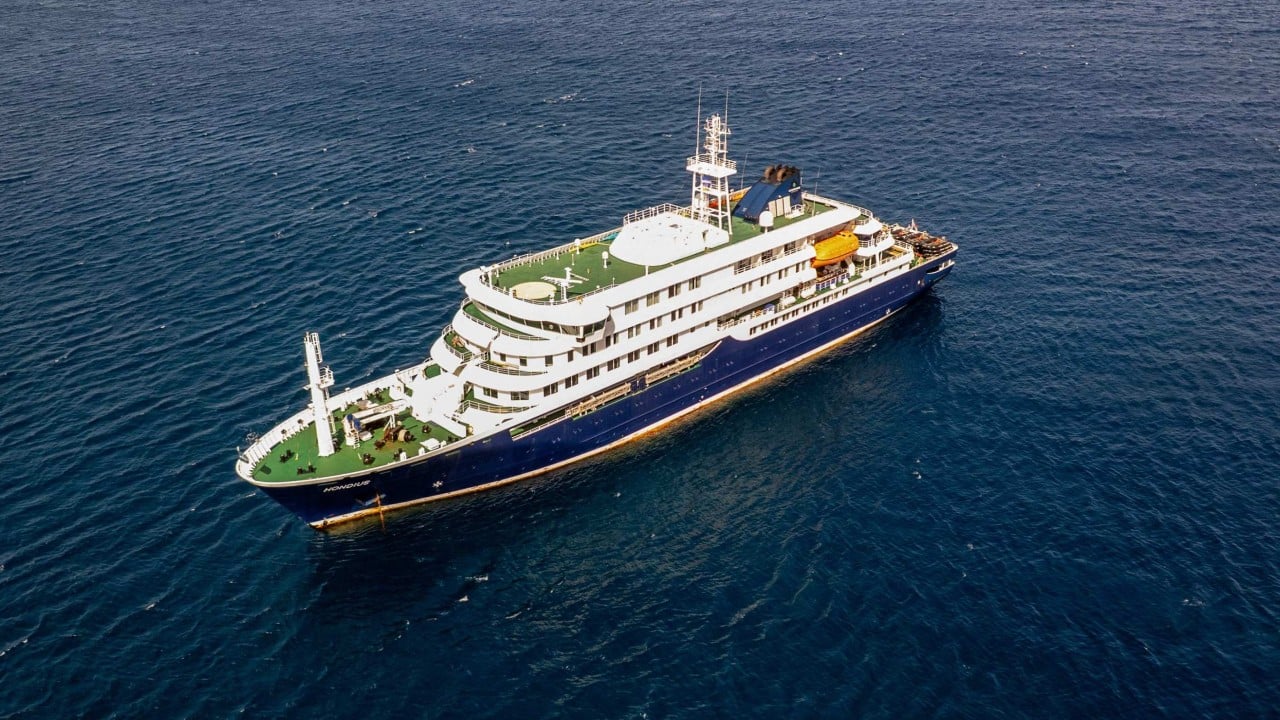
The recent fatalities aboard an Atlantic cruise vessel—comprising three deaths and one laboratory-confirmed case of hantavirus—represent a failure of biological containment and environmental hygiene protocols. While public discourse often focuses on the tragedy of the losses, a rigorous analysis must dissect the specific breakdown of the Vessel Sanitation Program (VSP) and the unique epidemiological profile of hantavirus in a closed-system maritime environment. This incident demonstrates a breach in the primary barrier between vector habitats and high-density human quarters, exposing a systemic vulnerability in luxury maritime logistics.
The Hantavirus Transmission Vector Matrix
Hantavirus is not an airborne virus in the traditional sense of human-to-human respiratory droplets; rather, it is a zoonotic pathogen primarily transmitted through the aerosolization of excreta from infected rodents. To understand the presence of this virus on a deep-sea vessel, one must map the three possible vectors of introduction:
- Supply Chain Infiltration: Rodents or contaminated packaging entering the ship via food and beverage pallets during port-of-call loading.
- Infrastructure Nesting: Established rodent populations within the "grey zones" of the ship—void spaces, cable runs, and HVAC plenums—that remain undisturbed during standard turnaround cleaning.
- Terrestrial Exposure: Passengers or crew contracting the virus during shore excursions in endemic regions, though the incubation period (typically 1 to 8 weeks) often obscures the exact point of contact.
In this specific Atlantic case, the World Health Organization (WHO) confirmation of hantavirus suggests a breakdown in Integrated Pest Management (IPM). The virus thrives in enclosed, poorly ventilated spaces where dried rodent urine or droppings are disturbed, creating microscopic particles that are inhaled by occupants. On a cruise ship, the HVAC system can act as a force multiplier for these particles if the filtration grade (MERV rating) is insufficient to capture viral-laden dust.
The Mortality-Morbidity Disparity
The reporting of three deaths alongside only one confirmed hantavirus case creates a statistical tension that demands clinical clarification. The discrepancy likely stems from two variables: the lag in diagnostic confirmation and the presentation of Hantavirus Pulmonary Syndrome (HPS) versus other acute respiratory distress syndromes.
HPS progresses through two distinct clinical phases:
- The Prodromal Phase: Characterized by fever, myalgia, and fatigue. These symptoms are indistinguishable from common influenza or Norovirus, which are endemic to cruise environments, leading to frequent misdiagnosis and delayed isolation.
- The Cardiopulmonary Phase: A rapid onset of pulmonary edema and hypotension. At this stage, the survival rate drops precipitously as the lungs fill with fluid, requiring mechanical ventilation and intensive care—capabilities that are often limited in a shipboard medical center.
The "excess mortality" observed (the two deaths not yet officially linked to hantavirus) suggests either a shared environmental toxin, a secondary co-infection, or simply the time delay required for specialized serological testing (ELISA or RT-PCR) which cannot be performed at sea.
Operational Bottlenecks in Maritime Quarantine
Once a pathogen of this lethality is identified, the ship’s command faces a Tri-Sector Crisis:
The Logistical Bottleneck
Quarantining a vessel at sea is not a matter of simply locking cabin doors. The metabolic requirements of 3,000+ passengers necessitate a constant flow of staff for food delivery and waste removal. Each movement across "hot" and "cold" zones increases the probability of cross-contamination. If the virus is linked to the ship’s internal rodent population, every utility closet and food prep area becomes a potential point of re-exposure.
The Diagnostic Gap
Cruise ship medical facilities are designed for stabilization, not long-term infectious disease management. The lack of on-site high-complexity molecular diagnostics means the ship’s surgeon is forced to treat symptoms rather than the underlying cause. This "blind" clinical management is the primary driver of the high mortality rates seen in maritime outbreaks.
The Regulatory Friction
International Health Regulations (IHR 2005) mandate that ships report "illness of a defined nature" to the next port of call. However, the stigma of a "plague ship" often leads to port denials, forcing the vessel to remain at sea longer, which compounds the viral load within the closed HVAC loop.
Structural Vulnerabilities in Ship Design
The modern cruise ship is a masterpiece of spatial efficiency, but that efficiency is the enemy of bio-containment. To quantify the risk, one must evaluate the Volumetric Air Exchange Rate (VAER). In common areas, air is recycled to maintain temperature, often mixing air from various decks. While HEPA filtration is increasingly standard, it is rarely applied to the "behind-the-scenes" service corridors where the rodent vectors are most likely to reside.
The second structural vulnerability is the Interstitial Space Density. A ship is a labyrinth of false ceilings, raised floors, and insulation—all of which provide ideal, predator-free nesting grounds for Rattus norvegicus or Mus musculus. If a single pregnant rodent enters during a mid-cruise provisioning, the exponential growth of the population in these inaccessible areas can outpace standard trapping protocols within a single transatlantic crossing.
Systematic Breakdown of the World Health Organization Response
The WHO’s involvement signals that this incident has transcended standard maritime law and entered the territory of a Public Health Emergency of International Concern (PHEIC). The organization’s role is focused on three pillars of intervention:
- Epidemiological Trace-Back: Identifying the specific port where the vector was introduced.
- Standardization of Serological Data: Ensuring that the samples taken from the deceased and the symptomatic are processed in reference laboratories to rule out a mutated or novel strain of the virus.
- Environmental Audit: Reviewing the ship’s "Yellow Fever" and "Ship Sanitation" certificates to determine if previous inspections missed signs of infestation.
The primary challenge for the WHO in this context is the "Moving Target" problem. The ship is a floating jurisdiction that changes its legal obligations as it moves from international waters into territorial seas. This creates a data-sharing vacuum where the cruise line’s corporate interests may conflict with the transparency required for a global health response.
Quantifying the Economic Impact of Bio-Contamination
The cost of a hantavirus-related fatality on a vessel extends far beyond legal settlements. The Total Economic Friction (TEF) of such an event includes:
- Asset Devaluation: The "stigma" attached to a specific vessel name can lead to a 15-25% reduction in booking rates for the subsequent 24 months.
- Operational Downtime: A full deep-clean and "deratting" of a vessel of this size requires a minimum of 14 days out of service, costing millions in lost revenue and port fees.
- Regulatory Surcharges: Mandatory increases in inspection frequency and the requirement for full-time on-board sanitarians.
Risk Mitigation via Predictive Hygiene
To prevent a recurrence of the Atlantic incident, the industry must move from reactive cleaning to Predictive Hygiene Architecture. This involves:
- Acoustic Rodent Detection: Installing ultrasonic sensors in void spaces to detect rodent movement before a population reaches the threshold of human contact.
- Real-Time Bio-Sensors: Integrating air quality sensors that can detect specific protein markers or volatile organic compounds (VOCs) associated with rodent excreta.
- Zonal Isolation: Redesigning HVAC systems with "Kill Switches" that can completely isolate the air supply of a single deck or corridor without compromising the rest of the ship.
The reliance on manual inspections and visual sightings of pests is an antiquated strategy that failed in this instance. The presence of hantavirus—a virus typically associated with rural, terrestrial cabins—on a multi-billion dollar maritime asset highlights a glaring disconnect between luxury aesthetics and fundamental biological security.
The immediate strategic requirement for maritime operators is a re-classification of rodent control from a "housekeeping" task to a "critical life-safety" function, equivalent to fire suppression or lifeboat maintenance. The Atlantic fatalities prove that a single breach in the vector barrier can result in a catastrophic loss of life and a total collapse of consumer trust. Operators must immediately audit their supply chain "last-mile" protocols at all international ports to ensure that the interface between the pier and the ship is a hard biological border.

00128-7/asset/c466084c-91d2-4e7e-b9c9-54c0be1ccc1c/main.assets/gr1_lrg.jpg)