The headlines are feeding you a fairy tale. They want you to believe in a world where a "peace draft" in one hand and "falling bombs" in the other are two opposing forces fighting for the soul of the Middle East. They frame it as a paradox. It isn't. It is a single, synchronized mechanism of leverage that the media consistently fails to grasp because they are blinded by the optics of tragedy.
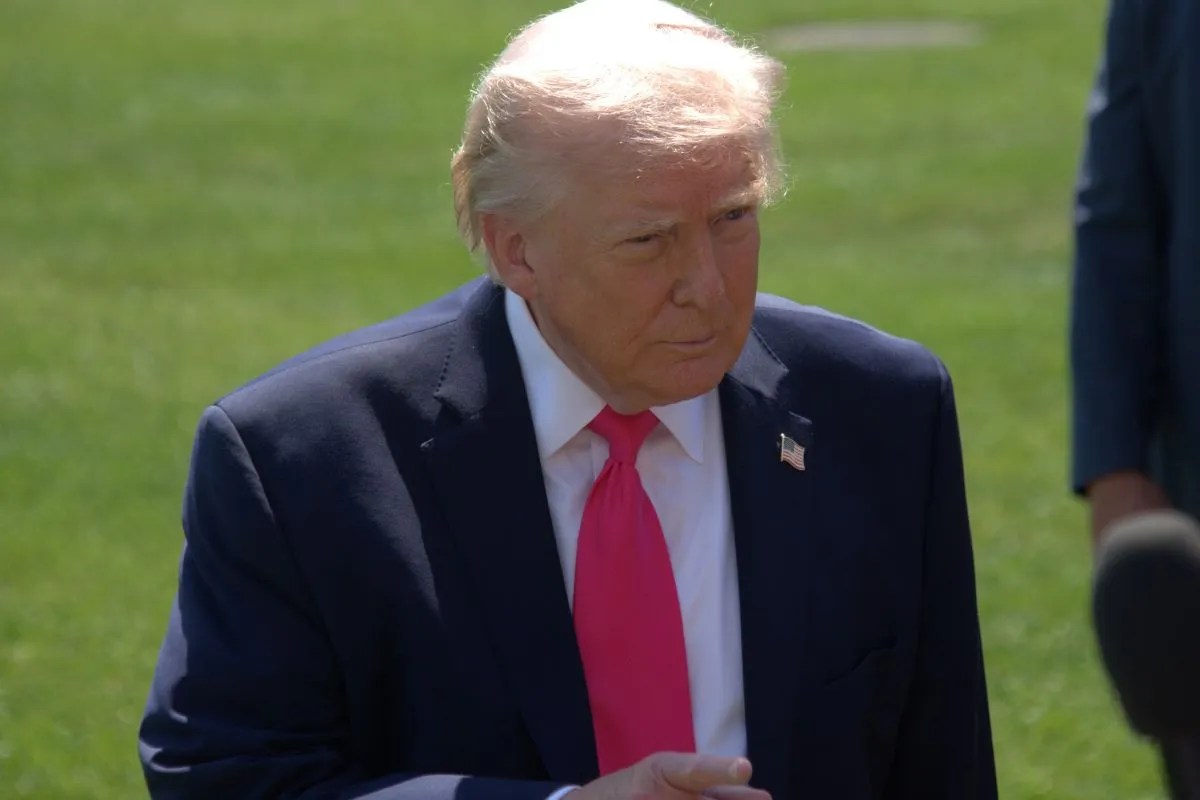
The mainstream narrative suggests that Israel is "rocking Lebanon with gunpowder" while Donald Trump waits in the wings with a magical piece of paper. This is lazy analysis. It presumes that diplomacy happens in quiet rooms and war happens on the battlefield, and never the twain shall meet. In reality, the bombs are the ink on the peace draft.
The Fallacy of the Peace Draft
Everyone loves a savior narrative. The idea that a specific leader holds a "draft for peace" suggests that conflict is merely a misunderstanding waiting for the right mediator. This is a fundamental misunderstanding of regional power dynamics. Peace in the Levant has never been about the quality of the prose in a document. It is about the exhaustion of the combatants and the shifting of red lines through hard power.
When you see reports of intensified strikes in Beirut or southern Lebanon coinciding with diplomatic whispers, don't view them as contradictions. View them as the closing of a vice. Israel isn't "destabilizing" the region for the sake of chaos; they are actively narrowing the options of their adversaries to ensure that when a "draft" finally reaches the table, the opposition has no choice but to sign it. This is kinetic diplomacy. It is brutal, it is ugly, and it is the only language that currently has any currency in the region.
Why "Ceasefire" is a Loaded Term
The public clamors for a ceasefire as if it were an end goal. It’s not. In the current architecture of the Middle East, a ceasefire is often just a tactical pause used to rearm, regroup, and dig deeper tunnels.
I have watched analysts for decades treat these pauses as victories. They aren't. If a ceasefire doesn't address the underlying asymmetric threat of non-state actors embedded in civilian infrastructure, it is merely a stay of execution. The current Israeli strategy—widely criticized for its "disproportionate" nature—is a direct response to the failure of twenty years of "proportionate" skirmishes. They have realized that "managing" the conflict is a losing game. They are now trying to "solve" it, and you don't solve a decades-long insurgency with a polite request and a handshake.
The Trump Factor: Ego vs. Reality
The competitor's piece leans heavily on the specter of a Trump-led peace. Let’s dismantle that. While the Abraham Accords were a genuine shift in the regional status quo, they succeeded because they bypassed the Palestinian issue entirely to focus on shared Iranian threats and economic interests.
The Lebanese-Israeli front is a different beast. It is a direct proxy confrontation. A "peace draft" under a new administration isn't a magic wand. It is a ledger. It says: "We will stop the kinetic pressure if you concede X, Y, and Z." The bombs currently falling are the pressure that makes "X, Y, and Z" look like a bargain. Trump's perceived "strength" or "unpredictability" is only useful if there is a credible threat of force or a total withdrawal of support behind it.
The Intelligence Gap
The media focuses on the smoke rising from Beirut. They rarely focus on the intelligence failure that allowed the situation to reach this point. Years of "stability" were actually years of radicalization and weaponization.
If you want to understand why Lebanon is being "rocked" now, look at the failure of international monitoring bodies. UNIFIL (United Nations Interim Force in Lebanon) has been a decorative ornament for years. They have watched—or looked away—as thousands of rockets were moved into position. When the "peace" is a lie, the "war" becomes an inevitability. To be shocked by the current escalation is to admit you weren't paying attention for the last decade.
The Mechanics of Escalation
- Targeted Attrition: Israel isn't just hitting "Lebanon." They are surgically—and sometimes bluntly—removing the leadership tier of a specific organization.
- Infrastructure Neutralization: They are betting that by making the cost of hosting a proxy militia too high for the Lebanese state, the domestic population will eventually pivot. It’s a high-stakes gamble with a history of mixed results.
- Information Warfare: The "peace draft" rumors serve to keep the international community at bay, providing a horizon of hope that prevents immediate, heavy-handed intervention from outside powers.
The Brutal Truth About "Proportionality"
The concept of proportionality in international law is the most misunderstood metric in modern warfare. It does not mean "eye for an eye." It does not mean if one side loses ten people, the other side is only allowed to kill ten.
$P = \frac{V}{C}$
In a simplified strategic sense, the Value ($V$) of the military objective must outweigh the anticipated Civilian Cost ($C$). When an adversary embeds their entire military apparatus within a civilian population, they are intentionally inflating the $C$ to make the $P$ impossible to justify. Israel has clearly decided that the $V$—the total removal of a multi-generational threat—is now high enough to justify a $C$ that the rest of the world finds stomach-turning.
Stop Asking for Peace; Ask for Victory
The most "pro-peace" stance one can take is often the most controversial: wanting one side to win decisively. Indecisive conflicts lead to "frozen" wars that thaw out every five years to claim more lives. The "peace drafts" mentioned in the news are often just attempts to freeze the conflict again.
If you are a Lebanese civilian, a "peace draft" that leaves a heavily armed militia in your backyard is not peace. It is a countdown. If you are an Israeli civilian in the north, a "ceasefire" that allows for the continued presence of elite commandos on your border is not security. It is a stay of execution.
The Economic Shadow
We also ignore the financial reality. Lebanon is a failed state. Its currency is toilet paper. Its government is a ghost. In this vacuum, the only entities with cash are those funded by external regional powers.
You cannot have a "peace draft" in a vacuum. Peace requires a partner. Currently, there is no Lebanese state capable of enforcing a treaty. This is the nuance the "peace draft" headlines miss. Who signs the paper? A government that doesn't control its own territory? A militia that doesn't recognize the other side's right to exist? The draft is a phantom. The fire is real.
What the "Insider" Knows
I have seen billions of dollars in aid and "peacebuilding" funds vanish into the pockets of the very people who profit from the status quo. Conflict is a business. The "gunpowder" mentioned in the competitor's headline is an expense account for some and a tragedy for others.
The real contrarian take? The escalation we see now isn't the failure of diplomacy. It is the result of diplomacy's previous lies. We are seeing the bill come due for years of pretending that a "managed conflict" was the same thing as a "peaceful region."
The bombs aren't falling "while" a peace draft is being prepared. The bombs are the only reason anyone is bothered to write a draft in the first place. Without the pressure, the draft is just a blank piece of paper. If you want the violence to stop, you have to stop pretending that the paperwork matters more than the power on the ground.
Accept the reality: the Middle East doesn't need more "drafts." It needs a total realignment of who holds the guns and who controls the borders. Anything else is just retail therapy for the international community’s conscience.
Stop looking for a savior in a "peace draft." Start looking at the map. The map tells the truth; the draft tells the story you want to hear. The "gunpowder" isn't a distraction from the peace process. It is the process.