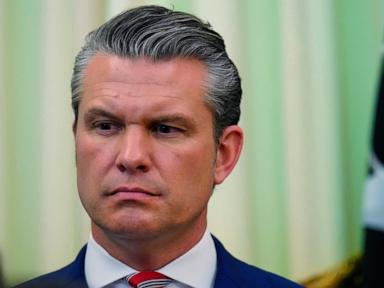
Pete Hegseth isn't getting a pass from the Senate. Just when it looked like the nomination for Secretary of Defense might find a steady rhythm, new questions about Iran and past military leadership have sparked a second wave of scrutiny. It’s a messy situation. Congress wants answers on how a Fox News host turned Pentagon pick would handle a hot war in the Middle East, especially given his history of aggressive rhetoric regarding Tehran.
The stakes are massive. We aren't talking about a standard bureaucratic shuffle. This is about the person who oversees the most powerful military on the planet. Critics aren't just looking at his resume; they’re digging into his ideological stance on preemptive strikes and his views on how the military should be "purged" of certain leaders. If you think this is just partisan bickering, you’re missing the bigger picture of how defense policy might shift overnight.
The Iran Problem and the Risk of Escalation
Lawmakers are fixated on Hegseth’s past comments about Iran’s nuclear program. In various media appearances over the last few years, he hasn't exactly been a diplomat. He’s suggested that the United States shouldn't rule out striking Iranian cultural sites or taking direct military action to stop their nuclear ambitions.
This matters because the Secretary of Defense is the primary advisor to the President on the use of force. Senators are asking a simple but heavy question: Does Hegseth understand the difference between being a television commentator and being the civilian head of the military? It’s easy to talk tough on a 6:00 PM broadcast. It’s much harder when you’re in the Situation Room weighing the lives of thousands of service members.
There's a real fear of a "guns blazing" approach. Hegseth has often criticized the "containment" strategies used by previous administrations. He views them as weak. During recent closed-door meetings and public hearings, he’s had to walk a fine line between his previous persona and the sober-minded strategist the Senate expects. The tension is palpable. Some Republicans are sticking by him, but even a few hawks are quietly worried about his lack of traditional experience in managing a theater as complex as the Middle East.
Redefining the Military Leadership
Beyond Iran, the questioning has turned toward Hegseth’s views on the internal structure of the Pentagon. He’s been vocal about his disdain for "woke" policies in the ranks. He’s literally written the book on it. But Congress is worried about what that means for the Joint Chiefs of Staff.
There are reports that Hegseth might support a board to review high-ranking generals. That’s a move that would fundamentally change the apolitical nature of the American military. If generals feel they have to pass an ideological litmus test to keep their stars, the whole system breaks. Senators are pushing him to clarify if he intends to fire the Chairman of the Joint Chiefs or other top leaders simply because they don't align with his specific worldview.
This isn't just about HR. It’s about readiness. If you gut the top brass during a period of global instability, you risk a massive loss of institutional knowledge. The military doesn't function like a corporate startup. You can't just "move fast and break things" when those things are nuclear-armed carrier groups and global logistics chains. Hegseth’s answers so far have been defiant but vague, which only fuels the fire.
The Combat Veteran vs The Political Appointee
Hegseth’s supporters point to his service in Iraq and Afghanistan. They say he understands the grunt’s perspective better than any Ivy League policy wonk. That’s a fair point. He’s seen the results of bad policy on the ground. He knows what it’s like to carry a pack in 110-degree heat.
But the job of Defense Secretary is 90% management and 10% ideology. You're running the world’s largest employer. You’re dealing with a budget that nears a trillion dollars. The questioning from Congress has highlighted a glaring gap in his experience: he hasn't run a large organization. Ever. Critics are asking how someone who hasn't managed a department of more than a few dozen people can suddenly lead millions. It's a valid concern that goes beyond politics.
Transparency and Past Allegations
Then there’s the personal baggage. Any high-level nominee gets poked and prodded, but Hegseth has a few specific areas that keep coming up. There are questions about his past conduct and certain financial dealings related to his non-profit work.
While some of this feels like the usual DC mud-slinging, it adds to the "vibe" of instability surrounding his nomination. The Senate Armed Services Committee doesn't like surprises. Every time a new report drops about a past incident or a controversial statement, his path to confirmation gets narrower. He’s had to spend more time defending his character than explaining his vision for the future of warfare.
What This Means for Global Allies
Our allies are watching this play out with a mix of confusion and dread. European and Asian partners rely on a predictable Pentagon. They need to know that the U.S. will honor its treaty obligations and maintain a steady hand. Hegseth’s "America First" rhetoric, while popular with the base, sends shivers down the spines of NATO officials.
If he’s confirmed, will he pull troops out of Germany? Will he rethink our commitment to South Korea? Congress is trying to get him on the record about these specific alliances. He’s stayed mostly on script, saying he supports strong alliances but wants everyone to pay their fair share. It’s a standard line, but the way he says it suggests he might be willing to walk away from the table if he doesn't get what he wants.
The Senate Math Problem
Confirming a cabinet member is a numbers game. Right now, the math is tight. A few key moderate Republicans hold all the power. If Hegseth can't convince them that he’s a serious person who won't accidentally start World War III, he’s toast.
The questioning is relentless because the stakes are so high. This isn't about whether someone likes his TV show. It’s about whether they trust him with the codes. It’s about whether they think he can stand up to a President who might want to do something reckless, or if he’ll just be a "yes man" who facilitates it.
Why the Iran Focus is Growing
The reason Iran keeps coming up is that the region is currently a powderkeg. With proxy wars and direct exchanges of fire becoming the new normal, the U.S. needs a Defense Secretary who can de-escalate as well as they can fight. Hegseth’s "maximum pressure" stance is a gamble.
If he pushes too hard, he might trigger the very war he says he wants to prevent. If he’s too soft, he loses credibility with his own party. Congress is trying to find out if he even has a middle gear. So far, he’s mostly shown the high-octane version of himself.
Moving Toward a Vote
The next few days will be decisive. Hegseth has to do more than just survive the hearings; he has to build confidence. That means providing specific, detailed answers on nuclear posture, regional stability, and military procurement. No more soundbites. No more "owning the libs."
He needs to show he’s done the homework. If he can’t explain the nuance of the Strait of Hormuz or the complexities of the F-35 supply chain, he won't get the votes. The military is a machine that requires a mechanic, not just a cheerleader.
Watch the Senate Armed Services Committee closely. Their internal memos and public statements will tell you everything you need to know. If you see more Republicans starting to use phrases like "concerns about experience" or "need for further clarification," the nomination is in real trouble.
Keep an eye on the official hearing transcripts and the voting schedule. This isn't over yet. The pressure is on Hegseth to prove he’s more than just a famous face with a veteran’s pedigree. He has to prove he can lead. If you want to understand where the U.S. military is headed, you have to watch how he handles these final rounds of questioning. It's the ultimate job interview, and the world is the audience.