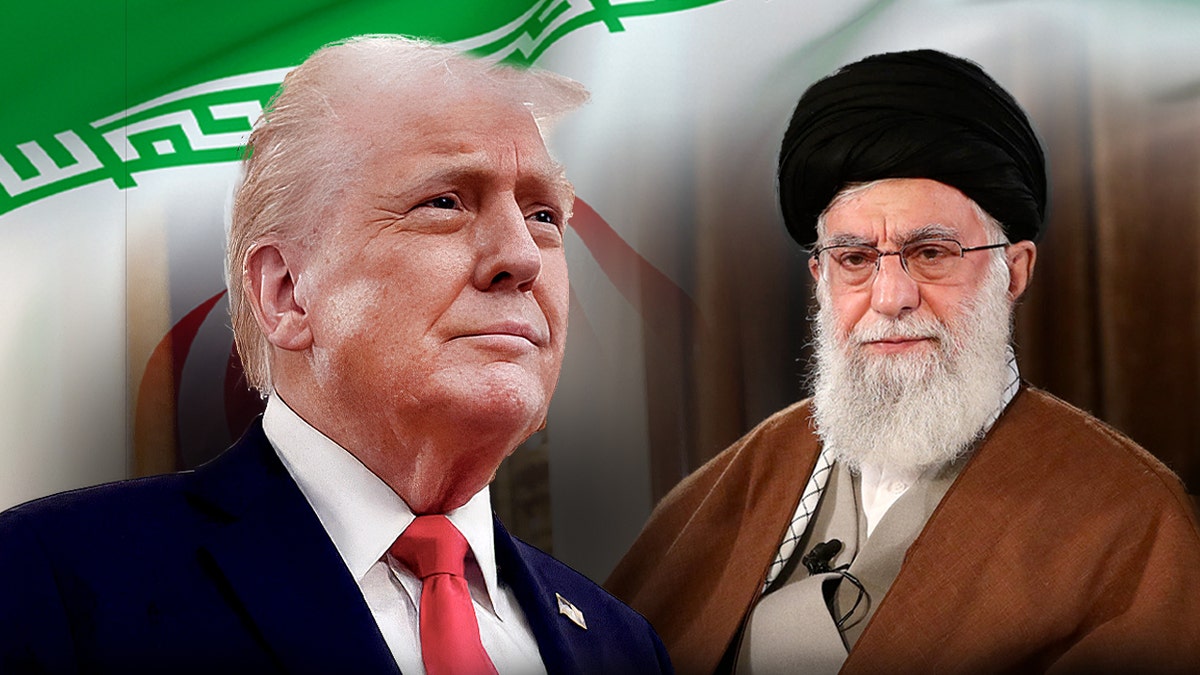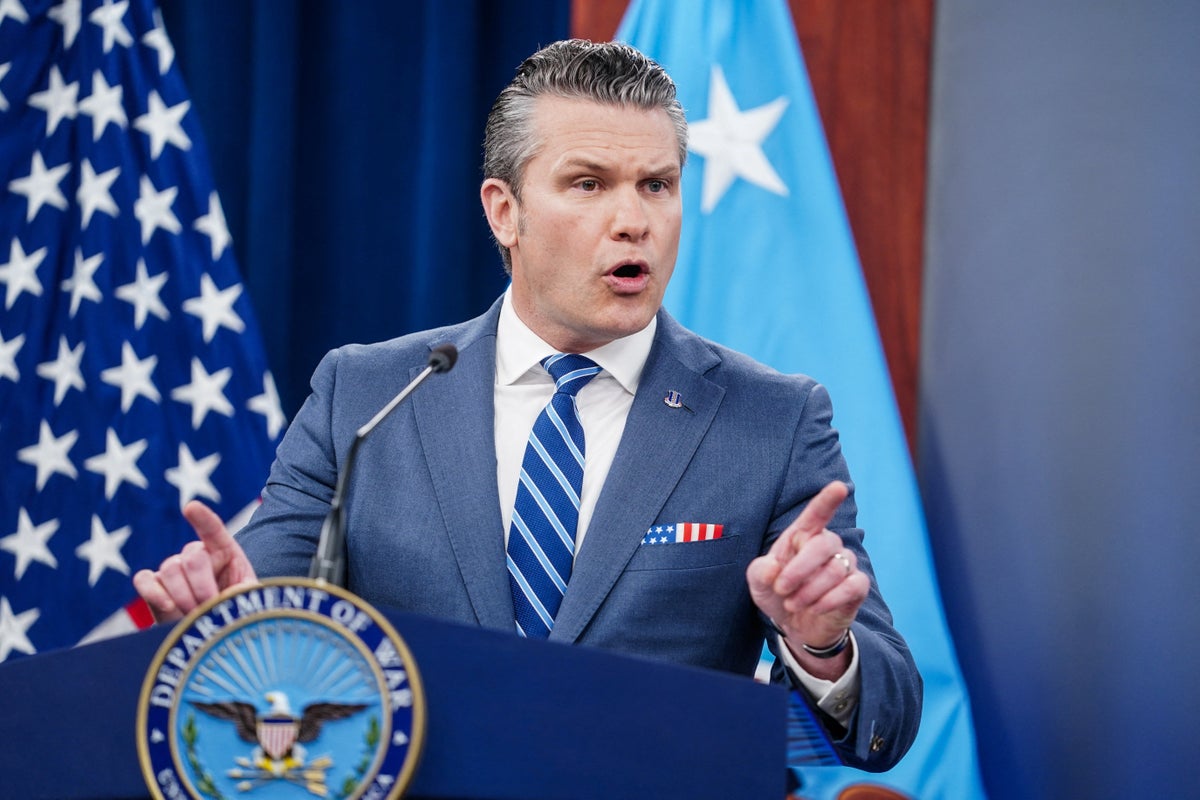
Pete Hegseth did not just brief the press on the escalating tensions with Iran. He put them on trial. In a sharp departure from the dry, tactical briefings typically associated with the Pentagon, the Secretary of Defense utilized the podium to launch a stinging theological and cultural critique of the Washington press corps. By labeling reporters as Pharisees, Hegseth signaled a new era of military communications where the line between national security and religious warfare has effectively vanished. This was not a discussion about troop movements or ballistic trajectories; it was a lecture on spiritual blindness and the perceived elitism of the American media.
The briefing followed a week of intense scrutiny regarding Donald Trump’s rhetoric, specifically his frequent use of messianic imagery and his team’s willingness to frame his political survival in religious terms. When questioned about the strategic risks of a hot war with Tehran, Hegseth pivoted away from the map and toward the Bible. He accused the assembled journalists of being more concerned with "the law of their own narratives" than the "soul of the nation." This shift matters because it changes the language of engagement from policy to identity.
The Theology of Modern Warfare
Hegseth’s use of the term "Pharisees" was a calculated strike. In a biblical context, the Pharisees were religious leaders often criticized for their rigid adherence to the letter of the law while ignoring its spirit. By applying this label to the media, Hegseth is suggesting that reporters are obsessed with the technicalities of international law and diplomatic norms while ignoring what he considers the higher moral imperative of American strength.
This isn't just spicy rhetoric. It is a fundamental restructuring of how the Department of Defense communicates its objectives. For decades, the Pentagon prided itself on being the "adult in the room," sticking to data-driven assessments. Hegseth has thrown that playbook into the fire. He is operating on the premise that the public no longer trusts the experts, so he is appealing to a sense of divine right and moral clarity that bypasses the need for traditional evidence.
War as a Cultural Litmus Test
The Iranian threat serves as the perfect backdrop for this strategy. Iran is not just a regional adversary in this framework; it is a spiritual one. Hegseth’s "fire-and-brimstone" delivery suggests that the administration views the conflict not through the lens of geopolitics, but through the lens of a broader civilizational struggle.
When a journalist asked about the potential for civilian casualties in an expanded conflict, Hegseth’s response was dismissive of the query's premise. He framed the concern as a sign of weakness, a preoccupation with the "rules of the temple" that prevents the country from achieving victory. This creates a dangerous precedent where questioning the human cost of war is equated with religious or moral failure.
The Trump as Jesus Paradox
The tension in the room was fueled by the ongoing controversy surrounding Donald Trump’s public image. Supporters have increasingly circulated imagery depicting Trump in a light traditionally reserved for religious figures. When reporters attempted to bridge the gap between this imagery and Hegseth’s own hardline stance on Iran, the Secretary went on the offensive.
He didn't defend the imagery directly. Instead, he attacked the media for their "outrage cycle." Hegseth argued that the media’s focus on Trump’s religious branding is a distraction from the existential threat posed by the regime in Tehran. However, by using the language of a preacher, he only deepened the connection between the administration's political identity and its military posture.
Breaking the Intelligence Community
There is a practical, darker side to this rhetorical shift. Intelligence analysts rely on objectivity. They need to be able to say, "The data suggests X," without fearing that X will be viewed as a lack of faith. Hegseth’s performance at the podium sends a clear message to the rank and file at the DIA and the CIA: your findings are secondary to the moral mission.
If the Secretary of Defense views dissent as a form of spiritual betrayal, the flow of honest information within the Pentagon is likely to dry up. We have seen this before in various administrations, where intelligence is "cherry-picked" to fit a policy. But we have never seen it filtered through a lens of biblical condemnation.
The Strategic Cost of Moral Certainty
Wars are won on logistics, intelligence, and clear-eyed strategy. They are rarely won on moral certainty alone. By alienating the press and, by extension, the portion of the public that relies on traditional news, Hegseth is narrowing the administration's base of support for a potential conflict.
He is betting that the "forgotten man" shares his disdain for the "Pharisees" in the front row. This is a gamble that assumes the American public wants a crusader at the helm of the military rather than a strategist. If a conflict with Iran breaks out, the lack of a shared factual reality between the Pentagon and the public will lead to immediate and potentially violent domestic polarization.
Tactical Implications of a Religious Defense
- Diplomatic Isolation: Traditional allies in Europe and Asia are generally uncomfortable with religious rhetoric in military briefings. This language makes it harder to build international coalitions.
- Operational Secrecy: Hegseth’s disdain for the press suggests a future where even basic information about military operations will be withheld under the guise of protecting the "mission" from "bad faith actors."
- Recruitment and Retention: The military is a diverse organization. Framing its purpose in specific religious terms risks alienating service members who do not share that particular worldview.
Behind the Briefing Room Curtain
The atmosphere during the briefing was described by several veterans of the beat as "unprecedented." Usually, there is a level of professional respect between the spokesperson and the press. Hegseth replaced that respect with a sneer. He didn't just disagree with the questions; he questioned the right of the journalists to ask them.
By focusing on the "Pharisees" in the room, Hegseth effectively dodged questions about the specifics of the Iran strategy. He never addressed the recent movements of carrier strike groups or the reliability of the latest satellite imagery. He talked about the soul. He talked about the fire. He talked about the judgment.
The New Rules of Engagement
Reporters now face a choice. Do they continue to ask technical questions about ROE (Rules of Engagement) and budget allocations, or do they lean into the cultural war Hegseth has started? If they choose the latter, the Pentagon briefing room becomes just another stage for political theater, and the American taxpayer loses their window into how their defense dollars are being used.
The danger of this approach is that it leaves no room for error. If you frame your military strategy as a divine mission, how do you admit to a tactical mistake? How do you negotiate a peace treaty with a "demonic" enemy? Hegseth has painted the administration into a corner where the only options are total victory or a betrayal of the mission's core "sanctity."
The End of the Neutral Pentagon
The Pentagon has long been considered the last bastion of non-partisanship in the executive branch. That era is over. Pete Hegseth's briefing was a formal declaration that the military is now an arm of the cultural revolution.
When the Secretary of Defense looks at a room full of reporters and sees only enemies of the faith, the prospect of a measured, rational approach to the Middle East becomes a distant hope. The focus has shifted from containing Iran to purging the "unbelievers" at home. This isn't a briefing anymore. It's an opening salvo in a war that is being fought on two fronts: one in the Persian Gulf and one in the hearts of the American people.
The irony of Hegseth calling anyone a Pharisee is that he is the one enforcing a new, rigid orthodoxy within the halls of the Pentagon. He is demanding a level of blind devotion to the administration's narrative that would make any ancient high priest proud. As the rhetoric continues to heat up, the actual strategy remains buried under a mountain of moral grandstanding, leaving the country to wonder if anyone is actually looking at the map.
The military-industrial complex has met the evangelical-political complex, and the result is a brand of national security that is more interested in the afterlife of a narrative than the reality of the battlefield.