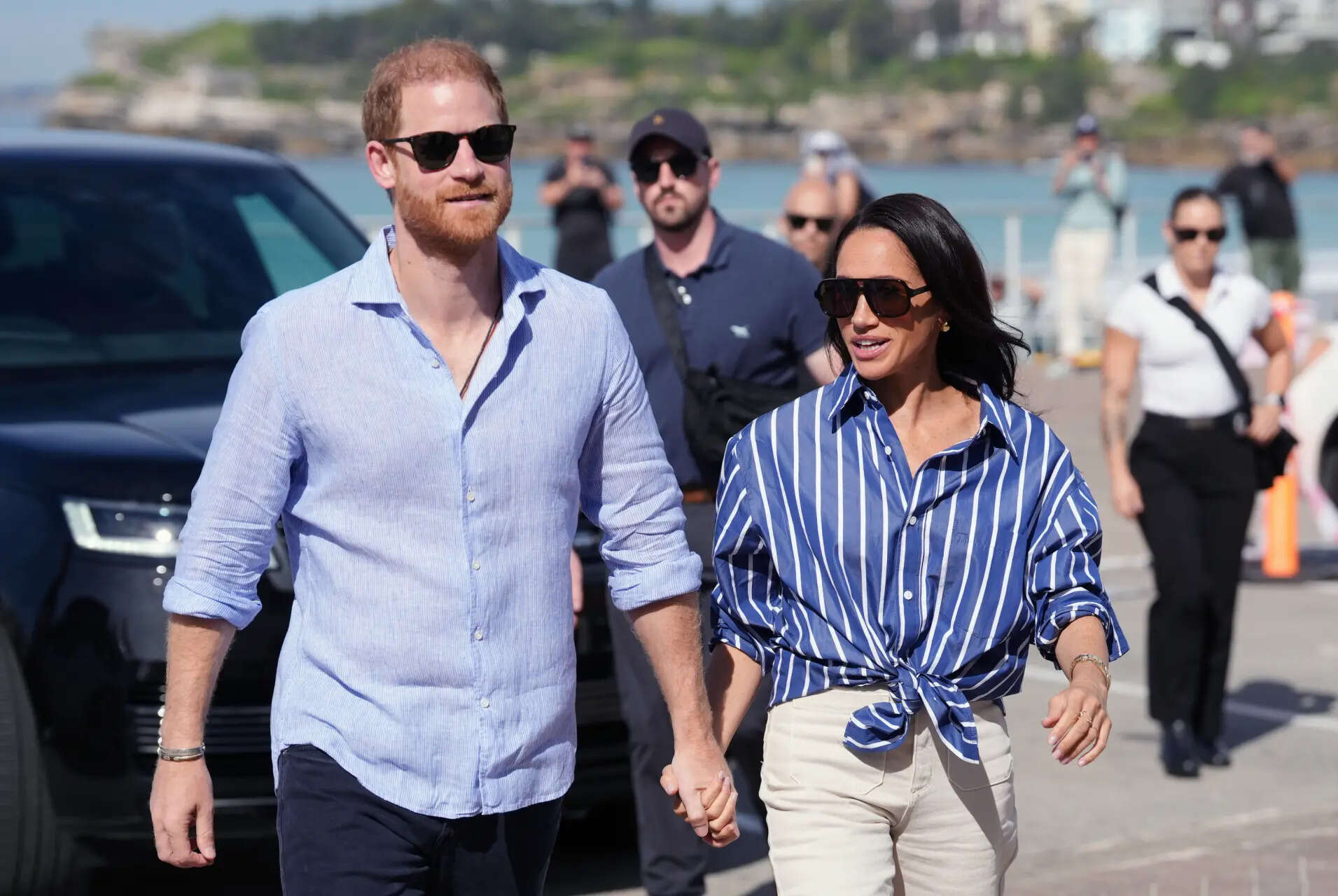
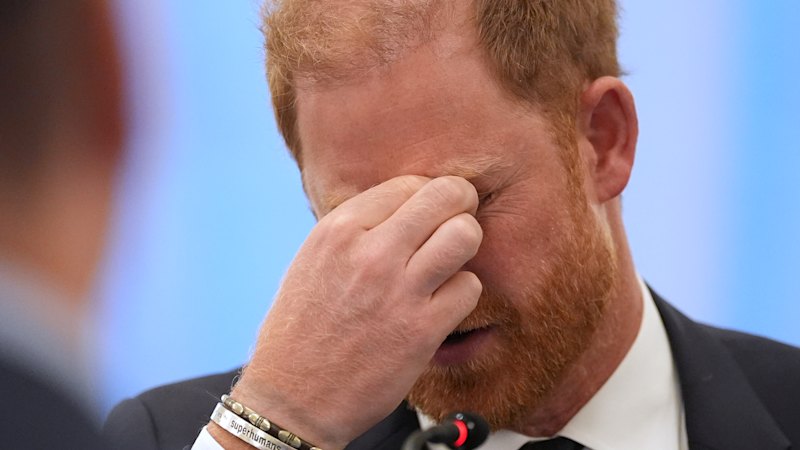
Prince Harry and Meghan Markle are headed back to Australia in 2026, but don't expect the sweaty, crowded handshakes of years past. The Duke and Duchess of Sussex have reportedly finalized their tour itinerary, and the most striking change is the total absence of traditional public walkabouts. If you were planning to wait hours behind a metal barricade in Sydney or Melbourne just to hand over a bouquet of proteas, you’ll likely be disappointed.
This isn't just a scheduling fluke. It’s a calculated shift in how the couple manages their public image and their safety. While their 2018 tour of the South Pacific was defined by record-breaking crowds and a heavy dose of royal fever, the 2026 return feels more like a targeted corporate mission than a populist parade. They’re choosing controlled environments over the unpredictable energy of a street crowd.
The security reality for the Sussexes in 2026
Security remains the primary driver behind this decision. Harry’s long-standing legal battles regarding his protection aren't just for show. When you're a high-profile figure with a polarizing public profile, a crowded street is a nightmare. Walkabouts are inherently chaotic. You’ve got hundreds of people, uncontrolled variables, and limited exit routes.
In the past, the "firm" handled the logistics with a massive taxpayer-funded apparatus. Now, the Sussexes operate on a different model. They rely on private security teams that prefer "sterile" environments—places where every person entering has been vetted or at least passed through a metal detector. A public park in Canberra doesn't offer that. By ditching the walkabouts, they eliminate the biggest risk factor on their itinerary. It’s a pragmatic move, even if it feels a bit cold to the fans who have defended them for years.
Swapping handshakes for high-impact summits
The new tour structure favors substance over optics. Instead of five-second interactions with thousands of people, the couple is focusing on small-group sessions and keynote appearances. Expect to see them at tech hubs, mental health retreats, and environmental summits. This is about brand building. They want to be seen as global thought leaders, not just former working royals who look good in a photo op.
I’ve seen this transition happen with other high-level public figures. Once you stop being "property of the state," you get to choose who gets your time. Harry and Meghan are prioritizing the Invictus Games community and local non-profits that align with their Archewell Foundation goals. They’re looking for "measurable impact." A walkabout offers great photos, but it doesn't move the needle on a policy level or a charitable one.
The 2026 schedule includes several closed-door meetings with young Australian leaders. These sessions allow for deeper conversations that just aren't possible when you're moving down a line of screaming fans. It’s a shift from being celebrities to being advocates. Whether that resonates with the Australian public, which historically loves the "common touch," remains to be seen.
The decline of the royal walkabout tradition
Let’s be honest—the walkabout is an outdated relic. It was invented in the 1970s to make the monarchy feel less "stiff." But we live in an era of extreme polarization and instant social media backlash. For Harry and Meghan, the risk-to-reward ratio of a public walkabout has flipped. One heckler with a smartphone can ruin a whole week of positive press.
We saw flashes of this tension during recent royal tours in the Caribbean by other family members. Protests are more organized now. Digital movements translate into physical presence very quickly. By sticking to invited audiences and ticketed events, the Sussexes control the narrative. They aren't leaving the "vibe" of the tour up to whoever happens to show up at the Sydney Opera House steps.
Why Australia still matters for the Sussex brand
Australia holds a special place in the Sussex story. It was during their 2018 tour that Meghan’s pregnancy with Archie was announced. That trip was a massive success, proving they could handle the global stage with ease. Returning in 2026 is an attempt to reclaim that magic, albeit in a more mature and restricted way.
The Australian media landscape is notoriously tough. By limiting public access, the couple is also limiting the opportunities for "gotcha" moments from local tabloids. It’s a defensive play. They’re betting that the quality of their engagements will outweigh the quantity of their public appearances.
How to see the couple during the tour
If you’re a die-hard fan, your best bet isn't standing on a street corner. You’ll need to look at the specific charities and organizations they’re partnering with. Many of the 2026 events will have a digital component or a limited number of public tickets available through various foundations.
Keep an eye on the Invictus Games announcements. Since Australia has a strong connection to the games, much of Harry’s time will be spent with veterans and their families. These events are usually high-security but offer the most authentic glimpse of the Duke in his element.
The 2026 tour represents the "new normal" for Harry and Meghan. It’s polished, protected, and professional. They aren't trying to be the "People’s Prince and Princess" in the traditional sense anymore. They’re building a new kind of platform, one that doesn't require them to shake ten thousand hands to prove their worth. If you want to follow along, do it through a screen—it’s exactly how they’ve designed it. Look for the official press releases from Archewell for the specific venue dates as the tour approaches. This is the era of the curated tour. Get used to it.