Can a man blacklisted by Beijing, who spends his days teaching ordinary citizens how to survive an invasion, actually run Taiwan’s capital city?
We are about to find out.
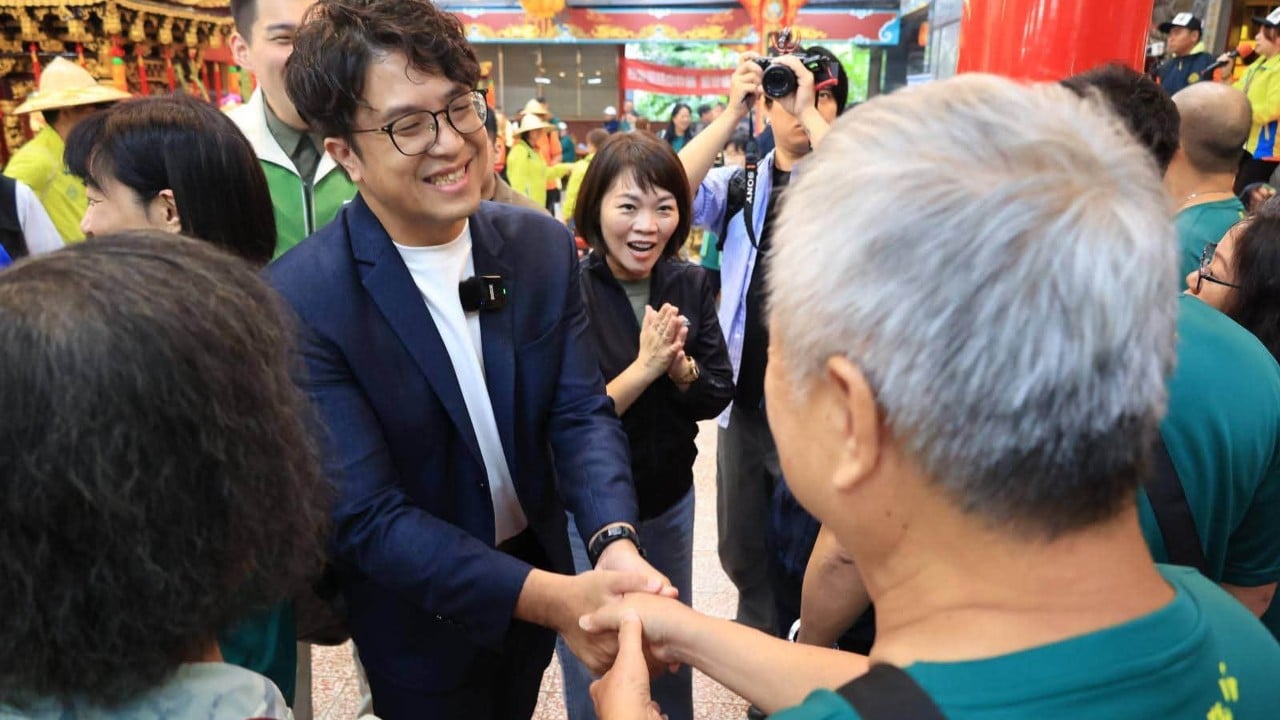
The ruling Democratic Progressive Party (DPP) just threw a massive wrench into the November local elections. They nominated rookie lawmaker Puma Shen to run for Taipei mayor. It is a bold, borderline reckless gamble by President Lai Ching-te. Shen isn't your typical glad-handing politician. He is a criminologist, a civil defense pioneer, and China's public enemy number one on the island. By putting him on the ballot, the DPP is turning a local race about bus routes and urban renewal into a high-stakes referendum on national security.
The Criminologist Who Became China’s Top Target
Honestly, most people outside Taiwan have no idea who Puma Shen is, or they just know him as the guy who co-founded the Kuma Academy. That is the organization training thousands of regular Taiwanese citizens in first aid, urban survival, and how to spot Chinese disinformation.
Beijing hates it. In 2024, China slapped heavy sanctions on Shen and his academy, accusing him of blatant "separatism."
Here is what most people get wrong about those sanctions. They don't actually hurt him. Shen cannot travel to China or Hong Kong, but he had zero intention of doing that anyway. China's legal system holds no power in Taipei. Instead, the blacklist backfired. It turned a relative political newcomer into a living symbol of democratic resistance.
President Lai Ching-te leaned heavily into this when introducing Shen's candidacy. Lai called him a first-rate talent who understands that the greatest threat to Taiwan’s human rights still comes from across the strait. Shen holds a doctorate in criminology and law from the University of California, Irvine. He is fluent in English, deeply connected with foreign diplomats, and spends his time analyzing how China uses cognitive warfare to manipulate Taiwanese voters.
But analyzing digital propaganda is very different from managing a city budget.
Why Taipei Is a Nightmare Submarket for the DPP
Let's look at the cold, hard numbers. The DPP almost never wins Taipei.
Since Taiwan transitioned to a democracy, the ruling party has only captured the Taipei mayorship once. That was Chen Shui-bian back in 1994, and he only won because the opposition vote split cleanly down the middle. Taipei is historically "blue" territory, meaning it leans heavily toward the opposition Kuomintang (KMT), a party that favors vastly closer ties with Beijing.
Right now, the incumbent mayor is Chiang Wan-an. He is young, charismatic, and the great-grandson of former nationalist dictator Chiang Kai-shek. Chiang represents the old guard aristocracy of Taiwanese politics. He speaks flawless English, looks the part, and current opinion polls heavily favor his re-election.
Shen is facing a massive uphill battle for a few specific reasons:
- The Demographic Divide: Taipei has an aging population. While progressive young voters love Shen’s anti-China, pro-civil defense rhetoric, older voters see him as a dangerous provocateur. To them, his background is a liability that could invite a blockade or war.
- The Hypocrisy Trap: Expect the KMT to play dirty. Political analysts point out that Shen’s father previously did business in China. The opposition is already licking their chops to paint the DPP as hypocrites who talk tough on Beijing while family members profit from mainland markets.
- The Lack of Ground Game: Shen is a proportional representation lawmaker. He got his seat through a party list, meaning he has never actually fought a grueling, district-level campaign. He does not have the local neighborhood networks that traditional politicians spend decades building.
What Is Really at Stake in November
If this race is such a long shot, why did the DPP nominate him? Because this election isn't just about Taipei. It is a vital dress rehearsal for the 2028 presidential election.
Local elections in Taiwan are a critical gauge of party health. In the 2022 local elections, the DPP suffered a humiliating defeat, winning only five cities and counties compared to the KMT's 14. If the DPP wants to maintain its grip on the presidency in two years, it needs to show it can fight in hostile territory.
Win or lose, Shen's campaign will test whether national security rhetoric can win local races. Usually, voters care about affordable housing, childcare subsidies, and whether the MRT trains run on time. Shen is forcing them to consider whether their mayor can handle a geopolitical crisis.
If Shen manages to keep the vote close—or miraculously wins—it proves that the Taiwanese public is completely desensitized to Beijing's threats and actively embraces a more confrontational, defensive posture. If he gets wiped out, it signals that voters want a return to more pragmatic, less volatile local governance.
Your Next Steps for Tracking the Race
Don't let the mainstream media fool you into thinking this is just a minor regional election. If you want to understand where Taiwan is heading, you need to watch this race closely over the summer.
Start by tracking the local polling data coming out of Taipei specifically focusing on the independent voters. Watch how Shen bridges the gap between his national security expertise and local municipal policy. If he sticks purely to talking about Chinese disinformation, he loses. If he can pivot his civil defense ideas into practical city management—like earthquake readiness and infrastructure resilience—he might just shock everyone. Keep your eyes on Taiwan's independent media outlets like New Bloom Magazine and local polling aggregates to see if the gap between Shen and Chiang begins to close before the autumn heat sets in.