Mass panic is a choice, and the media just hit the buy button.
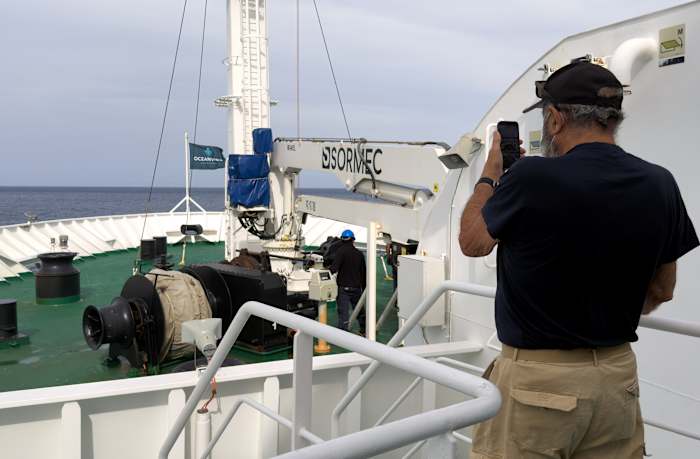
The reports are everywhere: American passengers from a Hantavirus-hit cruise ship are being hauled off to a specialized facility in Nebraska for "quarantine." The headlines read like the script of a mid-budget contagion flick. They want you to believe that shifting people from a floating metal box to a land-bound brick box is the height of biosecurity.
It isn't. It’s expensive, bureaucratic performance art.
If we actually cared about public health, we’d stop obsessing over where these passengers sleep and start looking at the fundamental mechanics of how we treat viral threats. The Nebraska National Quarantine Center is a world-class facility, sure. But using it for Hantavirus is like using a bazooka to kill a housefly—it’s a massive over-correction that ignores the biology of the pathogen to satisfy a hungry 24-hour news cycle.
The Hantavirus Myth: It Isn't What You Think
Most people hear "quarantine" and think of the Black Death or a cinematic airborne apocalypse. The "lazy consensus" among journalists right now is that these passengers represent a ticking time bomb for the American public.
Let's look at the actual science, which the breathless reporting conveniently ignores.
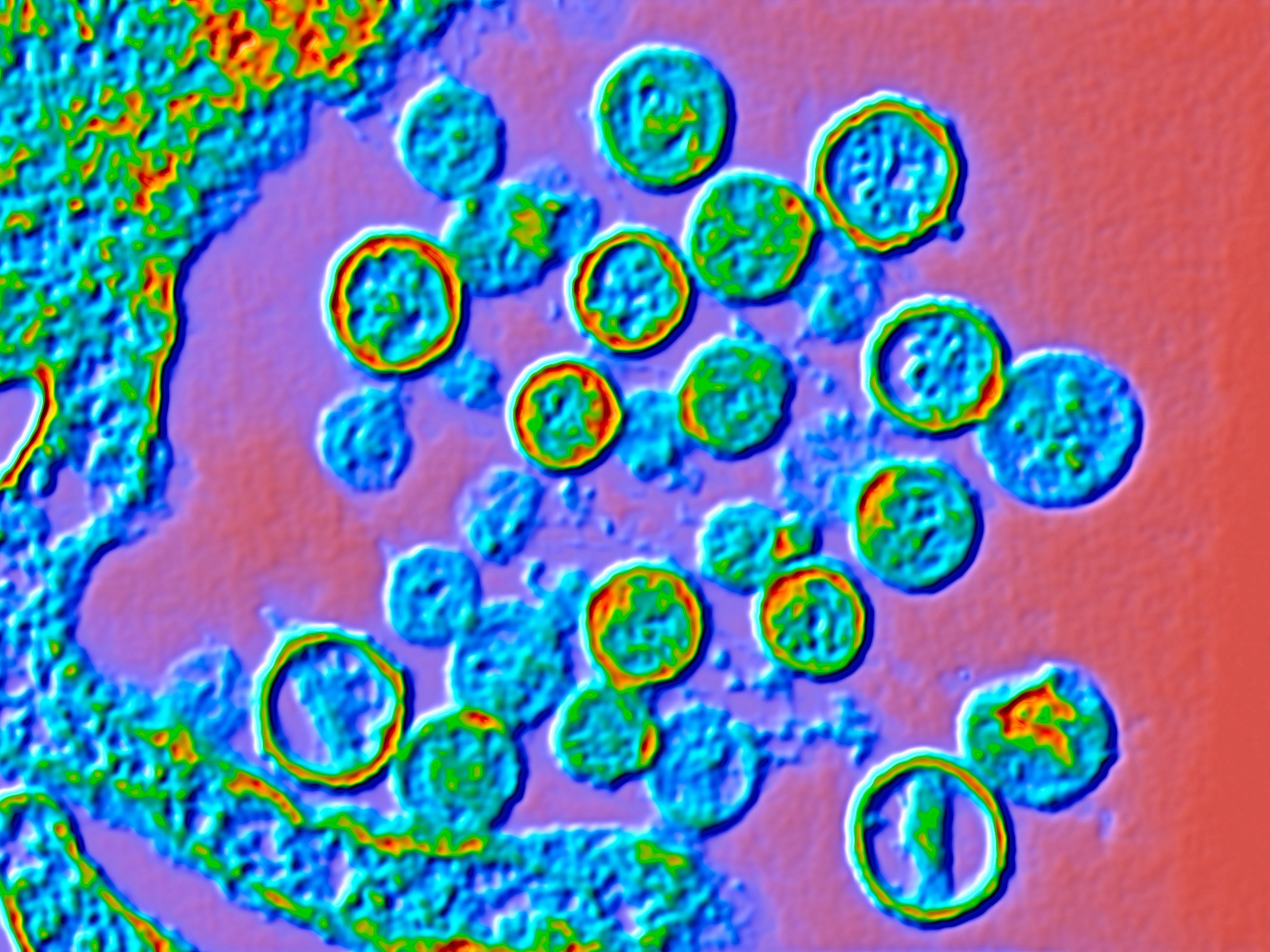
The Hantaviruses found in the Americas—specifically the ones that cause Hantavirus Pulmonary Syndrome (HPS)—are not known to transmit from human to human. Read that again. Outside of one very specific and rare strain in South America (the Andes virus), you cannot catch Hantavirus from the guy sitting next to you on a plane, even if he’s hacking his lungs out.
Hantavirus is a zoonotic disease. You get it from breathing in aerosolized droppings, urine, or saliva of infected rodents. Unless these passengers are traveling with a suitcase full of infected deer mice, the risk to the residents of Omaha is effectively zero.
So why the high-stakes escort to a bio-containment unit?
Because "Government Monitors Passengers for Flu-Like Symptoms at Home" doesn't sell ads. "Bio-Containment Unit Activated" does. We are witnessing the weaponization of precaution.
The High Cost of Bio-Containment Branding
I have spent years watching institutions prioritize the appearance of safety over the reality of it. When a city or a federal agency activates a site like Nebraska, they aren't just protecting people; they are protecting their budgets and their reputations.
If they don't use the facility, the funding dries up. If they don't show "decisive action," they get pilloried by the same media outlets now stoking the flames.
The Nebraska facility costs millions to maintain. Every time we spin up these gears for a non-communicable threat, we burn through resources, staff energy, and public trust. When the actual airborne threat arrives—something that actually moves human-to-human with high lethality—the public will be too exhausted by "quarantine fatigue" to listen.
The Cruise Ship Paradox: Floating Petri Dishes
The real villain in this story isn't the virus or the passengers; it’s the cruise industry’s archaic approach to hygiene and the public’s bizarre insistence on patronizing these floating epidemiological nightmares.
Cruise ships are designed for one thing: maximizing density. They are essentially closed-loop ecosystems where air is recirculated and thousands of people touch the same buffet tongs and elevator buttons.
If we wanted to actually solve the "cruise ship virus" problem, we wouldn't be talking about Nebraska. We would be talking about:
- Air Filtration Mandates: Forcing ships to use HEPA-grade filtration that actually scrubs the air rather than just moving it around.
- Rodent Vector Control: Most ships have a dirty little secret—they are riddled with pests. Hantavirus on a ship means a failure of basic pest management. That’s a corporate liability issue, not a national security threat.
- Point-of-Care Testing: Instead of waiting until a ship docks to panic, ships should have the diagnostic capability to identify a pathogen within hours.
Instead, the industry gets a pass while the taxpayer foots the bill for the Nebraska "quarantine." It’s a classic case of privatizing profits and socializing the risk.
Dismantling the "People Also Ask" Nonsense
The internet is currently flooded with panicked searches. Let’s address the most common ones with some much-needed bluntness.
"Can I get Hantavirus from a passenger at the airport?"
No. Unless you are planning on consuming the bodily fluids of a rodent they happen to be carrying, you are fine. Your biggest risk at the airport is still the $14 sandwich or the guy who doesn't understand how the security line works.
"Is Nebraska safe?"
Nebraska is perfectly safe. The facility is designed to hold pathogens far more terrifying than this. The real danger in Nebraska is the boredom of the people trapped inside it for two weeks for a disease they can't spread.
"Should we ban cruise ships?"
Economically? No. Sanely? Maybe. If you board a ship with 4,000 strangers during a period of shifting global climates and evolving zoonotic threats, you have accepted a certain level of biological "Wild West" reality. Don't act shocked when the ship gets diverted.
The Logic of the Lockdown
Imagine a scenario where we treated every case of the seasonal flu with this level of intensity. We would have to wall off entire zip codes. We would go bankrupt in a month.
The reason we don't is that we've normalized the flu. We haven't normalized Hantavirus, so it gets the "Ebola-lite" treatment. This inconsistency is the hallmark of a reactive, rather than proactive, health system.
By treating these passengers like biohazards, we are validating a culture of fear. We are telling the public that their neighbors are threats, even when the science says they aren't. This has long-term consequences. It erodes social cohesion and makes people hide their symptoms because they don't want to end up in a high-security bunker.
The "Safety" Industrial Complex
There is a whole sector of consultants and government contractors who thrive on this. They want more facilities, more "containment" protocols, and more high-profile activations.
I’ve seen how these meetings go. No one wants to be the person in the room who says, "Actually, guys, they can just go home and monitor their temperature." Why? Because if something goes wrong—even if it's unrelated—that person loses their job.
So, we default to the most expensive, most intrusive, and most visible option. It's the "Cover Your Tail" protocol, and it’s being executed perfectly in Nebraska right now.
The downside to my contrarian view? Yes, there is a 0.0001% chance of a mutation or an outlier case. But we don't build national policy around 0.0001% chances unless we're trying to sell something. In this case, we're selling the illusion of absolute control in a world that is inherently chaotic.
Stop Looking at Nebraska and Start Looking at the Source
The media coverage of the Nebraska quarantine is a distraction. While we watch footage of buses and guys in Tyvek suits, we aren't asking why a multi-billion dollar cruise line had a rodent infestation serious enough to cause a Hantavirus outbreak.
We aren't asking why international maritime health standards are so easily bypassed.
We aren't asking why we are using a Tier 1 bio-containment facility for a non-communicable disease.
The Nebraska quarantine isn't a victory for public health. It’s a monument to our inability to handle risk with any sense of proportion. It is a expensive, flashy band-aid on a gashing wound of systemic incompetence in the travel and tourism industry.
When these passengers are released in 14 days with nothing but a story to tell and a massive bill for the taxpayer, remember that this wasn't about medicine. It was about optics. It was about making sure the government looked like it was doing something, even if that "something" was scientifically redundant.
The next time a headline tells you to be afraid of a "quarantine-hit" ship, ask yourself who benefits from your fear. Usually, it's the people who built the cage.
The cruise ship is a petri dish, the quarantine is a stage, and we are the audience paying for the tickets. Stop clapping.