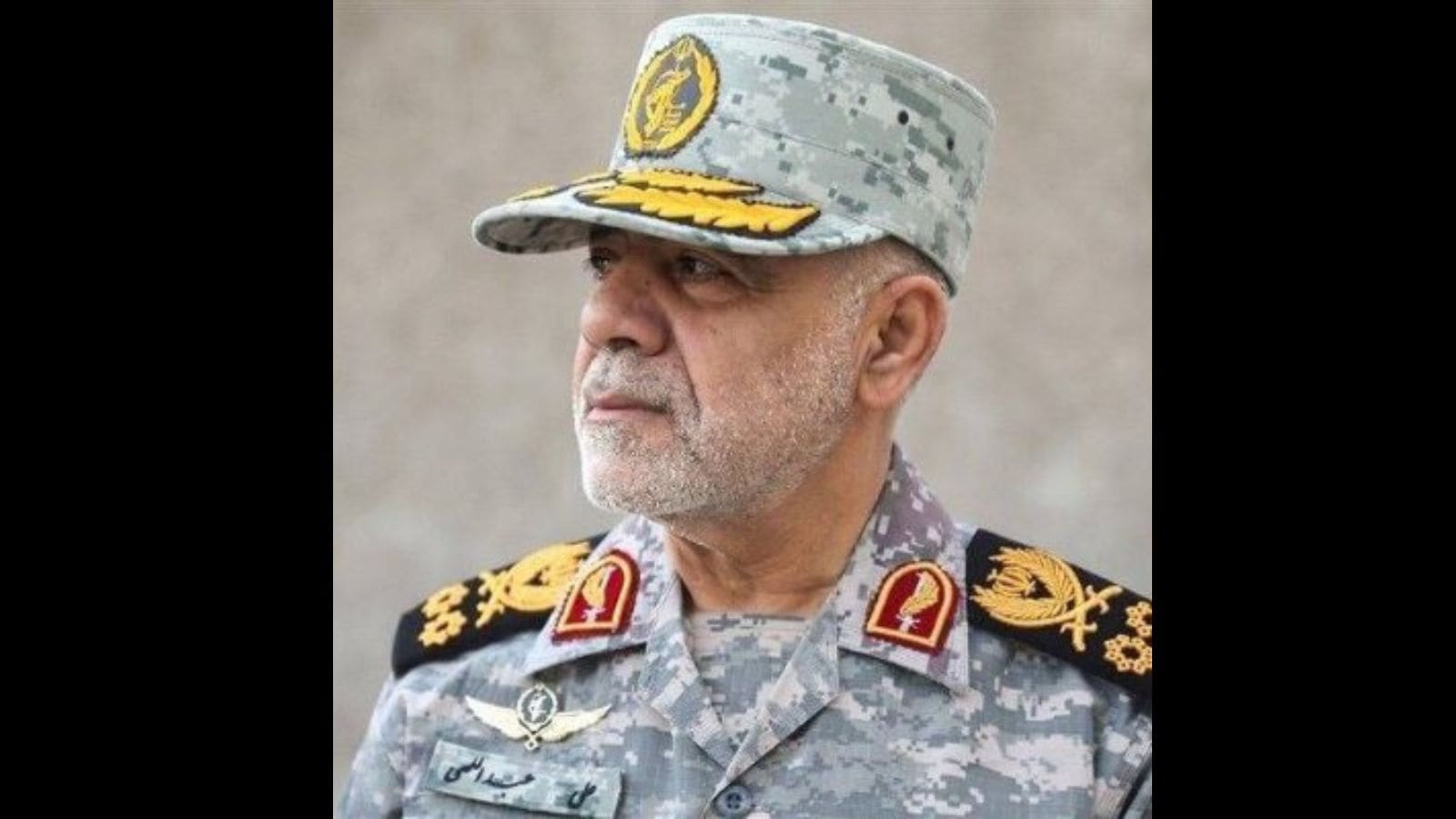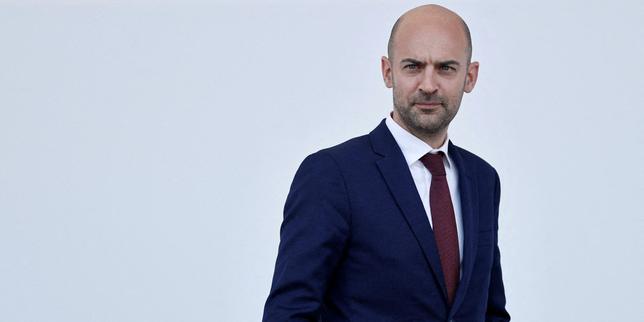
France recently ordered the expulsion of two Iranian diplomats in direct retaliation for the arbitrary detention of two French nationals in Tehran. Beneath the terse official communiqués lies a grim reality of modern statecraft. Hostage diplomacy has shifted from the fringes of international relations to a central pillar of geopolitical coercion.
For years, foreign policy analysts watched this pattern unfold with mounting alarm. Governments with isolated economies find leverage where they can manufacture it. When conventional diplomatic channels break down, human bodies become currency.
Paris had run out of patience. The tit-for-tat measure marks a rare public escalation between the Quai d'Orsay and the Iranian foreign ministry, breaking a long-standing tradition of quiet backroom crisis management. But expelling two mid-level embassy officials changes very little on the ground. It is a symbolic strike designed for domestic consumption and foreign signaling, leaving the core mechanics of state-sponsored detention entirely untouched.
The Architecture of Coercive Detention
To understand why diplomatic expulsions feel like throwing pebbles at a fortress, one must examine how Tehran weaponizes foreign visitors and dual nationals. The strategy relies on asymmetry. A Western democracy operates under the rule of law, bound by consular access treaties, public accountability, and domestic pressure from families of the detained. An authoritarian security apparatus operates under none of these constraints.
When French researchers, tourists, or humanitarian workers cross into Iranian territory, they enter a distinct legal vacuum. The Islamic Revolutionary Guard Corps views foreign passport holders not as individuals, but as strategic leverage points.
- Fabricated Espionage Charges: Standard operational procedure involves trumped-up national security allegations lacking substantive evidence.
- Prolonged Isolation: Detainees spend months in solitary confinement before facing any semblance of a judicial proceeding.
- The Bargaining Chip: Trials are deliberately delayed until a European government has something Tehran desperately needs, such as frozen assets, a convicted operative, or diplomatic normalization.
France is far from alone in facing this dynamic. Sweden, Belgium, and the United States have all wrestled with the bitter pill of prisoner swaps. Every time a Western capital trades a high-profile criminal for an innocent citizen, the market value of the next hostage climbs. The French foreign ministry understood this trap completely. Yet, domestic political gravity forced their hand. Families of the detained French citizens mounted relentless public campaigns, cornering officials on television and turning invisible diplomatic files into front-page scandals.
The Limits of Diplomatic Retaliation
Expelling accredited diplomats sounds decisive. Diplomats pack their bags, security details oversee their departure, and the foreign ministry issues a stern warning about Vienna Convention violations. Yet, seasoned observers know the practical impact is negligible.
Intelligence gathering has evolved past the traditional cocktail party circuit. Modern espionage relies on cyber operations, cutouts, and recruited agents who never step foot inside an embassy. Depriving the Iranian mission in Paris of two staffers disrupts minor bureaucratic functions, but it does little to blunt Tehran's overarching intelligence apparatus in Europe.
Furthermore, diplomatic expulsions trigger inevitable reciprocity. Iran will likely manufacture a pretext to expel French diplomats from Tehran, further blinding Paris on the ground.
"When you cut off a diplomatic limb to punish a hostile state, you are mostly just blinding yourself in the dark," remarked a retired European intelligence director who requested anonymity to speak candidly about ongoing security protocols. "You feel like you are doing something strong. In reality, you are just shrinking the room where a bad deal might eventually get negotiated."
The calculus of retaliation forces a brutal question. Does a government protect its institutional pride by cutting ties, or does it swallow its anger to keep lines of communication open for the desperate rescue of its citizens?
Breaking the Cycle
Changing the trajectory of hostage diplomacy requires a coordinated multilateral response that Europe has historically struggled to muster. Individual European capitals act out of immediate national self-interest, undercutting joint security frameworks. When France negotiates alone, Tehran senses weakness. When Europe acts as a unified bloc, the math shifts.
A credible deterrent demands economic and security costs that outweigh the tactical benefits of holding foreign hostages.
- Asset Freezing: Targeting the personal holdings and travel networks of the security officials directly tied to arbitrary detentions.
- Consular Downgrades: Collective withdrawal of ambassadors across the European Union, signaling a total diplomatic freeze rather than a localized slap on the wrist.
- Travel Bans: Universal restrictions on families of senior regime figures who study, vacation, or medical-treat in Western Europe.
Until Western nations abandon individual diplomacy in favor of collective punitive architecture, foreign nationals will remain vulnerable to institutionalized kidnapping. The two diplomats leaving Paris will be replaced by others. The holding cells in Tehran will remain occupied. The cycle persists because the cost of doing business remains too low for the architects of state-backed coercion.