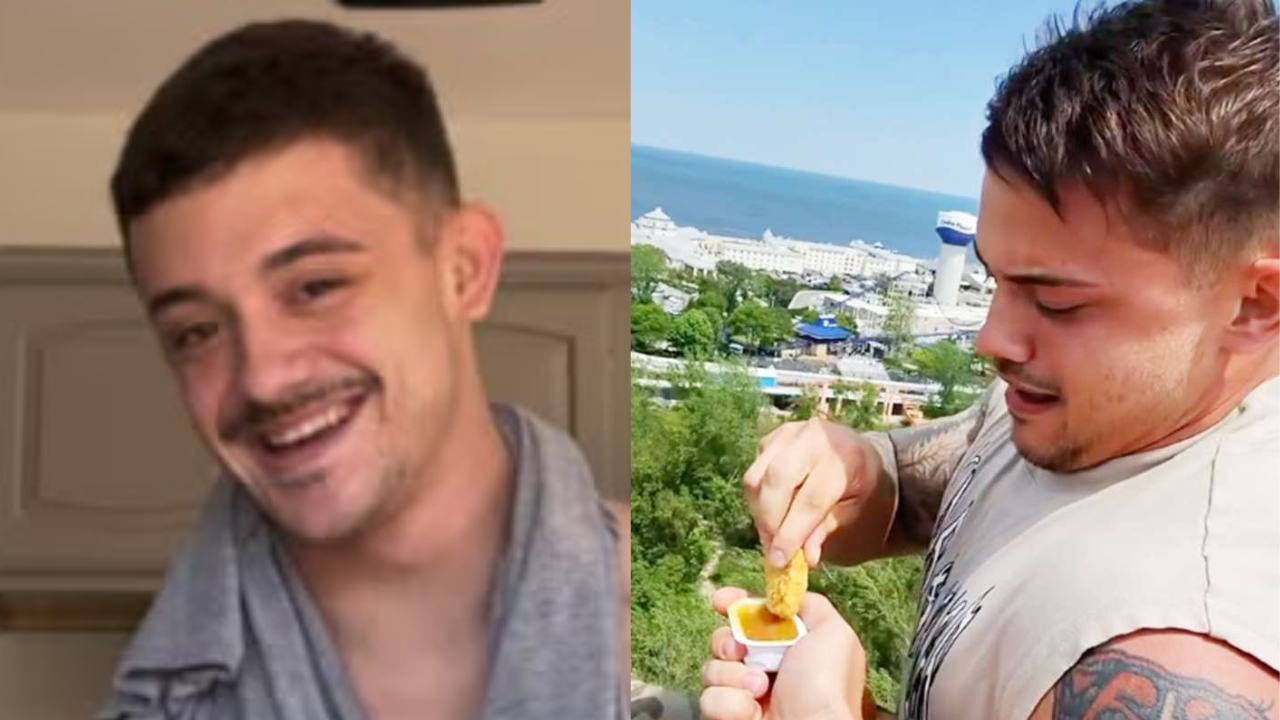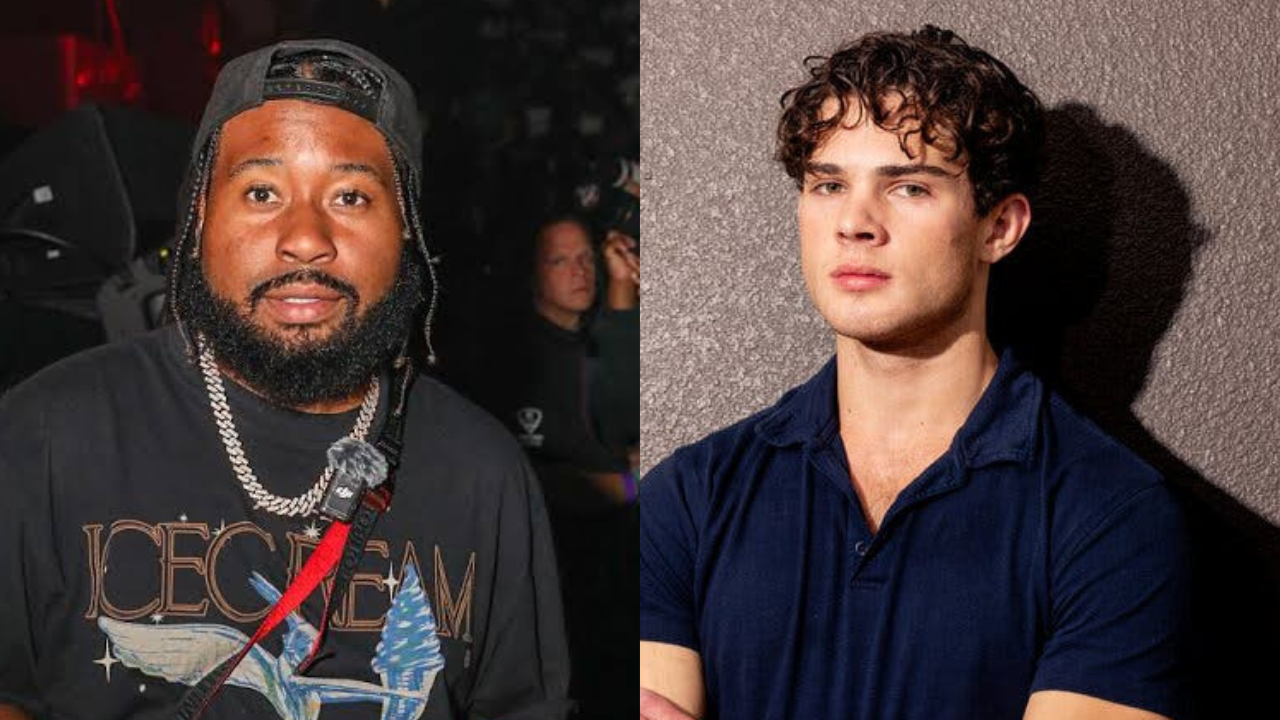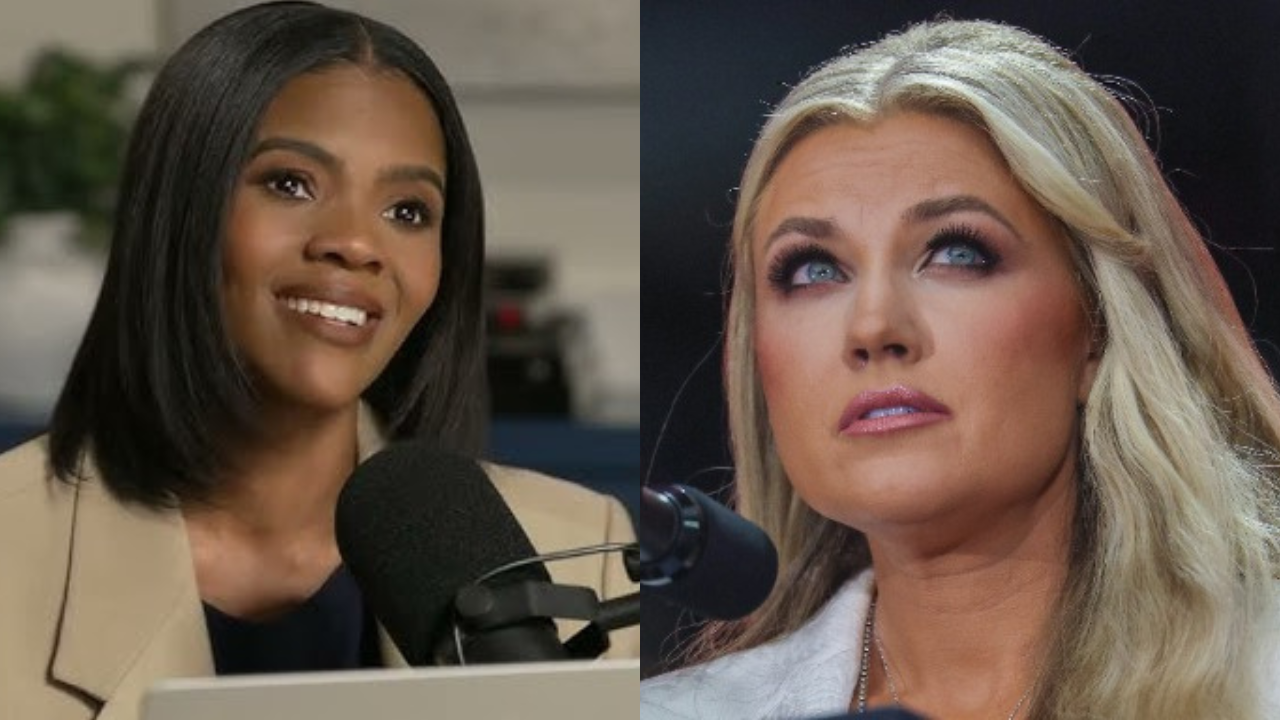
Joe Rogan is once again at the center of a digital firestorm, and this time, the catalyst is his commentary regarding Erika Kirk. If you've spent more than five minutes on social media lately, you know how these cycles go. A snippet of a three-hour podcast gets sliced into a thirty-second clip, uploaded to X, and becomes the gasoline for a thousand different "outrage" threads. But the story shifted when Candace Owens decided to jump into the fray.
Owens isn't just offering a polite nod of agreement. She's aggressively defending Rogan's right to speak his mind without the constant threat of deplatforming. This isn't just about one specific comment or one specific person. It’s about the increasingly thin ice that public figures walk on when they dare to stray from a very specific, very narrow social script.
When Owens backs Rogan, she’s doing more than just defending a fellow creator. She’s highlighting a massive divide in how we view speech in 2026. One side sees Rogan’s bluntness as a liability or even a "danger," while the other—led by figures like Owens—sees the backlash as a coordinated effort to sanitize the internet until it's nothing but corporate-approved platitudes.
Why the Erika Kirk Comments Sparked Such a Mess
To understand the defense, you have to look at the "offense." Rogan, known for a conversational style that mirrors a late-night bar chat rather than a polished news broadcast, made remarks about Erika Kirk that critics labeled as insensitive or reductive. Kirk, who has her own significant following, became the symbol of a larger argument about respect versus "telling it like it is."
The problem with modern discourse is that context dies the moment a "record" button is hit. Rogan often explores ideas in real-time. He thinks out loud. That’s why people love him. They feel like they’re in the room. But when that "thinking out loud" hits a nerve regarding a specific individual like Kirk, the internet's defensive mechanisms kick in immediately.
Critics argue that Rogan uses his massive platform to punch down. They claim his influence is so vast that his "opinions" carry the weight of facts for millions of listeners, which can lead to targeted harassment of people like Kirk. It’s a classic clash between the old-school "sticks and stones" philosophy and the modern "speech is violence" framework.
Candace Owens and the Free Speech Hill
Candace Owens doesn't care about being liked by the mainstream media. In fact, she seems to thrive on their disdain. Her defense of Rogan isn't based on whether his specific words about Kirk were "nice." She doesn't care if they were "polite." Her argument is rooted in the idea that if we start policing the tone of a podcast host, we've already lost the battle for a free society.
Owens pointed out that the outrage feels manufactured. She’s argued in the past that these "cancel" campaigns are rarely about protecting the person mentioned—in this case, Kirk—and are instead about testing the fences. How much can we restrict Rogan? Can we force him to apologize? If they can break the biggest podcaster in the world, they can break anyone.
Her stance is basically this: You don’t have to like what Joe says. You don't even have to like Joe. But the moment you demand he be silenced because he hurt someone's feelings or crossed a subjective line of "decency," you're inviting a censor into your own living room. It's a slippery slope that Owens has been shouting about for years.
The Massive Gap Between Online Outrage and Real Life
If you only read the headlines, you’d think Joe Rogan is the most hated man in America. If you look at the numbers, he’s the most successful. This is the paradox that drives his critics crazy. The more he gets attacked for his "problematic" takes, the more his audience grows.
People are tired of the polished, fake version of reality presented by traditional media. They want the mess. They want the unedited, sometimes offensive, usually confused, and always human conversation. Owens recognizes this. She knows that her audience and Rogan’s audience overlap in one key area: a deep-seated exhaustion with "tone policing."
- The Echo Chamber Effect: Critics talk to critics, convincing themselves everyone is outraged.
- The Silent Majority: Millions of listeners tune in, shrug at the "controversial" bits, and keep moving.
- The Power of the Platform: Spotify’s refusal to cave to previous pressure sets a precedent that makes these new outcries feel less effective.
What Happens When the Debate Becomes the Story
Notice how quickly the conversation shifted from "What did Joe say about Erika Kirk?" to "Should Joe be allowed to say things like that?" This is the pivot that happens every single time. The actual content of the remark becomes secondary to the debate over the right to make it.
Owens is a master of this pivot. By framing the Erika Kirk situation as a free speech issue, she moves the goalposts. It’s no longer a discussion about whether Rogan was rude. It’s a discussion about whether you support "freedom" or "censorship." It’s a brilliant rhetorical move because it forces people to take a side on a much larger, more emotional issue.
The "debate over free speech" isn't growing because people are suddenly interested in the First Amendment. It's growing because the digital town square has no clear rules. We’re trying to apply 18th-century concepts to 21st-century algorithms, and it's making everyone lose their minds.
Reality Check on the Consequences
Let’s be honest. Nothing is going to happen to Joe Rogan. He’s too big to fail in the current media ecosystem. He’s the "too big to fail" bank of the podcast world. And Candace Owens knows that her support only solidifies her own brand as a defender of the "cancelled."
But for the average person, this debate matters. If the standard for "acceptable speech" is set by the most sensitive person in the room, then everyone else has to start whispering. That’s the "chilling effect" Owens often references. She’s worried that if Rogan has to look over his shoulder, then the independent journalist or the small-time YouTuber has no chance.
The irony is that the more the "cancel" crowd pushes, the more they justify the existence of people like Owens and Rogan. They provide the very conflict that fuels the content. It’s a self-sustaining cycle of outrage and defense that shows no signs of slowing down.
Stop Falling for the Outrage Bait
It’s easy to get sucked into the "Who’s right?" game. But if you want to actually understand the power dynamics at play, you have to look at who benefits from the noise. Owens gets a boost in relevance. Rogan gets more downloads. The critics get their clicks. The only person who usually loses in these scenarios is the one at the center of the original comment—in this case, Erika Kirk—whose actual work or personality gets buried under the weight of the "free speech" war.
If you’re watching this play out, don't just react to the headlines. Look at the full context of the conversation. Ask yourself why a specific clip was shared at a specific time. Most importantly, realize that defending a person’s right to be wrong is not the same as saying they are right.
Stop expecting podcast hosts to be moral beacons or polished diplomats. They’re entertainers. Treat them as such. If you don't like what Rogan said about Kirk, the most powerful thing you can do is turn off the episode. The moment you demand someone else can't hear it, you’ve joined a different battle entirely—one that Owens is more than happy to fight you on.
Check the sources yourself. Don’t rely on a thread of screenshots. Listen to the full exchange on the podcast, read Owens' full response on her platforms, and decide where you stand on the line between "harassment" and "unfiltered opinion." Most of the time, the truth is a lot more boring—and a lot more human—than the internet wants you to believe.
Turn off the notifications. Read the actual transcripts. Form an opinion that isn't handed to you by an algorithm. That's the only way to stay sane while the rest of the world argues over a microphone.