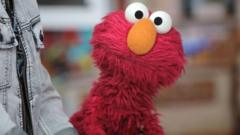
New York City does not tolerate corporate neutrality when a championship is on the line. On June 3, 2026, ahead of Game 1 of the NBA Finals between the New York Knicks and the San Antonio Spurs, the official social media account for Elmo published a harmless message.
"Elmo hopes both teams have fun!" Read more on a connected issue: this related article.
The response from New Yorkers was immediate, fierce, and entirely devoid of the hospitality usually afforded to children’s television icons. Within hours, the fuzzy red Muppet was branded a traitor by a fan base starved for a championship since 1973. The backlash reveals a sharper truth about the friction between calculated corporate branding and the raw, unpolished reality of modern sports culture. For a city celebrating its first Finals appearance since 1999, Elmo’s forced neutrality was not viewed as wholesome sportsmanship. It was seen as a betrayal of geographic identity.
The Geography of a Muppet Betrayal
To understand why a fictional three-year-old monster faced expletive-laden condemnation from thousands of basketball fans, one must look at the literal map of public broadcasting history. Sesame Street is not a placeless concept. It is canonically located in Manhattan. The show premiered in 1969, capturing the gritty, brownstone-lined reality of New York City. The characters are, by definition, New Yorkers. More reporting by The Athletic highlights related perspectives on the subject.
When the local basketball franchise reaches the grandest stage in the sport, the unwritten rules of regional fandom dictate absolute loyalty. You do not wish both sides well.
[Sesame Street Canonical Location: Manhattan, New York City]
               │
               ▼
[Madison Square Garden: ~3 Miles South]
               │
               ▼
[Expectation: Absolute Regional Fandom]
The online pushback escalated far beyond typical sports banter. Fan accounts demanded Elmo pick a side, using language far too abrasive for public television. Corporate brand accounts joined the fray to capitalize on the engagement. The official Wendy’s account bluntly posted, "NOT NOW ELMO." Even the New York City Department of Transportation intervened publicly, sharing an image of an official Manhattan Sesame Street sign alongside a humorous threat to dismantle it if compliance was not met.
What started as a standard corporate social media calendar entry transformed into an public relations crisis. Fandom in New York is a blood sport. By treating a high-stakes championship series like a weekend youth soccer tournament where everyone gets a participation trophy, the brand misread the emotional temperature of its hometown.
The Mechanics of Corporate Neutrality
The incident exposes the limitations of modern brand management. Sesame Workshop, the non-profit organization behind the character, operates on a mandate of global inclusivity and positive reinforcement. Their digital strategy mirrors this philosophy. The social media managers are trained to project a safe, universal warmth designed to offend no one.
However, sports culture operates on an entirely different mechanism. It requires tribalism. Fandom thrives on clear divisions, in-groups, and out-groups.
Consider how sports organizations and corporate entities clash over public messaging during major events:
| Entity Type | Core Objective | Tone Requirement | Reaction to NBA Finals |
|---|---|---|---|
| Sesame Workshop | Universal inclusivity | Non-threatening, neutral | "Both teams should have fun" |
| New York Sports Fan | Tribal dominance | Intense, fiercely loyal | "Pick a side or you are a traitor" |
| Corporate Brands | Cultural relevance | Irreverent, reactionary | Piling on the viral trend for engagement |
By applying a gentle educational framework to the arena of professional basketball, the brand created a disconnect. New York fans viewed the message as sterile and corporate. It was an artificial attempt to stay clean in a market that wanted dirt, passion, and local pride. The backlash demonstrates that consumers can spot a sanitized corporate template from a mile away, and they will reject it if it lacks authentic cultural context.
The Anatomy of the Walkback
Faced with a mounting wave of local hostility, the team behind the red puppet attempted damage control on June 4. The account issued a pun-laden correction designed to appease locals without fully alienating the Texas market.
"KNICKS that last message! Elmo didn't mean to SPUR you on!"
The follow-up received praise from some corners for its cleverness, but the structural damage was already analyzed. The correction itself proved the original post was a miscalculation. It showed a brand reacting to public pressure rather than driving a narrative.
This is not the first time the franchise has stumbled into deep cultural waters online. In 2024, the same account posted a simple wellness check asking how everyone was doing, which inadvertently triggered a massive, viral wave of public despair and trauma dumping. In that instance, the innocence of the character served as a blank canvas for human emotion.
In the 2026 NBA Finals debacle, the inverse occurred. The innocence of the character ran directly into the brick wall of New York sports fanaticism.
The Core Takeaway for Modern Media
The entire episode offers an essential lesson for media analysts and brand managers alike. Total neutrality is no longer a safe harbor. In a fractured media environment, attempting to appeal to everyone simultaneously can frequently alienate your most dedicated, immediate core audience.
New Yorkers did not hate Elmo because they lacked a sense of humor. They reacted strongly because regional pride is an active contract. If a brand claims the cultural capital of being born on the streets of New York, it must bear the weight of that identity when the city rallies behind its teams. A city that has waited nearly three decades to see its team back in the NBA Finals does not want a lecture on sportsmanship from a neighbor. They want solidarity.
The Knicks secured a victory in Game 1, providing a temporary distraction from the digital drama. But the lesson for corporate creators remains clear. When the city bleeds orange and blue, even the most beloved red puppet on television is expected to fall in line.