Seven people are trapped in a flooded cave in Laos. They have been down there for over a week.
Rescuers are currently scrambling against time, rising water levels, and incredibly tight spaces to pull them out alive. If this sounds terrifyingly familiar, that is because it mirrors the Tham Luang cave rescue in Thailand back in 2018. But every cave system is its own unique nightmare. The ongoing crisis in the Chom Ong cave system in northern Laos’s Oudomxay province highlights exactly why underground rescues are the most difficult missions on earth.
When people hear about a cave rescue, they usually ask the same question. Why can’t divers just swim in and pull them out?
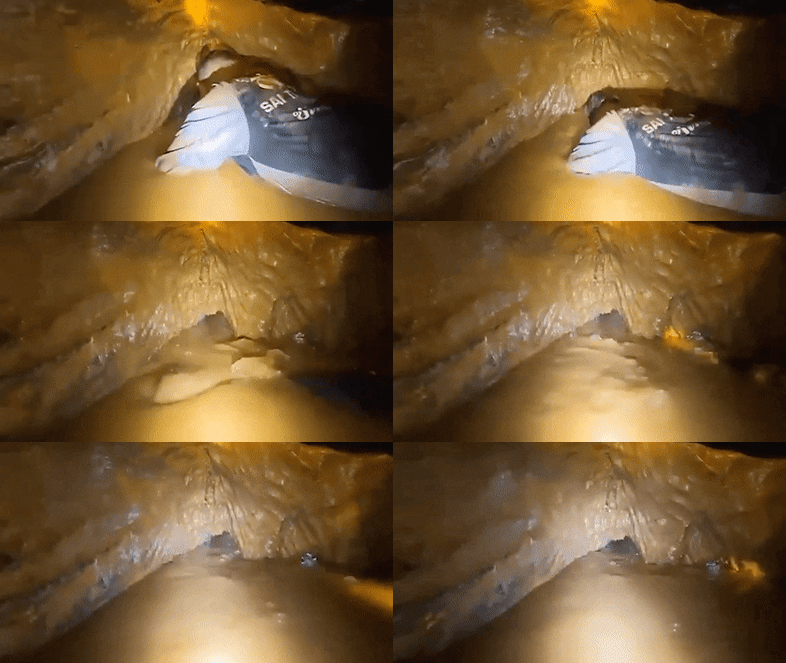
The answer is brutal. Cave diving isn't like diving in the ocean. Visibility is usually zero. The mud turns the water into thick chocolate milk. Current rips through narrow tunnels, jamming divers against sharp rock faces. In Laos, the rescue teams are dealing with gaps so narrow that divers have to remove their oxygen tanks just to squeeze through. One wrong move means getting stuck permanently.
Inside the Chom Ong Cave Crisis
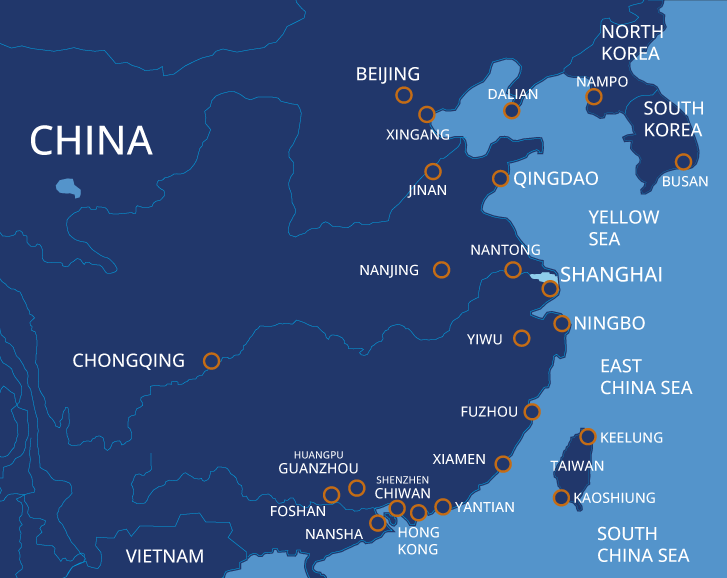
The disaster unfolded in the Chom Ong cave, a massive 16-kilometer underground network. It is one of the longest caves in Laos. A group of local villagers entered the system before sudden, unseasonal torrential rains battered the region.
The water rose fast. It blocked the main exit, forcing the group deeper into the dark recesses of the mountain to find dry ground. They have been isolated for over seven days.
Local authorities mobilized quickly, but they quickly realized the scale of the challenge. The Lao government called in international cave rescue specialists, including experts from neighboring Thailand who gained invaluable experience during the 2018 Tham Luang operation.
The immediate priority isn't even extraction yet. It is contact and sustenance.
When humans are trapped in an airtight, flooded space, three clocks start ticking simultaneously.
- Oxygen depletion: Carbon dioxide builds up in stagnant cave air, causing headaches, confusion, and suffocation.
- Hypothermia: Caves are notoriously cold and damp. Sitting in wet clothes for a week straight drains core body temperature rapidly.
- Dehydration and starvation: While water surrounds them, floodwater is often contaminated with agricultural runoff and bacteria.
The Logistics of Moving Water Out of a Mountain
Right now, the heavy lifting involves massive industrial pumps. Teams are working around the clock to pump millions of gallons of water out of the cave entrance.
But pumping water out of a cave network isn't like draining a swimming pool. It is an uphill battle against nature. If the rain keeps falling, the mountain simply absorbs the water and refills the cave passages faster than the pumps can clear it.
Geologists are also looking for alternative entry points. They are scanning the jungle-covered mountain above the cave system using drones and topographic maps, hoping to find a vertical shaft or sinkhole that could allow rescuers to drill down directly to the trapped individuals.
Drilling through hundreds of meters of solid limestone requires heavy machinery that is incredibly difficult to transport up steep, muddy jungle terrain. It takes days just to set up the equipment.
Why Standard SCUBA Tactics Fail In Muddy Cave Channels
Most people don't realize that standard scuba gear is useless in these environments. Open-water divers use back-mounted tanks. In a cave rescue where the clearance is less than two feet, a back-mounted tank makes progress impossible.
Instead, specialized cave divers use a technique called side-mounting. They clip the cylinders to their sides under their arms. This allows them to unclip a tank and push it ahead of them through tiny fissures.
Then there is the psychological toll. Navigating an underwater maze in total darkness while managing a panic-stricken victim is arguably the most stressful job on the planet. If a trapped person panics while a diver is navigating a tight squeeze, both individuals can easily die. This is why the Thai rescue relied heavily on medically sedating the trapped children to swim them out safely. Experts in Laos are currently debating whether a similar, highly risky strategy will be required once contact is established.
What Needs to Happen Next to Ensure Survival
The operation is reaching a critical tipping point. To maximize the chances of a successful rescue, operations must focus heavily on three immediate logistical steps.
First, engineers must establish a continuous fuel supply chain for the water pumps. A single hour of pump downtime can erase twelve hours of progress if the water levels surge back.
Second, rescue teams need to lay a continuous guide line through the flooded passages as they advance. This rope is the literal lifeline for divers, allowing them to navigate back to safety when visibility drops to absolute zero.
Finally, local meteorological teams must provide hyper-local weather forecasting. Rescuers inside the cave need advance warning of incoming storms so they can evacuate before flash floods trap the rescue teams alongside the victims.
The window of opportunity is closing, but the international coalition assembled in Laos proves that the lessons learned from past subterranean disasters are being actively utilized to save these seven lives.