Don't panic. You've likely seen the headlines about a "deadly cruise ship virus" and felt a familiar shiver. With the World Health Organization (WHO) flagging new cases of hantavirus linked to a vessel in the Atlantic, it's easy to assume we’re looking at a sequel to 2020. We aren't. While three people have died and more cases are popping up in Europe, this isn't a global wildfire. It's a localized tragedy that tells us more about how we travel than how the world might end.
The WHO confirmed on May 7, 2026, that more cases are expected due to a long incubation period. But they were also quick to label the risk to the general public as "very low." Here's why the experts aren't losing sleep, even if the news cycle is. Also making news recently: Why Hantavirus Fears Are Mostly Overblown Right Now.
The Cruise Ship Connection
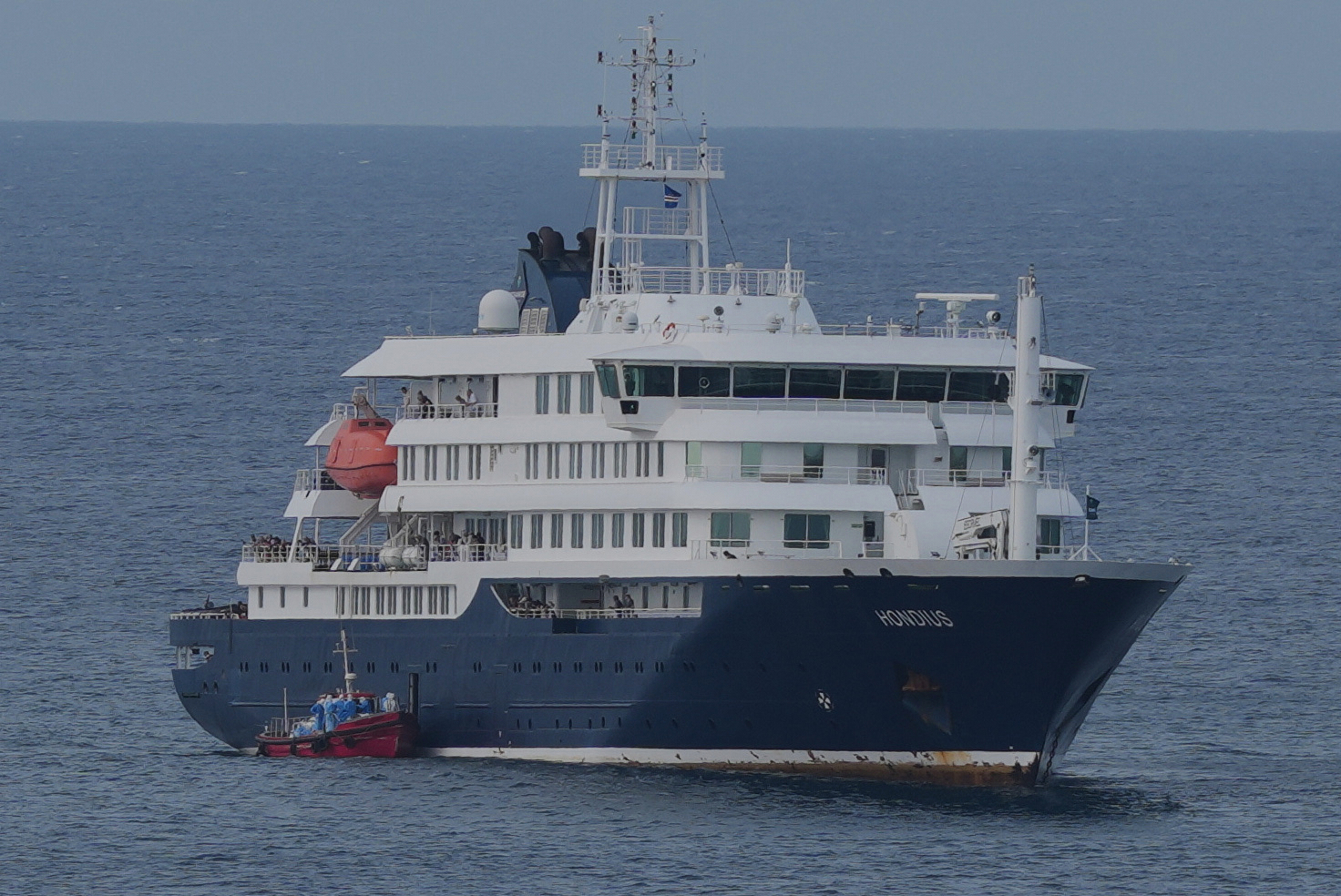
The current cluster started on the MV Hondius, a ship that set sail from Argentina in March. By early May, the situation turned grim. Seven people fell ill, and three died. The victims included a Dutch couple and a German passenger. The scary part? There were no rats on the ship.
Usually, hantavirus is a "rodent-to-human" deal. You breathe in dust contaminated with mouse droppings, and you get sick. But the MV Hondius didn't have a rodent problem. This points to something much rarer: human-to-human transmission. Specifically, the Andes virus strain. Further insights into this topic are detailed by WebMD.
This strain is the "black sheep" of the hantavirus family. It’s mostly found in South America and is the only version known to jump between people. It doesn't happen through the air like a cold. It requires "really close contact"—think living in the same cabin or caring for a sick relative. This explains why the outbreak hasn't exploded beyond the small circle of passengers and their immediate contacts.
Why More Cases Are Coming
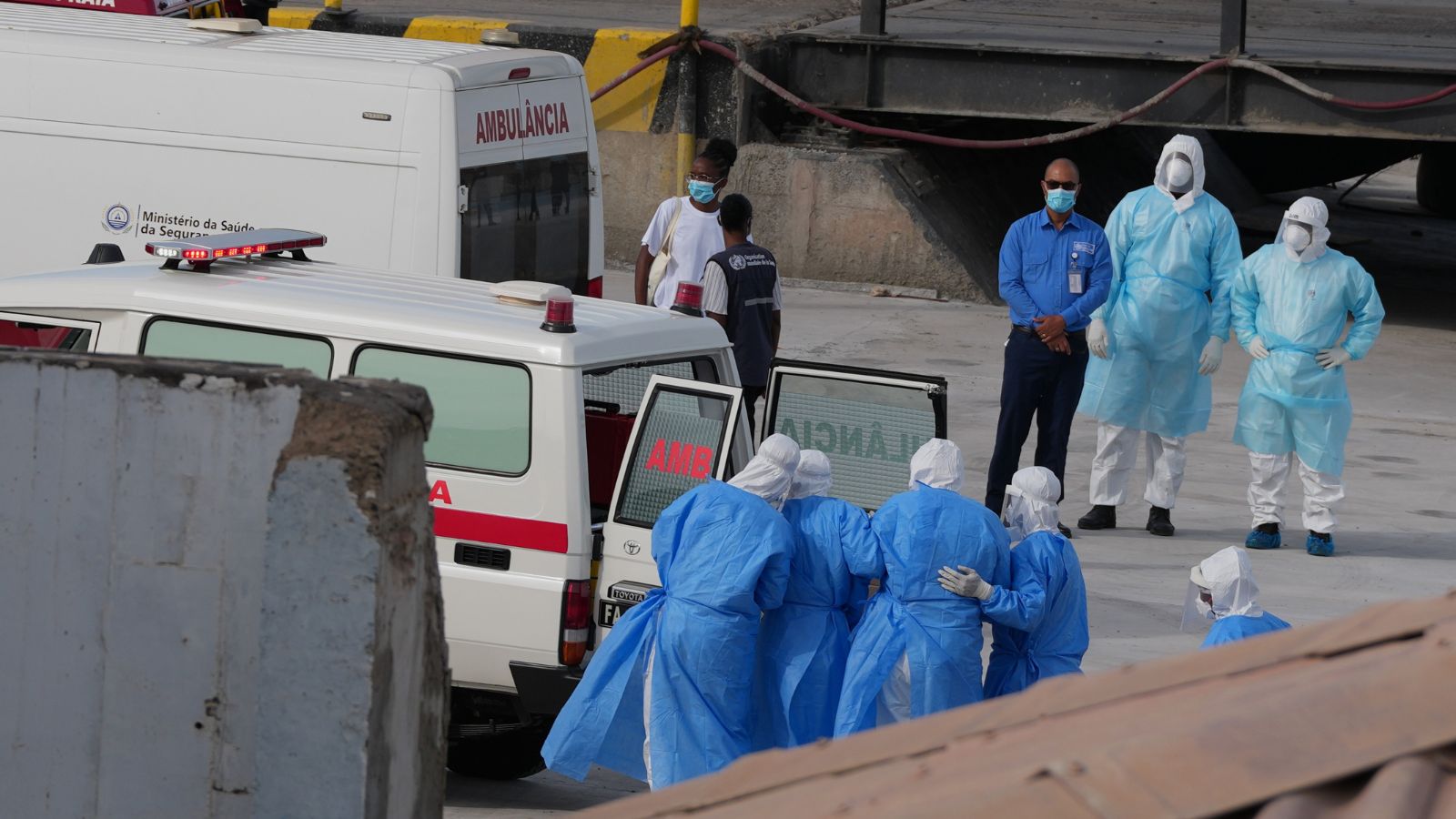
You can't just test someone today and be sure they're safe. Hantavirus is a slow burner. The incubation period can last up to six weeks. This is why the WHO is bracing for a few more positive tests as passengers return to their home countries like the UK, Germany, and the Netherlands.
Leiden University Medical Centre in the Netherlands already confirmed a new case on May 7. This person was likely infected weeks ago on the ship. We're seeing the tail end of the original event, not a new chain of transmission in the streets.
Symptoms That Mimic Everything Else
The real danger of hantavirus isn't its "contagiousness"—it’s how it hides. Early on, it feels like a bad flu. You get the fever, the muscle aches in your thighs and back, and some nasty stomach issues. You might think it’s just food poisoning or a seasonal bug.
Then, around day four or ten, everything changes. The virus attacks the lungs. This is Hantavirus Pulmonary Syndrome (HPS). Your lungs fill with fluid. You struggle to breathe. At this point, the mortality rate hits about 38%. It's fast, it’s violent, and there is no "cure" or vaccine. Doctors can only give you oxygen and keep your heart pumping while your body fights it off.
Stop Overthinking the Risk
If you haven't been on a cruise ship in the South Atlantic lately or spent your weekend cleaning out a mouse-infested shed in rural Argentina, you're fine. The virus doesn't survive long outside a host or a wet environment. It’s fragile.
Health officials in Argentina are currently testing rodents in Ushuaia to see where the original passenger caught it. Most likely, someone went birdwatching or hiking before boarding, breathed in some contaminated dust, and brought the passenger-to-passenger strain onto the ship.
What You Should Actually Do
Even though the global risk is low, hantavirus is a reminder that nature is messy. If you're traveling or doing spring cleaning, a few basic moves keep you safe.
- Seal the gaps. If mice can get in your house, the virus can too. Use steel wool or caulk to plug holes.
- Don't sweep dry droppings. If you find rodent mess in a garage or cabin, don't use a broom. You'll just kick the virus into the air. Wet it down with a bleach solution first.
- Watch the clock. If you’ve been in a high-risk area and develop a fever 2-6 weeks later, tell your doctor about the exposure. Don't wait for the cough.
The WHO isn't sounding the alarm because they expect a pandemic. They're doing it so countries can track down every last person from that ship. It's a "limited" outbreak for a reason—the virus is deadly, but it's not a master of travel. We'll see more headlines this month as the 42-day window closes, but then the MV Hondius story will likely fade into a medical footnote.