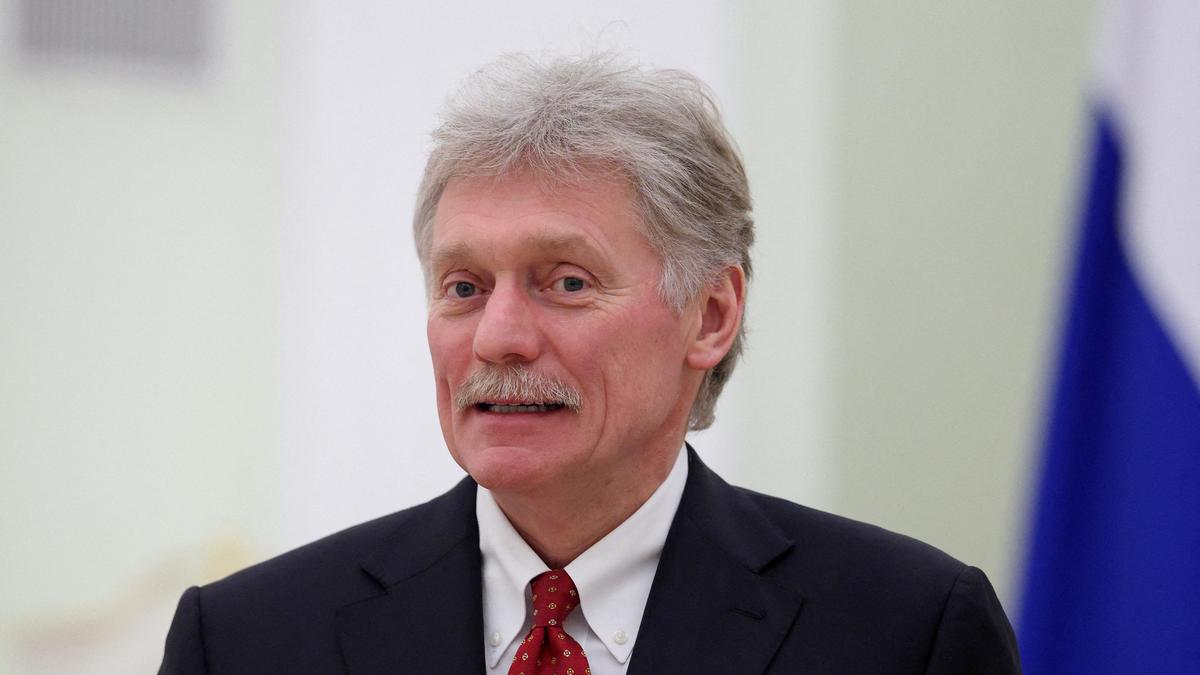
Don't be fooled by the latest headlines suggesting a thaw in the energy freeze between Moscow and Brussels. Kremlin spokesperson Dmitry Peskov just went on the record saying Russia is "ready" to pump gas back to the European Union if there’s a surplus. It sounds like a peace offering, but it's more like a desperate sales pitch for a product the customer is legally forbidden from buying.
We’re in April 2026, and the energy map of Europe doesn't look anything like it did four years ago. The Kremlin is sitting on a mountain of gas because their "voracious" alternative markets—basically China and India—can't build pipelines fast enough to soak up the volume that used to go to Germany. Now, they're dangling the carrot of "surplus" gas just as EU storage levels hit a nerve-wracking 28%.
It's a classic move. You create a supply crunch, wait for the buyer to get desperate, then offer a "deal" that comes with massive political strings attached.
The surplus trap
Peskov’s statement isn't about being a good neighbor. It’s about the fact that Russia’s domestic storage is full and their Pivot to the East is hit with reality. You can't just teleport gas from the Yamal Peninsula to Shanghai without thousands of miles of steel. Since the EU started its legally binding phase-out of Russian gas, Gazprom's profits have taken a nose-dive.
The timing of this "offer" is suspiciously perfect. Right now, the Strait of Hormuz is a mess due to the conflict in Iran, which has choked off a huge chunk of Middle Eastern LNG. Europe is feeling the squeeze. Prices are up 30% since January. By saying "we have plenty of gas," Russia is trying to tempt the EU to break its own sanctions.
But here’s the reality. As of March 18, 2026, the EU’s REPowerEU regulation has officially banned new spot transactions for Russian gas. Most of the gas entering the bloc now requires prior authorization and mountain of paperwork. Peskov knows this. He’s not talking to the energy ministers; he’s talking to the European voters who are tired of high heating bills.
Why Europe won't bite this time
If you think the EU is going to jump at this, you haven't been paying attention to the new laws. The REPowerEU Gas Regulation (EU/2026/261) isn't just a suggestion—it’s a phased ban that becomes 100% total by autumn 2027.
- Legally bound: Companies caught buying Russian gas without a license now face fines of 300% of the transaction value.
- Storage mandates: Even though storage is low, the EU has doubled down on non-Russian sources.
- Infrastructure shift: Germany and the Netherlands have spent billions on Floating Storage Regasification Units (FSRUs). They literally don't have the same need for the Nord Stream pipes, even if they weren't sitting at the bottom of the Baltic.
The "surplus" Russia is talking about is essentially stranded gas. It has nowhere else to go. They’re trying to frame a logistical failure as a gesture of goodwill. Honestly, it's kind of pathetic if you look at the math.
The Middle East wild card
The only reason anyone is even listening to the Kremlin right now is the chaos in the Middle East. With the Strait of Hormuz effectively closed, 25% of the world's LNG is stuck. Europe has been forced to rely on expensive American LNG and the remaining Russian LNG cargoes from the Yamal project—which, ironically, the EU spent nearly €3 billion on in just the first quarter of 2026.
Russia sees this window of vulnerability. They want to use the "surplus" pipeline gas to replace the lost Middle Eastern volumes. It's a gamble that Europe’s "Green Deal" resolve will crumble under the weight of a cold spring and high industrial costs.
But I don't see that happening. The EU has already started granting "methane flexibility" to other suppliers just to avoid going back to Gazprom. They'd rather overpay for American gas or buy from Azerbaijan than hand Putin a win during an election year for several major European powers.
What you should actually watch
Forget the "surplus" talk. The real story is the transit through Ukraine. The current contract is on life support, and despite the rhetoric, some Russian gas is still flowing through a literal war zone.
If you're an investor or just someone worried about your utility bill, don't bet on a return to cheap Russian pipeline gas. The bridge isn't just burned; it's been replaced by a completely different route.
- Check the 19th sanctions package: It specifically targets the long-term LNG contracts that expire in 2027.
- Monitor the Mediterranean: Watch for increased flows from Algeria and Libya, which are the real "surplus" winners here.
- Efficiency over supply: The EU’s move to lower storage requirements to 75% shows they're betting on demand reduction, not new supply.
Russia’s "ready to supply" headline is a ghost from 2021. It’s an attempt to stay relevant in a market that has already decided to move on. Don't expect the valves to open anytime soon, surplus or not.