The front lines in Ukraine aren't just shifting. They're hardening into a precursor for a massive Russian escalation that most Western observers didn't see coming six months ago. While the headlines focus on tactical back-and-forth in the Donbas, the real story is the strategic buildup of Russian reserves and the total collapse of US-mediated backchannels.
If you've been waiting for a diplomatic breakthrough, stop. It's not happening. The White House has essentially put peace talks on ice, and Moscow is reading that as a green light to push for a total military solution before the next US election cycle creates more uncertainty.
The Reality of the Russian Buildup
Russia isn't just throwing bodies at the problem anymore. They've shifted their entire economy to a war footing. We're talking about a massive increase in domestic shell production that currently outpaces the combined output of the EU and the US. Intelligence reports suggest that the Kremlin is prepping for a multi-axis strike aimed at stretching Ukrainian defenses until they snap.
This isn't just about taking one or two more ruined towns. The goal is likely a broad push to reclaim territory in the north and solidify a permanent "land bridge" in the south that Ukraine can't touch. Military analysts point to the accumulation of fresh motorized rifle divisions that haven't even seen combat yet. They're being saved for something big.
Why US Diplomacy Hit a Brick Wall
The US-mediated talks are on hold because neither side sees a reason to blink. Washington's position has become increasingly rigid as internal politics heat up. For the Biden administration, pushing Ukraine toward a "bad peace" is a political non-starter. For the Kremlin, any deal that doesn't include permanent recognition of annexed territories is a waste of time.
There’s a clear disconnect here. The US thinks it can bleed Russia out through attrition. Russia thinks it can outlast Western patience. When both sides believe they're winning the long game, the middle ground disappears. The "mediator" role the US tried to play has basically dissolved into being the primary arms supplier, which makes them a party to the conflict in Moscow's eyes. You can't be the referee and the quarterback at the same time.
Ukraine Strategy Under Pressure
Ukraine is in a tough spot. They're fighting a defensive war while trying to convince the world they can still go on the attack. It's an exhausting balance. To survive a new Russian offensive, Kyiv needs more than just tanks; they need air superiority and long-range strike capabilities that have been trickling in far too slowly.
- Ammunition shortages are still the biggest headache on the ground.
- Manpower issues mean Ukraine is rotating tired units less often than they'd like.
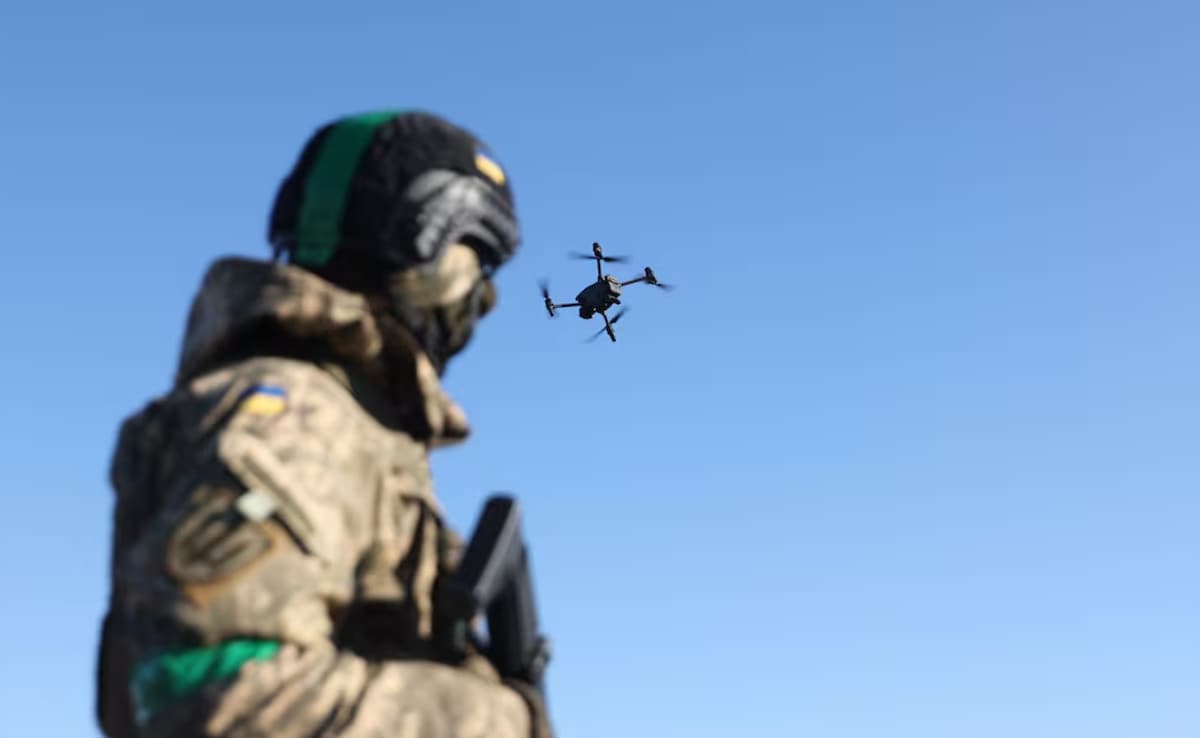
- Electronic warfare from the Russian side has become surprisingly effective at grounding Ukrainian drones.
The Russian military learned from its early blunders. They've tightened their logistics. They've dug in with sophisticated trench systems. If Russia launches this new offensive in the spring, it won’t be the disorganized mess we saw in 2022. It’ll be a calculated, heavy-metal grind.
The Economic Engine of the Conflict
Sanctions didn't break Russia. That’s a hard truth people need to swallow. By pivoting to markets in Asia and using "shadow fleets" to move oil, the Kremlin kept the lights on and the factories running. While Western consumers feel the pinch of inflation, Russia has funneled every spare ruble into its defense industrial base.
This economic resilience is what's fueling the confidence for a new offensive. They have the cash. They have the materials. And honestly, they have a population that has been conditioned to accept a long, drawn-out struggle.
What This Means for Global Security
The ripple effects are everywhere. If Russia manages to break through Ukrainian lines this year, the entire security architecture of Europe is toast. NATO is scrambling to bolster its eastern flank, but those deployments take years, not weeks.
The hold on peace talks isn't just a "pause." It's a failure of the current diplomatic framework. We’re moving into a phase where the only language being spoken is high explosives.
If you're tracking this, look at the rail movements near the border. Watch the Su-34 sortie rates. The signs are all there. Russia is betting everything on this next move, and the US is currently content to let the battlefield decide the terms of the eventual peace—whenever that might be.
The best move for anyone following this is to ignore the "imminent ceasefire" rumors. They're noise. Focus on the logistics. Focus on the industrial output. That's where the real war is being won or lost. Don't expect a seat at the table until one side can no longer stand up on the battlefield. Keep an eye on the F-16 delivery timelines and whether the Russian air force decides to finally commit its full weight. Those are the only metrics that actually matter right now.