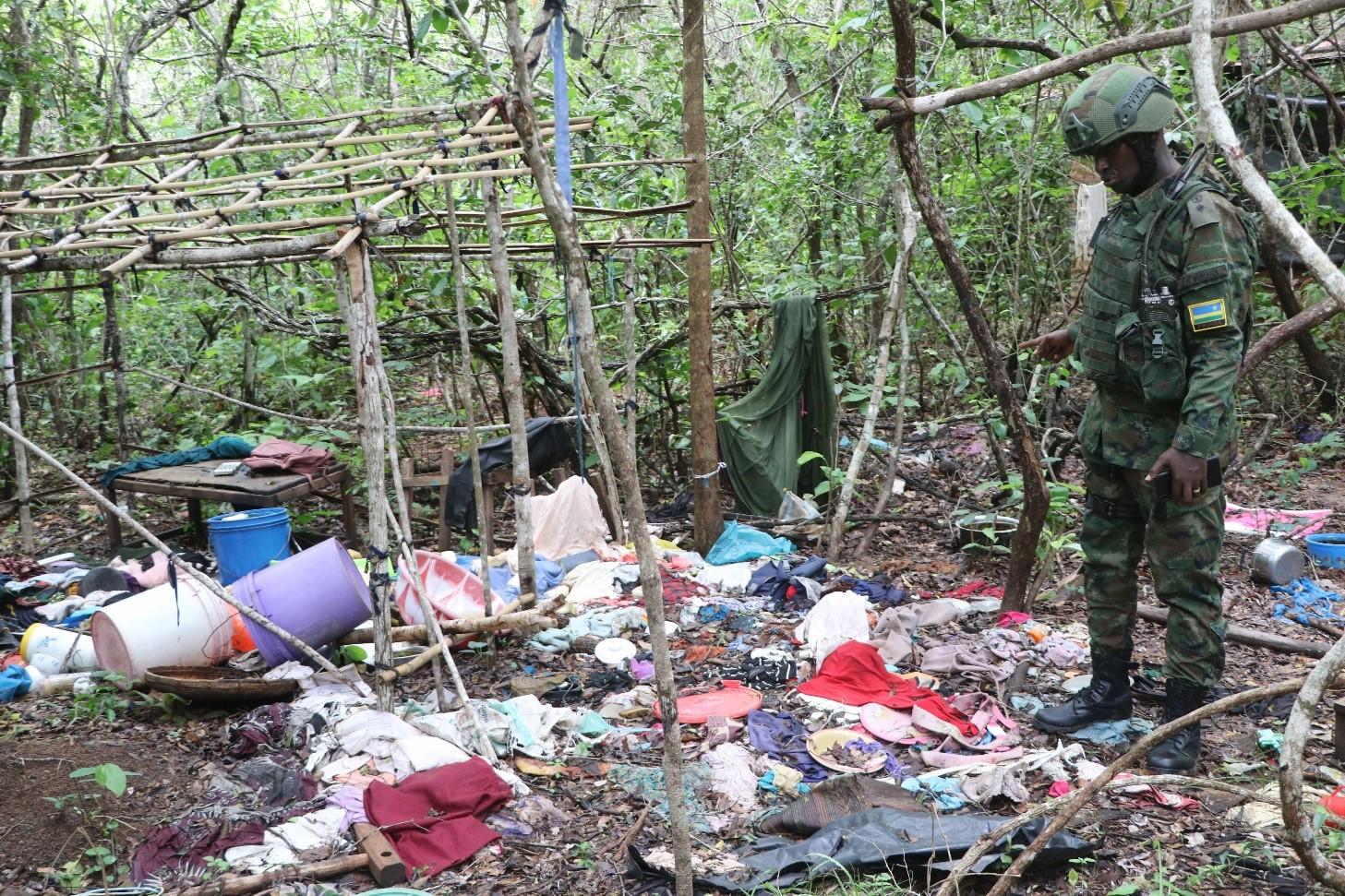
Rwanda is currently weighing the cost of its "Security Export" model against a mounting financial deficit that the international community refuses to fill. While the official narrative from Kigali suggests a potential withdrawal from Mozambique’s gas-rich Cabo Delgado province due to "mission completion" or "shifting priorities," the reality is a cold, hard calculation of ledger sheets and diplomatic leverage. President Paul Kagame has signaled that his thousand-strong force—which effectively did what 16,000 UN peacekeepers in other nations often fail to do—cannot remain a pro-bono security guard for TotalEnergies and the Mozambican state indefinitely.
The insurgency led by al-Shabab (unrelated to the Somali group) paralyzed the largest natural gas projects in Africa. When South African and regional SADC forces struggled to contain the bleed, Rwanda stepped in with surgical efficiency. They cleared the Afungi peninsula. They secured the ports. Now, the bill has come due, and the European Union, along with other Western stakeholders, is hesitant to foot it at the scale Kagame demands. This isn't just about counter-terrorism. It is about the commodification of African military excellence.
The Afungi Shield and the Cost of Peace
Security is the most expensive commodity in Northern Mozambique. When the Rwandan Defence Force (RDF) arrived in 2021, the $20 billion Liquefied Natural Gas (LNG) project led by TotalEnergies was under "force majeure." The local military was in retreat. Within weeks, the RDF had reclaimed key towns like Mocímboa da Praia. It was a masterclass in asymmetrical warfare, but it was never intended to be a permanent occupation.
Rwanda operates a unique foreign policy where its military is its most effective diplomatic tool. By securing Cabo Delgado, Kigali gained massive influence in Maputo and earned credits with Paris. However, maintaining a high-readiness expeditionary force thousands of miles from home is draining the Rwandan national treasury. Kagame’s warning of a withdrawal is a calculated move to force the hands of those who benefit most from the stability: the gas giants and their European customers.
The financial mechanics are opaque but telling. Initial funding for the Rwandan mission didn't come from a standard UN mandate. It came through bilateral agreements and a €20 million boost from the European Peace Facility (EPF). In the world of high-stakes private-state security, €20 million is a drop in the ocean. It barely covers logistics and fuel for a few months of active patrolling. Rwanda wants a sustainable, long-term funding mechanism, essentially turning their military presence into a contracted service.
The French Connection and the TotalEnergies Factor
You cannot discuss the Rwandan presence without discussing French energy interests. TotalEnergies has a massive stake in the success of the Mozambique LNG project. When the insurgency threatened to scrap the entire investment, it was Rwandan boots—not French or South African—that cleared the perimeter. This created a triangle of dependency between Kigali, Paris, and Maputo.
Critics often point out that Rwanda’s intervention happened shortly after a series of high-level meetings between Kagame and French President Emmanuel Macron. The optics suggest a "security-for-legitimacy" trade. By acting as the gendarme of African energy corridors, Rwanda secures a seat at the table that its GDP alone wouldn't grant. But as the French military presence in the Sahel collapses, Paris is wary of being seen as the bankroller of "mercenary" state forces, even if those forces are highly disciplined and effective.
The problem for Mozambique is that its own military, the FADM, is still not ready to hold the ground the Rwandans have won. If the RDF pulls out, the vacuum will be filled by the same insurgents who previously beheaded villagers and seized international assets. Maputo is terrified of this prospect. They are currently caught between a debt crisis of their own and the realization that their sovereignty is currently being rented from Kigali.
Why the Regional SADC Force Failed Where Rwanda Succeeded
To understand why Rwanda has so much leverage, one must look at the failure of the Southern African Development Community Mission in Mozambique (SAMIM). SAMIM was the "official" regional response. It was hampered by bureaucracy, lack of coordination, and a lack of clear mandate. South Africa, the regional heavyweight, sent troops but struggled with equipment maintenance and funding.
Comparison of Operational Models
| Feature | Rwandan Defence Force (RDF) | SADC Mission (SAMIM) |
|---|---|---|
| Command Structure | Unitary, direct from Kigali | Multi-national committee |
| Speed of Deployment | Days | Months |
| Funding | Bilateral / European Peace Facility | Member state contributions (unreliable) |
| Primary Goal | Area denial and infrastructure security | Broad stabilization and peacekeeping |
The RDF operates with a "hunt and destroy" mentality that is alien to traditional peacekeeping. They do not sit in barracks waiting for a mandate change. They move. This efficiency is exactly why they are now able to demand a higher price. They have proven their value. Now, they are testing the market.
The Hidden Risk of the Security Export Model
There is a dark side to this "security for hire" strategy. When a country’s primary export becomes its military capability, the incentive to actually solve the root causes of an insurgency diminishes. If Cabo Delgado becomes perfectly peaceful, the Rwandan troops are no longer needed, and the funding dries up. This creates a "forever-war" economy where the goal is not total victory, but a managed level of instability that justifies a permanent foreign presence.
Furthermore, the focus on military success often masks the total failure of social governance. The insurgency in Mozambique was born out of local marginalization. The youth in Cabo Delgado saw billions of dollars in gas wealth being extracted while they lived in poverty. A Rwandan rifle can stop a rebel from attacking a gas plant, but it cannot fix the corruption in Maputo or the lack of schools in Palma.
If Rwanda withdraws, it won't be because the job is done. It will be because the ROI (Return on Investment) has flattened. Kagame is an astute businessman as much as he is a military strategist. He knows that the threat of leaving is often more profitable than the act of staying.
The Looming Vacuum
The international community is currently calling Rwanda’s bluff, but it’s a dangerous game. The United States has designated the insurgents as a global terrorist threat. Europe is desperate for non-Russian gas. All roads lead back to the security of the Afungi peninsula.
If the funding is not secured, the withdrawal will likely happen in phases. First, the peripheral checkpoints will go. Then, the joint patrols. Finally, the elite units guarding the LNG sites will pull back to the airports. We have seen this script before. Without a professional force to hold the line, the insurgents—who have simply melted into the forests and across the border into Tanzania—will return. They are playing the long game, waiting for the foreigners to argue over the bill.
The Mozambique government is currently trying to bridge the gap by courting other partners, including various private military contractors, but none offer the state-level legitimacy and discipline of the RDF. For now, the standoff continues. Kigali wants a contract. Europe wants a free lunch. Mozambique just wants to keep its gas.
Watch the flight manifests out of Kigali. If the heavy transport planes start returning empty, the leverage has failed, and the next chapter of the Cabo Delgado crisis will begin with a bang.
Ask me to analyze the specific financial ties between the European Peace Facility and African military interventions.