The headlines are shouting about China’s Commerce Ministry "blocking" US sanctions against five refineries. The mainstream press is framing this as a diplomatic skirmish or a breach of international norms. They are missing the forest for the trees. This isn't a defensive crouch by Beijing. It is a masterclass in market capture that Washington is inadvertently funding through its own regulatory rigidity.
If you think sanctions are a "tool of pressure," you are living in 1995. In 2026, sanctions are the greatest gift the US Treasury can give to a competitor's industrial sector. Meanwhile, you can find related events here: The Ghost in the Ledger and the Limits of Mercy.
The Myth of the Rogue Refinery
The standard narrative suggests these "teapot" refineries are small, independent, and vulnerable. That is a fantasy. These entities are the tactical vanguard of Chinese energy security. By sanctioning them, the US doesn't starve them; it disconnects them from the dollar-denominated pricing index, forcing them to innovate in the shadow economy where the US has zero visibility and zero leverage.
When the US Treasury slaps a label on a refinery in Shandong, they aren't shutting off the valves. They are simply lowering the price of the crude that refinery buys. Sanctioned oil—whether it comes from Russia, Iran, or Venezuela—trades at a massive "risk discount." To understand the bigger picture, we recommend the excellent analysis by CNBC.
I have watched traders scramble to pivot when these announcements hit. They don’t stop trading. They just stop using SWIFT. They move to the CIPS (Cross-Border Interbank Payment System) or use digital yuan. The result? China gets the cheapest energy on the planet while American refineries pay a premium for "clean" barrels. We are literally taxing our own industrial base to subsidize the raw material costs of Chinese manufacturing.
The Counter-Intuitive Architecture of "Blocking"
Beijing’s move to "block" these sanctions isn't just about protecting five specific companies. It is about establishing legal sovereignty over global supply chains. By enacting domestic laws that forbid compliance with foreign sanctions, China creates a "legal pincer" for any global firm operating within its borders.
Imagine a scenario where a global bank has to choose between a $500 million US fine or the total seizure of its Chinese assets and the imprisonment of its local board members. They aren't going to choose the US. They will find a way to obfuscate.
The "lazy consensus" says this is a sign of a fracturing global order. The reality is more brutal: it is the birth of a dual-track financial system where the West's primary weapon—financial exclusion—has become its primary weakness. When you kick someone out of your club, you lose the ability to tell them what to do.
The Teapot Refineries are the New Majors
We need to stop calling these "independent refineries." That term implies a lack of state coordination. In reality, these five refineries are the R&D labs for Beijing’s energy resilience.
- Agility: Unlike the state-owned giants (Sinopec, CNPC), these smaller players can switch suppliers overnight.
- Deniability: They provide a layer of insulation between the central government and the "grey market" of sanctioned oil.
- Efficiency: They are often more modern and optimized than the aging behemoths in the West.
By targeting them, the US is essentially picking the most evolved, hardened targets in the ecosystem. It's like trying to kill a virus by spraying it with just enough disinfectant to make it mutate, but not enough to kill it.
The Cost of Compliance is a Competitiveness Tax
Every time a US-based firm spends $10 million on a compliance department to track "beneficial ownership" of a tanker in the Malacca Strait, their Chinese competitor is spending $10 million on a new hydrocracker.
The Western obsession with "know your customer" (KYC) has morphed into "know your customer’s third-cousin’s shell company." This is administrative bloat masquerading as foreign policy.
- US Approach: High-friction, high-cost, high-transparency.
- China Approach: Low-friction, low-cost, zero-transparency.
Which one do you think wins in a commodity-driven global economy?
Why the "People Also Ask" Questions are Dead Wrong
People are asking: "Will these sanctions hurt the Chinese economy?"
Wrong question. The question is: "How much did these sanctions just lower China's CPI?"
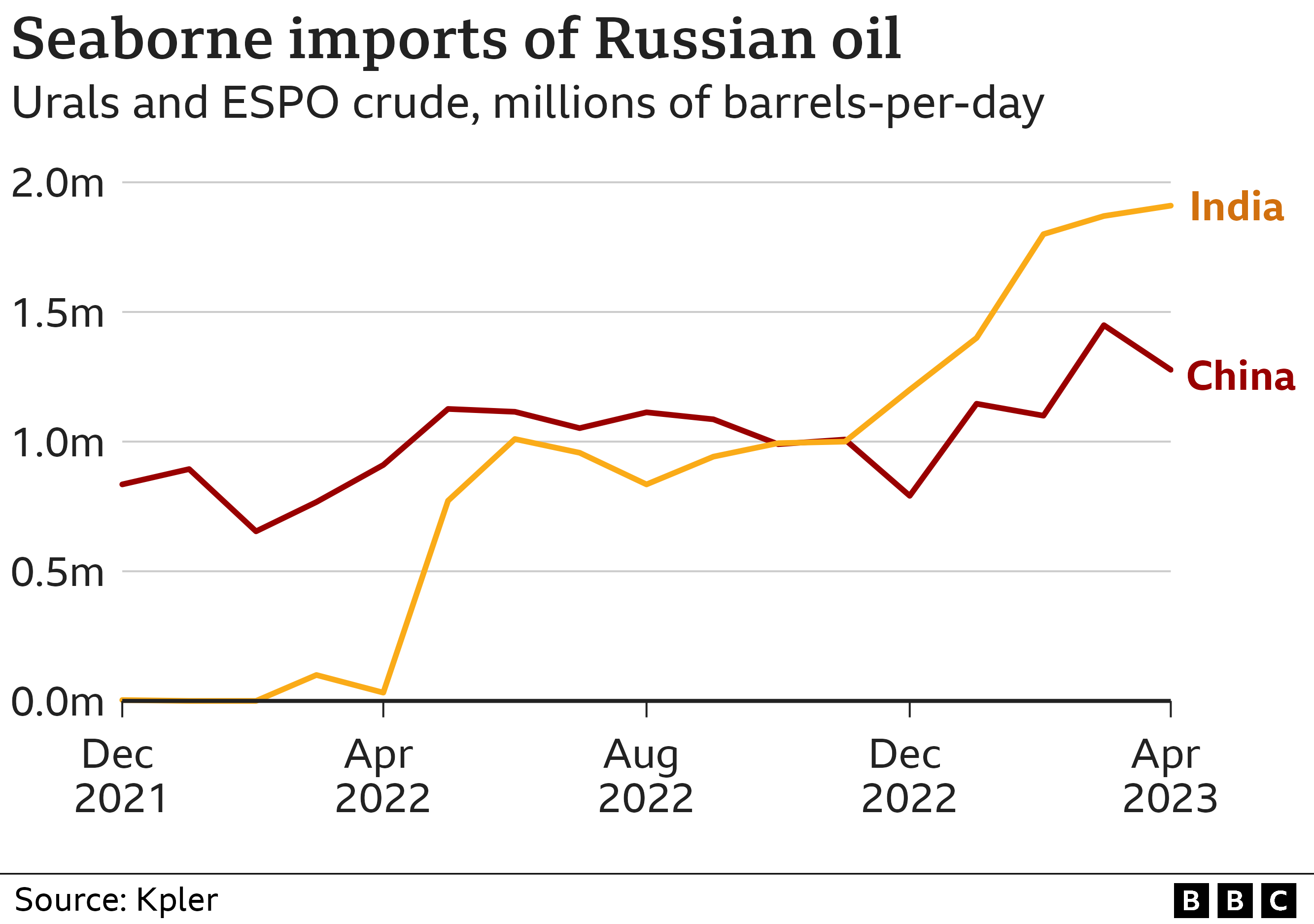
When China buys discounted Russian Urals at $20 below Brent, they are effectively importing deflation. While the US struggles with energy-driven inflation and fluctuating pump prices, China is locking in long-term, low-cost energy inputs for its chemicals, plastics, and transport sectors.
Another common query: "Can the US enforce these sanctions?"
Technically, yes—on paper. But enforcement requires cooperation. If the world's largest consumer of oil refuses to cooperate, the "sanction" is nothing more than a press release. It’s theater for a domestic audience that doesn't understand how a physical barrel of oil moves from Point A to Point B.
The Danger of the Moral High Ground
There is a certain smugness in Western policy circles that assumes the moral right to dictate who can buy oil from whom. This ignores the Darwinian reality of the energy market.
I’ve been in rooms where policy analysts talk about "isolating" China. It’s a laughable concept. You cannot isolate the world's factory. You can only isolate yourself from the markets that the factory controls.
The downside of my contrarian view? It requires admitting that the "Global Policeman" era is over. It requires acknowledging that our financial tools are blunt instruments in a world of digital surgical strikes. If we keep using the 1990s playbook, we will find ourselves with the cleanest, most compliant, and most bankrupt economy on earth.
The Physical Reality of the Shadow Fleet
While the US focuses on "legal frameworks," China is focused on "steel and water." The shadow fleet—hundreds of aging tankers with opaque ownership and switched-off transponders—is now a permanent feature of global trade.
These tankers don’t care about the G7 price cap. They don’t care about US Treasury "Specially Designated Nationals" lists. They are the circulatory system of a new, parallel economy. By blocking sanctions, China is simply providing the legal umbrella for this fleet to dock, offload, and refuel.
We are not watching a breach of law. We are watching the creation of a new law.
The US is trying to play a game of chess while China is simply redesigning the board. Every time we move a piece according to the old rules, we find the square we were aiming for has been removed entirely.
The refineries in Shandong aren't shaking in their boots. They are expanding. They are hiring. And they are laughing at the fact that their biggest discount provider is the United States government.
Stop looking for the "impact" of sanctions in the quarterly earnings of Chinese firms. Look for it in the widening gap between Western industrial energy costs and Eastern ones. That is where the war is being won, and right now, the US is paying for the privilege of losing.