The hospital corridor at three in the morning is a world suspended in glass and cold light. It smells of floor wax, rubbing alcohol, and the faint, metallic tang of oxidized blood. To those who have spent nights in these sterile hallways, the silence is never absolute. It is a symphony of soft hums—the rhythmic sigh of ventilators, the steady drip of saline, the quiet squeak of rubber soles on linoleum.
For seventy-five years, Eiji Aita lived a quiet life in the Ibaraki Prefecture. By late January, he was an inpatient at Kashiwa Tanaka Hospital in neighboring Chiba, resting in a bed that was supposed to represent safety. He was recovering. The day before, he had been alert, conversing, looking forward to whatever remained of his twilight years.
Then came the night shift of January 30.
In the deep, frozen hours of the Japanese winter, a shadow moved across the threshold of his room. It was not a stranger. It was a healer.
The Thin Line of the IV
We place an extraordinary, almost terrifying amount of faith in a thin piece of plastic.
The intravenous line is the ultimate symbol of vulnerability. It bypasses every natural defense the human body possesses. Our skin is a fortress, a brilliant barrier designed to keep out the microscopic hostile forces of the world. But when we are sick, we willingly allow a stranger to pierce that fortress with a steel needle. We surrender. We lie back and let liquids flow directly into our veins, trusting that the person hanging the bag has only one motive: survival.
At 3:55 a.m., that trust was quietly severed.
Miyuki Furukawa, a 51-year-old nurse and licensed midwife, stepped into Aita’s room. She was not assigned to his care. Her duties lay elsewhere on the floor, but the security cameras mounted in the quiet corridors recorded her entering and exiting his space multiple times during the night.
Consider what happens next: a deliberate, unthinkable act of contamination.
According to police investigators, Furukawa did not carry a rare poison or a clinical drug. She used something far more visceral, abundant, and filthy. Excrement. With a syringe, she allegedly introduced human feces directly into the extension tube of Aita’s IV line.
The mechanics of this act are as cold as they are sickening. The contaminated fluid did not linger in the bag. It crawled down the clear plastic tubing, driven by gravity, slipping past the tape on the old man's arm, and entered his bloodstream.
Directly. Completely.
The Blood Begins to Panic
The human body does not tolerate invaders in its inner sanctum. When bacteria enters the bloodstream, the response is immediate and catastrophic.
By 4:00 a.m., just five minutes after the alleged injection, an associate nurse entered the room to check on Aita. The transformation was horrifying. The man who had been lucid hours before was now deathly pale. His chest rose and fell in shallow, desperate gasps. He was groaning, crying out in an agony he could barely articulate.
The associate nurse sounded the alarm. The head nurse arrived, her eyes instantly scanning the machinery keeping the patient alive. She froze.
The clear plastic tube of the IV drip was no longer clear. It had turned a dark, turbid brown.
Sensing something was terribly wrong, the head nurse took a photograph of the discolored tube before pulling it from Aita's arm. It was a split-second decision that would later prove crucial to the criminal investigation. She placed the contaminated line into a cup to preserve it.
But in a hospital, chaos is a decoy.
Moments later, when the head nurse went to retrieve the cup, it was gone.
When questioned, Furukawa was calm. She admitted she had moved the cup to the staff station. Yet, when investigators located the vessel at the station, the dark brown line was missing. In its place was a cup filled with a strange, reddish-orange fluid—a clumsy attempt to substitute the evidence.
Meanwhile, inside Aita’s veins, a biological war was raging.
To understand sepsis, we must discard the idea that the bacteria itself kills the patient. It does not. Sepsis is the body’s ultimate panic button. It is an overreaction of the immune system so violent that it destroys the host. In a desperate bid to fight off the flood of intestinal bacteria, the immune system floods the body with chemicals that trigger widespread inflammation.
Blood vessels begin to leak. Blood pressure plummets.
By the evening of January 30, Aita's pressure was cratering. His organs, starved of oxygenated blood, began to shut down one by one. His kidneys failed. His lungs filled with fluid. His heart faltered.
At 10:30 p.m. on January 31, Eiji Aita died.
He did not die peacefully in his sleep. He died of multiple organ failure brought on by an engineered infection.
The History in the Glass
On February 1, the day after Aita's heart stopped, Kashiwa Tanaka Hospital officials contacted the Chiba police. They reported an "unusual death". They had the photograph of the brown tube, and they had the autopsy results. The laboratory confirmed that the patient’s blood was teeming with intestinal bacteria—the exact same strain found residing in the remnants of the IV drip.
Three weeks later, administrators sat Furukawa down. They informed her that the police were actively investigating the death.
Her response was chilling in its casual, detached nature.
"Is that so?" she reportedly said. "I guess I can't come back anymore."
She quietly resigned the next day, walking away from a career as a nurse and midwife, disappearing back into the suburbs of Kashiwa.
But we live in an era where our secrets are rarely our own. We carry our darkest thoughts in our pockets, etched onto glass screens and sent to remote servers. When the police seized Furukawa's smartphone, they did not just find photos or text messages. They found her digital footprint.
In the days leading up to the murder, she had typed a series of queries into her search bar.
Feces injection, will they die?
There is a cold, clinical curiosity in those words. It is the query of someone treating a human life as an experiment, testing the boundaries of lethality with the most degrading tool available.
The Psychology of the Angel of Death
The medical serial killer—often referred to in forensic psychology as the "Angel of Death"—is one of the rarest and most terrifying profiles in criminology.
Throughout history, we have seen these figures emerge. In 2016, another Japanese nurse, Ayumi Kuboki, was arrested for poisoning dozens of elderly patients in Yokohama using disinfectant introduced into their IV drips. Her reason? She wanted them to die on someone else's shift so she wouldn't have to explain the deaths to the families.
These killers operate in a space of absolute control. In a hospital ward, the nurse is a deity in scrubs. They decide when you receive pain relief, when you eat, and when you sleep. For a certain type of fractured mind, that power is intoxicating.
What makes Furukawa’s case even more jarring is her designation as a midwife.
A midwife's entire existence is tethered to the beginning of life. They are there for the first breath, the first cry, the miraculous transition of a child entering the light. To bridge that world with the horrific, degrading termination of an elderly man's life is a psychological chasm that investigators are still trying to map.
Furukawa has denied the allegations. "I did not mix feces into the tube," she told police upon her arrest on July 15.
Yet, she has no explanation for the search history. She has no explanation for why she was in the room of a man who was not her patient, hovering over his IV line in the dead of night.
The Broken Sanctuary
When we are admitted to a hospital, we do not just bring our sick bodies. We bring our hope. We bring our families, who stand by the bedside, clutching plastic cups of green tea, nodding politely to the staff, believing that the clean white uniforms are a shield against the grave.
The tragedy of Eiji Aita is not just that his life was cut short at seventy-five. It is the sheer, stomach-turning indignity of how he was forced to leave this world. He was poisoned with the very waste his body had spent a lifetime trying to expel.
The hospital has issued a public apology, expressing deep regret and promising to prevent such a tragedy from ever happening again. But how do you prevent an enemy that comes from within? How do you screen the hearts of those who swear an oath to do no harm?
You cannot lock every IV cabinet. You cannot watch every nurse with a camera every second of their shift. In the end, medicine relies entirely on a fragile, unwritten contract between the vulnerable and the powerful.
When that contract is broken, the silence of the night shift becomes something deeply sinister.
You lie in the dark, listening to the drip, drip, drip of the IV, wondering if the fluid keeping you alive is as pure as it looks, or if the shadow hovering by your bedside is waiting for you to close your eyes.
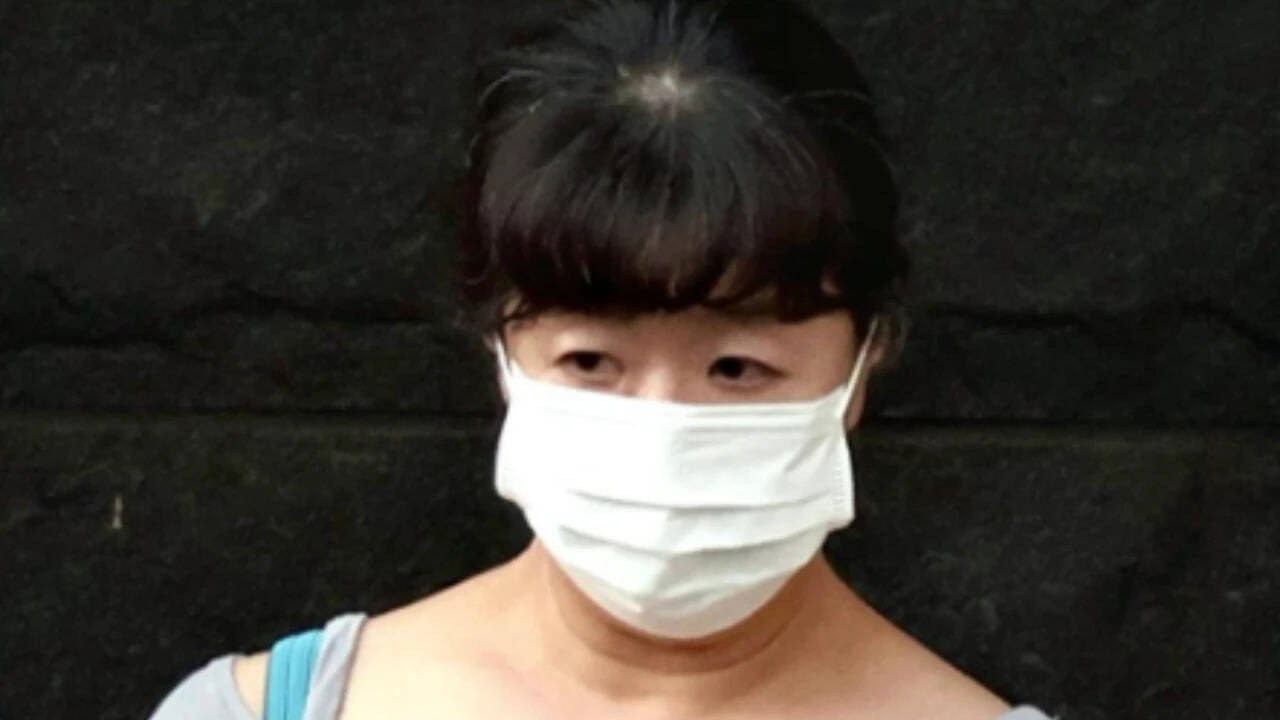
This video report on the case details the shocking arrest of the Chiba healthcare worker and the initial community reaction to the horrifying allegations.