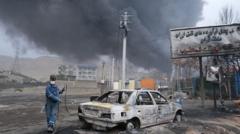
The explosions that ripped through Iranian oil infrastructure recently were not merely tactical strikes. They were a calculated dismantling of the nation’s economic life support. When witnesses describe the sky turning a bruised, chemical orange at midnight, they are describing the physical manifestation of a massive transfer of geopolitical leverage. This wasn't a warning shot. It was a structural reconfiguration of the Middle East's energy map.
While mainstream reports focus on the immediate chaos and the visual spectacle of burning depots, the true story lies in the precision of the degradation. This campaign targeted the "midstream" vulnerabilities—the specific nodes where crude oil is refined into the fuel that keeps the Iranian military mobile and the domestic economy breathing. By hitting these high-pressure points, the architects of these strikes have forced Tehran into a desperate logistical corner that no amount of revolutionary rhetoric can fix.
The Engineering of an Energy Crisis
Modern refineries are not just clusters of tanks; they are sensitive, high-pressure chemical environments. When a strike hits a catalytic cracking unit or a distillation tower, the damage is rarely localized. The heat alone can warp structural steel and destroy specialized sensors that cannot be easily replaced under a heavy sanctions regime.
Iran’s problem is one of parts and expertise. Much of their infrastructure relies on aging Western technology or Chinese iterations of that technology. You cannot simply patch a hole in a high-pressure reactor with local materials. The precision of these strikes suggests a deep intelligence regarding the specific "choke points" within the refineries—units that, if destroyed, render the entire facility useless for months or even years.
The immediate result is a massive spike in domestic fuel prices. When the state can no longer provide subsidized petrol, the social contract begins to fray. We have seen this pattern before. Economic desperation leads to domestic unrest, which in turn forces the security apparatus to pivot away from external ambitions to focus on internal survival.
Beyond the Fireballs
The markets reacted with predictable volatility, but the long-term implications for global oil flow are more nuanced. Iran has spent years perfecting a "ghost fleet" of tankers to circumvent international restrictions. However, a ghost fleet is useless if the loading terminals are mangled.
The Loading Terminal Vulnerability
- Kharg Island Risks: Roughly 90% of Iran's oil exports pass through this single point in the Persian Gulf.
- The Logistics of Repair: Under current trade restrictions, sourcing the specialized pumps and valves needed to restore a terminal can take upwards of eighteen months.
- Secondary Effects: The environmental impact of these strikes creates a massive cleanup burden that diverts man-hours and capital away from reconstruction.
This is a war of attrition played out in the language of industrial engineering. By targeting the ability to export, the strikes dry up the hard currency needed to fund proxy groups across the region. It is a bank robbery where the vault is burned rather than emptied.
The Intelligence Failure and the Technical Gap
One must ask how these strikes bypassed some of the most densified air defense networks in the region. The answer likely lies in the intersection of electronic warfare and low-profile kinetic delivery.
The Iranian military has invested heavily in Russian-made S-300 systems and domestic variants like the Bavar-373. These are formidable against traditional high-altitude threats. However, they struggle against coordinated swarms and "low-and-slow" munitions that hug the terrain to avoid radar detection. If the strikes were indeed as precise as satellite imagery suggests, it indicates a total failure of the early warning systems meant to protect the state’s most valuable assets.
The Economic Aftermath
The ripples of these strikes extend far beyond the Iranian border. China, the primary buyer of Iranian "discounted" crude, now faces a supply disruption that forces it to look elsewhere. This puts upward pressure on Brent crude, even as global demand fluctuates.
Global Market Reaction
| Metric | Pre-Strike Level | Post-Strike Peak |
|---|---|---|
| Brent Crude Price | $74.50 | $82.10 |
| Insurance Premiums (Gulf Shipping) | Standard | +15% Surcharge |
| Tanker Spot Rates | Moderate | High Volatility |
For the average Iranian, the math is simpler and more brutal. The rial loses value as the promise of oil revenue vanishes. Inflation, already a persistent predator in the Iranian economy, moves from a crawl to a sprint. When the lights go out because the power plants lack the refined fuel to operate, the geopolitical becomes personal.
A New Doctrine of Engagement
We are witnessing the end of the "proportional response" era. For decades, conflict in this region followed a predictable rhythm of escalation and de-escalation. That rhythm is broken. The current strategy appears to be the total removal of the opponent's ability to fund a modern war.
This isn't about winning a single battle; it is about bankrupting an ideology by destroying its physical foundation. The "night turned into day" because the very substance that gave the regime its power was being converted into heat and light in a matter of seconds.
The move away from targeting personnel toward targeting high-value, hard-to-replace industrial assets marks a shift in how modern states settle old scores. It is cleaner in terms of immediate casualties, but far more devastating in its long-term impact on a nation's sovereignty. A country that cannot refine its own oil is a country that cannot move its tanks, fly its jets, or feed its cities without external permission.
The Logistics of the Long Game
Tehran’s response has been to decentralize its storage and double down on its domestic drone production. But you cannot build a refinery in a basement. You cannot hide a massive oil terminal in a mountain range. The sheer scale of energy infrastructure makes it an impossible target to defend against a technologically superior adversary.
The coming weeks will reveal the true extent of the damage as satellite imagery becomes clearer and the smoke clears. If the "cracking" units were the primary targets, Iran will be forced to import refined fuel from its few remaining allies—a humiliating and expensive reversal for an oil-rich nation.
Monitor the movement of Chinese VLCCs (Very Large Crude Carriers) in the coming days. If they begin to divert away from Iranian ports toward other regional exporters, it will be the clearest sign yet that the damage is not just cosmetic, but terminal for the current export cycle.
Watch the pump prices in Tehran. They are the most accurate barometer of whether the regime can weather this storm or if the fire at the depots has ignited a larger domestic conflagration.
The next time the sky glows orange over the Persian Gulf, don't look at the flames. Look at the balance sheets. That is where the real war is being won.
Check the latest satellite data for Kharg Island to see if the berth activity has stalled entirely.