The morning sun over Chiang Mai should be a gold coin tossed against a silk-blue sky. Instead, it is a pale, sickly disc, struggling to burn through a curtain of opaque grey. It looks like a cataract on the eye of the world.
You wake up and the first thing you notice isn't the sound of the birds or the distant hum of a motorbike. It is the taste. It is metallic, bitter, and thick, like swallowing a handful of old pennies and charcoal dust. You reach for the air purifier. The digital display glows a panicked red, screaming a number that would cause a national emergency in London or New York: 400.
PM2.5.
To the scientists, it is particulate matter less than 2.5 micrometers in diameter. To a mother in Northern Thailand, it is the invisible thief that steals her daughter’s breath. These particles are small enough to bypass the body's defenses, slipping through the lungs and entering the bloodstream. They don't just cause a cough. They trigger systemic war inside the veins.
Consider a hypothetical child named Mali. She is six. She likes bright hair ribbons and knows the names of all the stray cats on her soi. For three months of the year, Mali’s world shrinks to the size of a single bedroom equipped with a HEPA filter. But even there, the enemy finds her.
One morning, Mali wakes up and cries out. Her pillow is stained with a sudden, vivid crimson. The dry, toxic air has eroded the delicate lining of her nasal passages until the capillaries simply gave up. Her mother, frantic, presses a cold cloth to the girl's face. This is not an isolated tragedy. Across the "Rose of the North," thousands of parents are performing this same ritual. The hospitals are full of children with nebulizers strapped to their faces, their small chests heaving in a desperate rhythm.
This is the burning season.
The Geometry of a Trap
Chiang Mai sits in a bowl. It is a stunning geographic feature that has, in recent years, turned into a topographical cage. To the west, the Doi Suthep mountain range rises like a green wall. When the cool air of the dry season settles into the valley, it creates a temperature inversion. A lid of warm air sits on top of the cold air in the basin, trapping everything beneath it.
Every exhaust fume, every puff of cigarette smoke, and—most crucially—the smoke from a thousand fires stays exactly where it is.
But where do the fires come from? It is easy to point a finger at the local farmer clearing a patch of land for corn. It is much harder to look at the global supply chains that demand cheap animal feed. The mountains of Northern Thailand and the neighboring highlands in Laos and Myanmar are being scorched to make room for maize. Huge corporations provide the seeds and the fertilizer, then buy back the crop. The farmers, caught in a cycle of debt and necessity, use fire because it is the only tool they can afford to clear the steep, rugged terrain.
We are breathing the consequences of a dinner plate ten thousand miles away.
A Slow Erosion of the Soul
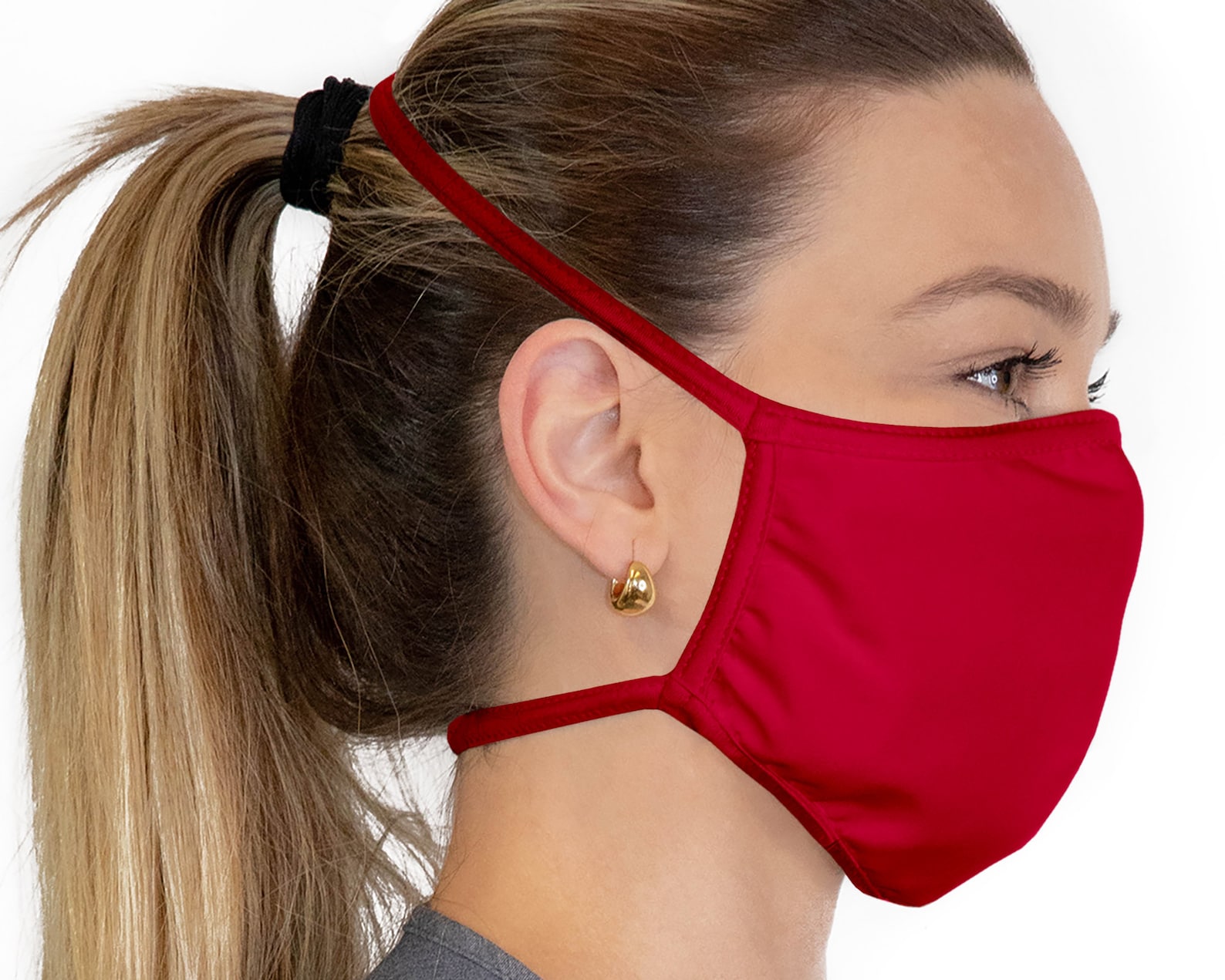
Living through the haze is a lesson in psychological attrition. In the beginning, there is anger. You buy the expensive N95 masks. You check the Air Quality Index (AQI) apps every ten minutes as if the act of looking could lower the numbers. You join the protest groups.
Then comes the fatigue.
The city’s vibrant street life—the very thing that makes Chiang Mai a global destination—withers. The night markets feel like ghost towns. The digital nomads, once a permanent fixture in the coffee shops, flee to the islands in the south. The locals remain. They have nowhere else to go.
The health implications are a ticking clock. Doctors in the region are seeing a terrifying spike in lung cancer among non-smokers. It turns out that breathing this air for three months is the equivalent of smoking a pack of cigarettes every single day. For a toddler, the math is even more grim. Their lungs are still developing, their respiratory rates are faster, and their stature places them closer to the ground where some of the heaviest pollutants settle.
We talk about the "invisible stakes," but they are visible if you know where to look. They are in the red-rimmed eyes of the tuk-tuk drivers. They are in the withered gardens where plants are choked by a layer of grey soot. They are in the silence of the playgrounds.
The Myth of the Individual Solution
There is a pervasive lie that we can buy our way out of this. We buy "smart" masks. We install air quality monitors in every room. We create "clean air rooms" in public schools.
But these are bandages on a gash that requires stitches.
The problem is systemic, reaching across borders that smoke doesn't recognize. The "ASEAN Transboundary Haze" is a phrase that sounds like a dry bureaucratic hurdle, but it is actually a confession of failure. Diplomacy moves at the speed of a glacier, while the fires move at the speed of a gale.
When you speak to the elders in the villages, they remember a different Chiang Mai. They remember a time when the mountains were visible all year round. They remember when the transition from the cool season to the hot season was marked by the scent of blooming jasmine, not the stench of a crematorium.
The loss of the horizon is a profound grief. When you cannot see the mountains that define your home, you lose your sense of place. You become untethered. The grey wall doesn't just block the view; it blocks the future.
The Cost of Silence
Why isn't there more noise? Why aren't the streets filled with people demanding change?
Tourism is the lifeblood of the region. There is a delicate, desperate hope that if we don't talk about it too loudly, the tourists will keep coming. We put up "Visit Chiang Mai" posters that show the city under a pristine blue sky that hasn't existed in March for a decade. We are gaslighting ourselves for the sake of the economy.
But the economy of a graveyard is a poor investment.
Last week, the wind shifted for a few hours. The grey veil parted, and for a brief moment, the peak of Doi Suthep appeared, shimmering and green. People stopped in the streets to look. They took photos as if they were witnessing an eclipse. It was a reminder of what has been stolen.
Mali’s nosebleed eventually stopped. Her mother washed the pillowcase, scrubbing at the stubborn pink stains. She will keep the windows shut. She will run the noisy machine in the corner of the room. She will wait for the rain.
The rain is the only thing that helps. When the monsoon finally breaks, it washes the sky clean. The first downpour smells like wet earth and salvation. People run out into the streets, tilting their heads back, opening their mouths to the sky.
Until then, they live in the grey. They watch the AQI numbers rise like a fever. They tuck their children into bed and listen to the rhythmic, raspy sound of a generation learning to breathe through a filter.
The sun is setting now. It isn't a sunset of oranges and purples. It is a dull, bruised crimson, disappearing into the smog before it even hits the horizon. There is no glow. There is only the creeping dark and the persistent, nagging itch at the back of the throat that tells you: you are still here, and you are still breathing the fire.