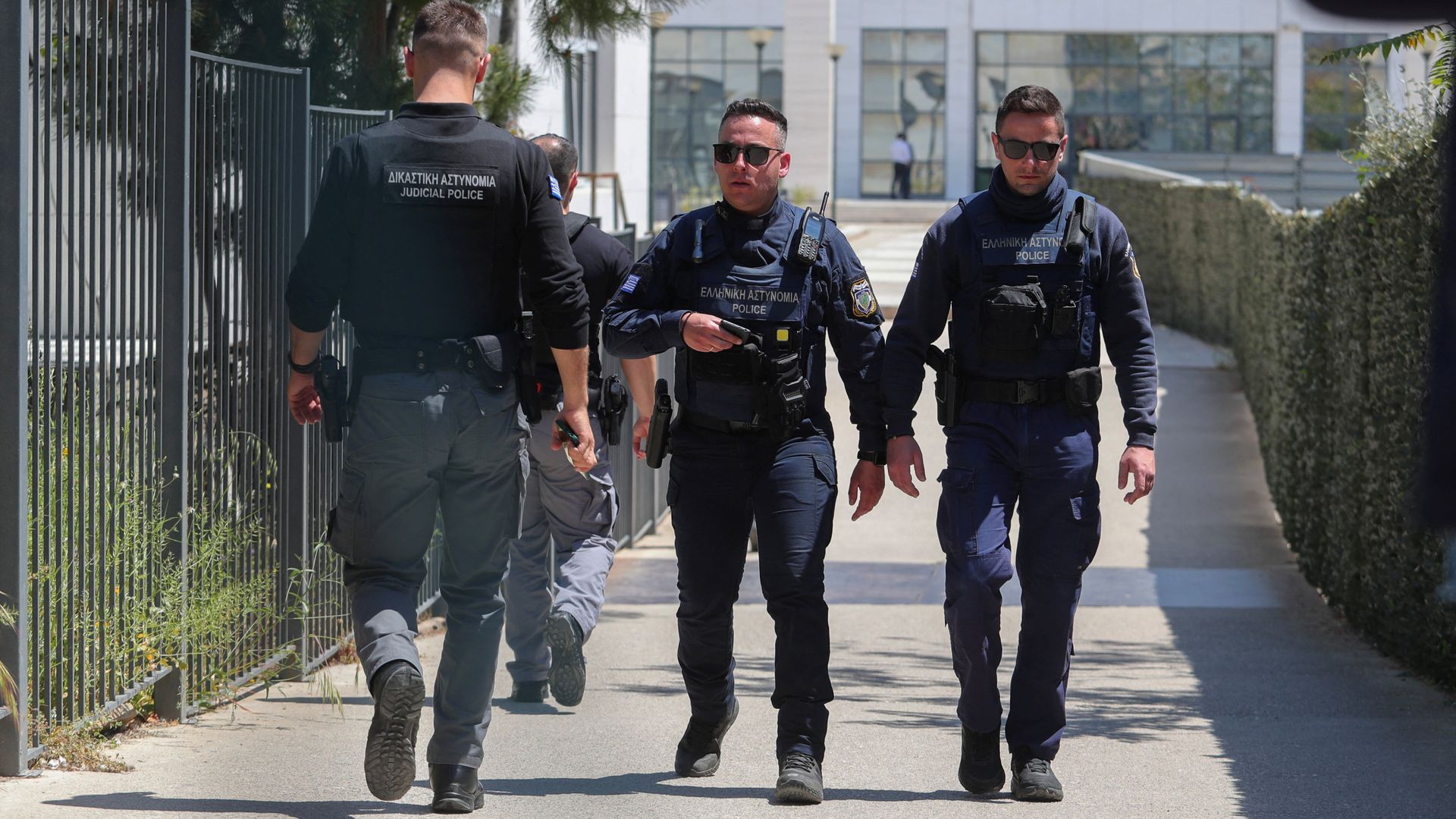
Authorities have officially charged 24-year-old Jayden Harrison with attempted murder and firearms offenses following the chaotic shooting outside the Washington Hilton during the White House Correspondents’ Association (WHCA) dinner. While the legal machinery begins to grind against the suspect, the event has exposed a staggering vulnerability in how the nation’s capital secures high-profile gatherings where the political and media elite converge. Simultaneously, the diplomatic world is shifting its gaze toward a historic development in the Special Relationship as King Charles III prepares to address a joint session of Congress. These two events, though seemingly disparate, highlight a moment of profound tension and transition within the halls of power.
The Breach at the Hilton
The shooting did not happen in a vacuum. For years, security experts have warned that the sidewalk "red carpet" entrance at the Washington Hilton—a site famously associated with the 1981 attempted assassination of Ronald Reagan—represents a persistent tactical nightmare. Jayden Harrison allegedly exploited this exact vulnerability. Investigations reveal that the shooter positioned himself within a crowd of protesters and onlookers, using the noise of the demonstration to mask his initial movements.
The Secret Service and Metropolitan Police Department (MPD) now face grueling questions about the perimeter’s integrity. If a lone gunman can discharge a weapon within earshot of the President and the entire Cabinet, the bubble is not just thin; it is bursting. Sources within the MPD indicate that radio frequency interference may have delayed the initial response by seconds. Seconds are the difference between a controlled situation and a tragedy.
Chasing the Motivation
Law enforcement officials are currently scouring Harrison’s digital footprint to determine if this was a targeted political statement or the act of a disturbed individual seeking a global stage. Preliminary evidence suggests a history of radicalization through fringe online forums, yet no specific group has claimed him. This ambiguity is perhaps the most frightening aspect for the intelligence community. We are no longer dealing solely with organized threats, but with "lone actors" who weaponize public events to broadcast their personal grievances to a captive, high-profile audience.
A Royal Summons to the Capitol
Across the Atlantic, the narrative shifts from the violence of the street to the choreographed precision of the state. King Charles III’s upcoming address to Congress marks a pivotal moment for the British Monarchy. It is not merely a ceremonial visit. This is a strategic deployment of "soft power" at a time when the United Kingdom is desperate to reaffirm its relevance in a post-Brexit world and a rapidly changing geopolitical environment.
The King follows in the footsteps of his mother, Queen Elizabeth II, who addressed Congress in 1991. However, the world Charles inhabits is far more fractured. His speech is expected to move beyond the traditional platitudes of shared history. Instead, he will likely focus on the climate crisis and global security—issues where he has spent decades building a personal brand of expertise.
Navigating the Political Minefield
The invitation, extended by Congressional leadership, was not without its detractors. A small but vocal group of lawmakers has questioned the necessity of hosting a foreign monarch during a period of domestic economic strain. Yet, the leadership understands something the critics ignore. The Special Relationship remains the bedrock of Western intelligence sharing and military cooperation.
Charles is expected to use the podium to lobby for continued American engagement in European security. With the conflict in Ukraine dragging into a stalemate and the Middle East in a state of perpetual flux, the King’s voice serves as a bridge between the American executive branch and the broader European community. He isn't just a King; he is a seasoned diplomat in a crown.
The Cost of Public Access
The WHCA shooting forces a brutal reassessment of how the "nerd prom" and similar events function. We are entering an era where the proximity of the public to their leaders is being viewed as an unacceptable risk. There is already quiet talk among event organizers about moving the dinner to a more secluded, fortified location, such as a military installation or a remote resort.
This move would be a disaster for transparency. When the press and the presidency retreat behind high walls and armored glass, the distance between the governed and the governors grows. The shooting provides the perfect excuse for those who already want to limit media access to hide behind the veil of "security protocols."
The Evolution of the Threat
Security isn't just about more boots on the ground or better metal detectors. It is about anticipating the evolution of the threat. The suspect in the Hilton shooting didn't need to enter the building to cause a national security crisis. He only needed to be close enough to shatter the illusion of safety.
Modern protective details are now grappling with a hybrid threat environment. They must monitor physical crowds while simultaneously tracking real-time digital threats. The failure at the Hilton suggests that the coordination between these two disciplines is still lagging. The shooter was "known" to local authorities for previous low-level disruptions, yet he was allowed to stand within feet of a presidential motorcade route with a concealed weapon.
Rebuilding the Transatlantic Bridge
While Washington cleans up its streets, the diplomatic preparation for the Royal visit is reaching a fever pitch. This visit is about more than just a speech; it is about the trade deals and defense pacts that happen in the margins. The UK is pushing for deeper integration with American tech sectors, specifically in artificial intelligence and green energy.
Economic Interdependence is the quiet engine of this visit. By sending the King, the British government is signaling that they are playing their highest card. They are betting that the prestige of the monarchy can still open doors that politicians cannot.
The Contrast of Power
The image of Jayden Harrison in a courtroom stands in stark contrast to the image of King Charles III standing before the House and Senate. One represents the breakdown of the social contract and the rise of individual chaos. The other represents the enduring, if aging, structure of international order.
Washington finds itself at the center of both. It is a city that must now prove it can protect its own citizens and guests while simultaneously leading a global coalition through a period of historic instability. The security failures at the Hilton cannot be ignored or buried in a news cycle. They must be dissected with the same rigor that the State Department is applying to the King’s itinerary.
The Hard Reality for 2026
The charges against Harrison will likely result in a lengthy prison sentence, but the damage to the American psyche is harder to repair. We have reached a point where every public gathering is a potential battlefield. The WHCA dinner shooting wasn't a fluke; it was a demonstration of a systemic flaw in our urban security doctrine.
The King's address will provide a temporary distraction, a moment of high-church statecraft to remind us of the "civilized" world. But when the applause in the House Chamber fades and the royal motorcade departs, the fundamental problem remains. We are a society that is increasingly difficult to secure because the threats are becoming more decentralized and harder to predict.
Law enforcement agencies must stop planning for the last attack and start imagining the next one. This means better intelligence sharing between federal and local levels and a complete overhaul of how we manage "open" events in the nation’s capital. The era of the accessible politician is ending, sacrificed on the altar of public safety.
If the authorities fail to bridge the gap between intelligence and action, the next Jayden Harrison won't just be a "shooter charged"—he will be a national tragedy that could have been prevented. The focus must remain on the granular details of the investigation, ensuring that every missed signal is identified and every procedural hole is plugged before the next red carpet is rolled out.
Secure the perimeter or lose the public square.