The ceasefire between Israel and Hezbollah might have stopped the missiles, but it didn't stop the screaming in Sidon. You see the headlines about diplomatic wins and regional cooling. They talk about "restoration" and "return." But walk through the streets of Sidon—specifically the areas shredded by Israeli strikes—and you'll realize the war isn't over for the people living there. It’s just quieter.
Sidon wasn't just a random target. It’s a coastal hub, a gateway to the south, and a city that thought its historic status might offer a thin layer of protection. It didn't. When the Israeli Air Force targeted what they claimed were Hezbollah financial hubs and operational centers within the city, the reality on the ground was far messier. It was blocks of apartments turned into gray dust. It was the smell of cordite and rot.
Why Sidon matters in the aftermath
Sidon sits roughly 40 kilometers south of Beirut. It’s ancient. It’s stubborn. During the height of the recent escalations, the city became a bottleneck for the displaced. Thousands fled from further south, thinking Sidon was the "safe" middle ground. When the strikes hit the city itself, that illusion of safety shattered.
The ceasefire didn't fix the geography of grief. People are returning to find their livelihoods pulverized. You don't just "bounce back" when your shop is a hole in the ground and your neighbors are buried in the local cemetery. The economic impact is staggering. We're talking about a city that was already struggling under Lebanon's multi-year financial collapse. Now, they have to rebuild with money that doesn't exist.
The horror they won't forget
Residents describe the strikes as a physical weight. It’s not just the sound. It’s the pressure wave that kicks the air out of your lungs. Many locals recall the strike on the Haret Saida neighborhood. It wasn't a precision hit in the way military press releases describe. It was a massacre of infrastructure.
Families were huddled in lower floors. They thought they were being smart. Then the building next door went, and then theirs. One resident, a father who spent three days digging for his belongings, told reporters that the silence after the ceasefire felt "louder" than the bombs. Why? Because in the silence, you start to count what you lost.
The Israeli military maintains that it targeted Hezbollah infrastructure. This is the standard line. But for the civilians in Sidon, the nuance of who was being targeted matters very little when your child is traumatized by the sound of a closing door. The psychological scarring is deep. It’s a collective PTSD that a signature on a piece of paper in a foreign capital cannot heal.
The infrastructure of a ghost town
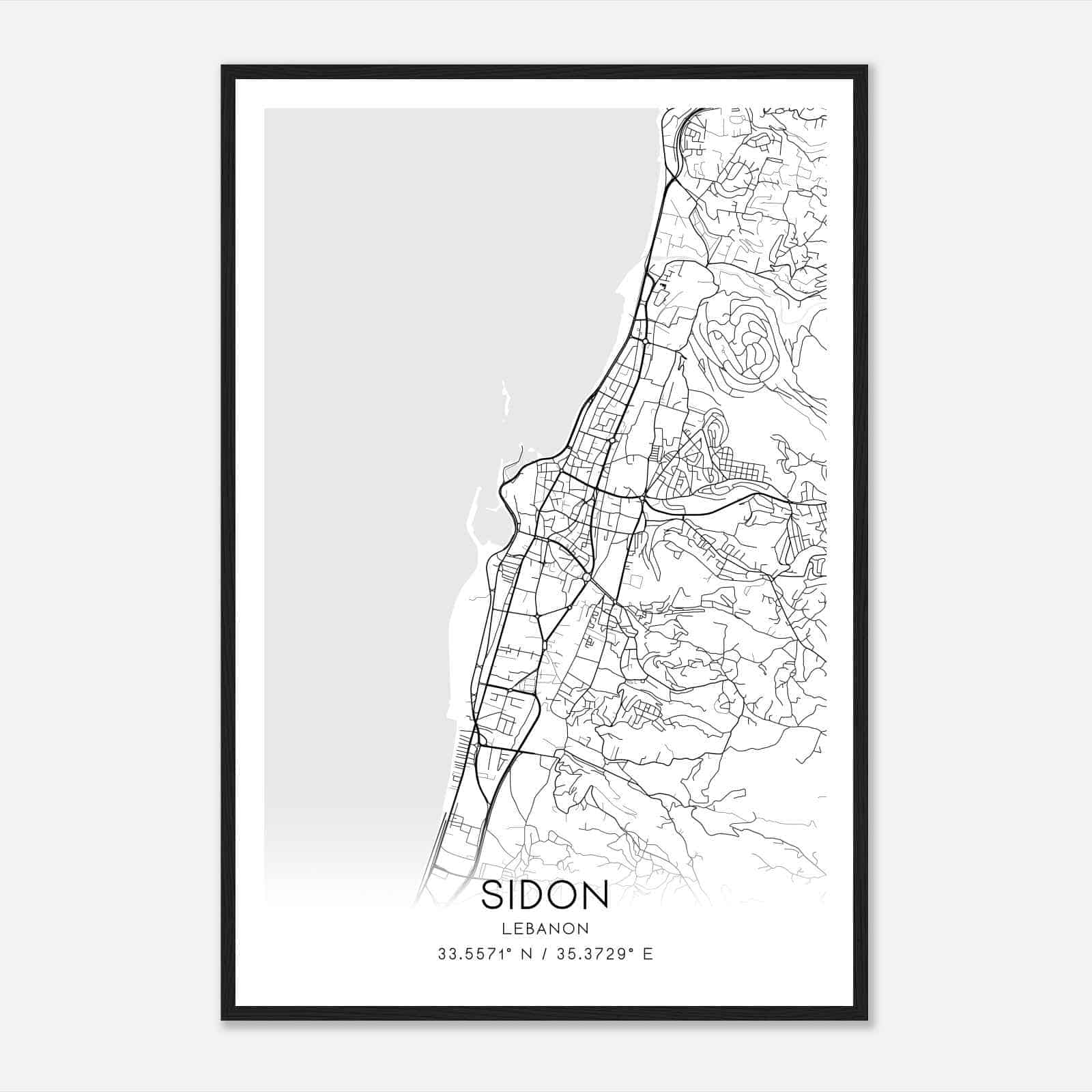
It’s easy to look at a map and see a city. It’s harder to look at a city and see the broken veins of its existence. The strikes didn't just hit buildings; they hit the soul of Sidon’s commerce. The markets, the small workshops, the fishing port—everything is shadowed by the fear of a return to violence.
- Water and Power: Even before the strikes, Lebanon’s grid was a joke. Now, in the hit zones of Sidon, it’s nonexistent.
- The Housing Crisis: Thousands are now "internally displaced" within their own city. They aren't in camps; they’re sleeping on the floors of relatives or in damaged shells of apartments.
- The Health Burden: Local hospitals like the Hammoud Hospital University Medical Center were pushed to the brink. They’re still dealing with the long-term injuries—the amputations, the burns, the infections.
Lebanon’s government is essentially broke. They can't fund a massive reconstruction effort. This leaves the residents of Sidon reliant on international NGOs and, inevitably, the very political factions that were involved in the conflict. This creates a cycle of dependency that is hard to break.
The politics of the rubble
There’s a cynical reality here. Rebuilding is a political tool. In the wake of the ceasefire, various factions are racing to show they can provide for the people. This isn't just about charity. It’s about "hearts and minds."
The residents know this. They aren't stupid. They’ve lived through decades of proxy wars and internal strife. They take the help because they have to, but there’s a growing resentment toward everyone. Toward Israel for the destruction. Toward Hezbollah for the pretext. Toward the Lebanese state for its total absence.
The "horror" isn't just the memory of the explosion. It’s the realization that you’re a pawn in a game played by people who don't know your name. Sidon’s residents are tired. They’re beyond tired.
What the media gets wrong about the ceasefire
Most news outlets frame a ceasefire as an end point. It’s not. It’s a transition into a different kind of struggle. In Sidon, the "aftermath" is a grueling, daily grind of clearing debris by hand because there aren't enough bulldozers. It’s trying to find clean water in a city where the pipes are shattered.
The media likes the drama of the explosion. They don't like the boredom of the recovery. But the recovery is where the real story lives. It’s in the grandmother who refuses to leave her porch even though the rest of the house is gone. It’s in the kids playing soccer in the shadow of a bombed-out school.
Taking the next steps for Sidon
If you actually want to understand what's happening or how to help, you have to look past the political grandstanding. The needs are basic and immediate.
- Direct Aid: Support organizations like the Lebanese Red Cross or local Sidon-based NGOs that are actually on the ground. They don't have the overhead of the massive international groups.
- Documenting the Damage: Independent journalists are trying to map the actual civilian toll. This is crucial for future accountability, regardless of which side of the border you stand on.
- Economic Support: If you’re in Lebanon, go to Sidon. Buy from the local markets. Keep the small amount of remaining commerce alive.
The people of Sidon don't want your pity. They want their lives back. They want a city that doesn't feel like a target. The ceasefire gave them a breath of air, but they’re still underwater. The horror hasn't left the streets; it’s just moved into the shadows of the ruins, waiting to see if the peace is real or just a pause before the next round of devastation.


