The silence is what wakes you up. In Havana, the city is never truly quiet; it is a layered composition of vintage engines, shouting vendors, and the rhythmic slap of dominoes on wood. But when the grid fails, a heavy, artificial stillness drops over the neighborhood. The hum of the old Soviet-era refrigerator cuts out. The fan that was desperately pushing humid air across your skin stutters to a halt.
In that sudden vacuum of sound, you realize the clock has started ticking. Not the clock on the wall—that stopped at 2:14 AM—but a biological and chemical countdown.
For Maria, a retired teacher living in a fourth-floor walk-up in Central Havana, that silence is the sound of a looming medical emergency. She doesn't think about "infrastructure collapse" or "thermoelectric plant deficits." She thinks about the small glass vial of insulin sitting in the butter compartment of her fridge. Without power, the interior temperature begins to climb. The heat of the Caribbean sun is already waiting at the window, ready to turn her kitchen into an oven.
This is the reality of the Cuban energy crisis. It is not a series of data points on a government spreadsheet. It is a slow-motion catastrophe where the "invisible stakes" are measured in spoiled medicine, rotten meat, and the rising blood pressure of a population pushed to the brink of exhaustion.
The Anatomy of a Failing Pulse
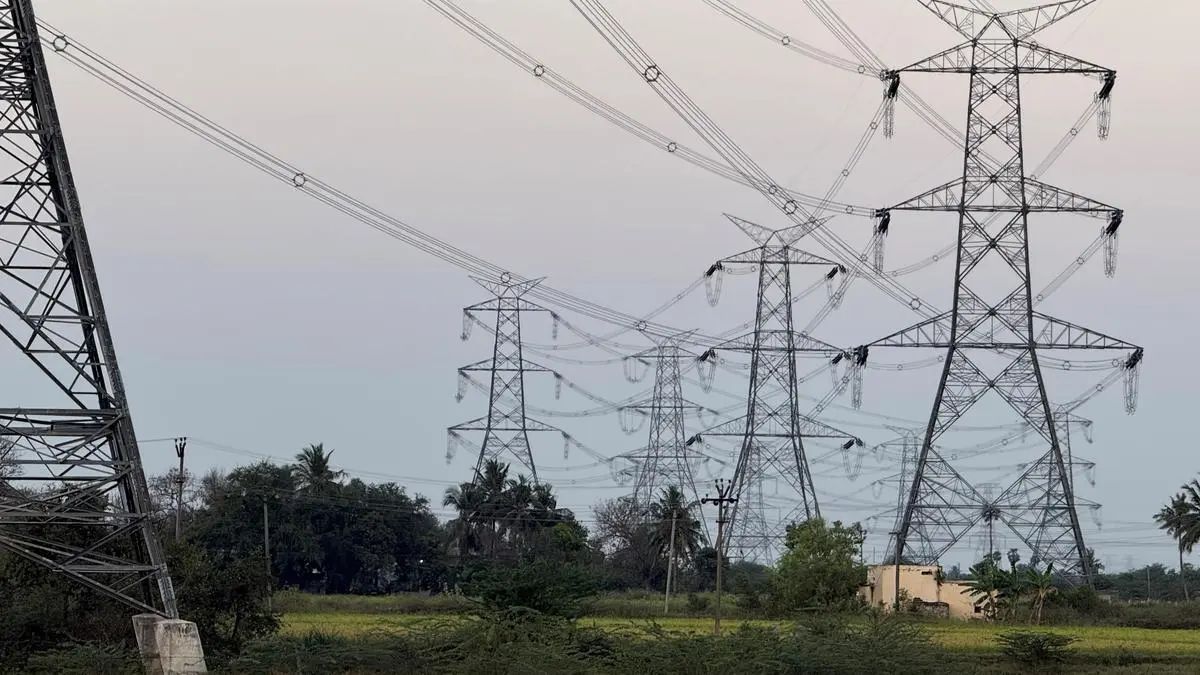
To understand why the lights go out, you have to look at the bones of the island. Cuba’s energy grid is a Frankenstein’s monster of aging technology. The backbone consists of seven major thermoelectric plants, most of which were built using Soviet designs from the 1970s and 80s. These facilities were designed to last 25 years. They are now entering their fifth decade.
Imagine driving a car from 1975 across the country every single day without ever stopping for a full tune-up. Eventually, the patches on the radiator won't hold. The fan belt is more electrical tape than rubber.
When the Antonio Guiteras plant—the country’s largest—trips and goes offline, it isn't just a technical glitch. It is a systemic seizure. Because the grid is so fragile, one plant's failure creates a "domino effect," dragging down other smaller units that cannot handle the sudden shift in load. In October 2024, the entire national grid collapsed into total darkness, leaving ten million people in a state of suspended animation.
But the "facts" of the blackout are secondary to the sensory experience of living through it.
Consider the water. Most Cuban homes rely on electric pumps to move water from underground cisterns to rooftop tanks. No power means no pump. No pump means no gravity-fed water for toilets, showers, or cooking. Within 24 hours of a blackout, a modern city begins to feel medieval. People carry buckets up crumbling staircases. They ration every liter. Hygiene, once a point of national pride, becomes a luxury.
The Heat is a Physical Weight
In a tropical climate, electricity is the only thing that makes the indoors habitable. When the fans stop, the air thickens. It becomes a physical weight on your chest. For the elderly and the very young, this isn't just a matter of discomfort; it is a health risk.
Heatstroke doesn't always look like a dramatic collapse. It looks like the confusion in an eighty-year-old man’s eyes as he becomes dehydrated. It looks like the skin rashes on an infant who hasn't felt a cool breeze in three days. Doctors in Havana report a steady uptick in cardiovascular stress during prolonged outages. The heart has to work harder to cool the body. When you add the psychological stress of "When will it come back?" to the physical heat, the body begins to break.
Then there is the food. In a country where food security is already a daily struggle, the freezer is a vault. Families save for months to buy a few pounds of chicken or pork. When the power stays off for eighteen hours, then twenty-four, then thirty-six, that vault becomes a tomb.
The smell starts first. A faint, sweet rot.
Maria watches her neighbors. They don't talk about politics in the street during these hours; they talk about the charcoal. If the electric burners won't work, and the gas is low, they must cook everything they have before it turns. You see them on the sidewalks, huddled over makeshift grills, frying every scrap of meat they own in a desperate race against the bacteria. It is a feast born of tragedy. They eat until they are uncomfortably full because the alternative is throwing their life savings into the trash.
The Invisible Economy of Light
We often think of "The Economy" as something that happens in banks or on trading floors. In Cuba, the economy is a series of tiny, fragile links.
The barber cannot cut hair without his electric clippers. The seamstress cannot run her machine. The small cafeteria owner loses his entire inventory of ham and cheese. When the lights go out, the private sector—the "mipymes" that were supposed to be the island's economic lifeline—simply ceases to function.
Money doesn't just stop flowing; it evaporates.
The government points to the "blockade" and the rising cost of fuel. These are real factors. Buying oil on the international market is nearly impossible when your credit is shot and your primary ally, Venezuela, is struggling to meet its own quotas. But for the person sitting in the dark, the "why" matters less than the "how." How do I keep my grandmother's oxygen concentrator running? How do I explain to a five-year-old why we are eating dinner by the flickering light of a homemade kerosene lamp that fills the room with black smoke?
The Psychology of the Flicker
There is a specific cruelty to the "flicker."
Sometimes, the power returns for an hour. The neighborhood erupts in a collective cheer—"¡Llegó la luz!"—and there is a frantic scramble. People dash to charge phones, pump water, and shove lukewarm bottles back into the freezer. It is a high-stakes sprint.
Then, twenty minutes later, the bulb dims and dies.
That second darkness is always heavier than the first. It carries the weight of a broken promise. This cycle of hope and disappointment creates a state of chronic hyper-vigilance. You cannot sleep deeply because you are waiting for the sound of the fan to return, or the sound of it stopping again.
This is the hidden cost of the crisis: the erosion of the human spirit. When you cannot plan for the next six hours, you cannot plan for a future. The "brain drain"—the exodus of young Cubans to the shores of Florida or the jungles of the Darien Gap—is driven as much by the darkness as it is by the lack of pesos. They aren't just fleeing poverty; they are fleeing the silence of the refrigerator.
The Stakes are Under the Skin
As the sun sets over the Malecón, the seawall becomes a refuge. It is the only place where the breeze is free and the heat of the concrete buildings can be left behind. Thousands of people sit with their backs to the city and their faces to the salt spray.
They are looking toward a horizon they cannot reach, waiting for a morning that promises nothing but more of the same.
The crisis in Cuba is often framed as a geopolitical standoff or a failure of a specific ideology. But if you stand in Maria’s kitchen, it feels much more like a biological struggle. It is the story of the human body trying to maintain its equilibrium in a world where the external supports have all rotted away.
The insulin is still in the fridge. The thermometer is rising. Maria closes the door tight, hoping the insulation will hold for just one more hour. She sits in the dark, fanning herself with a piece of cardboard, listening to the silence, waiting for the hum that signifies life is allowed to resume.
Would you like me to look into the specific technical reasons why the Antonio Guiteras plant has become the single point of failure for the Cuban grid?