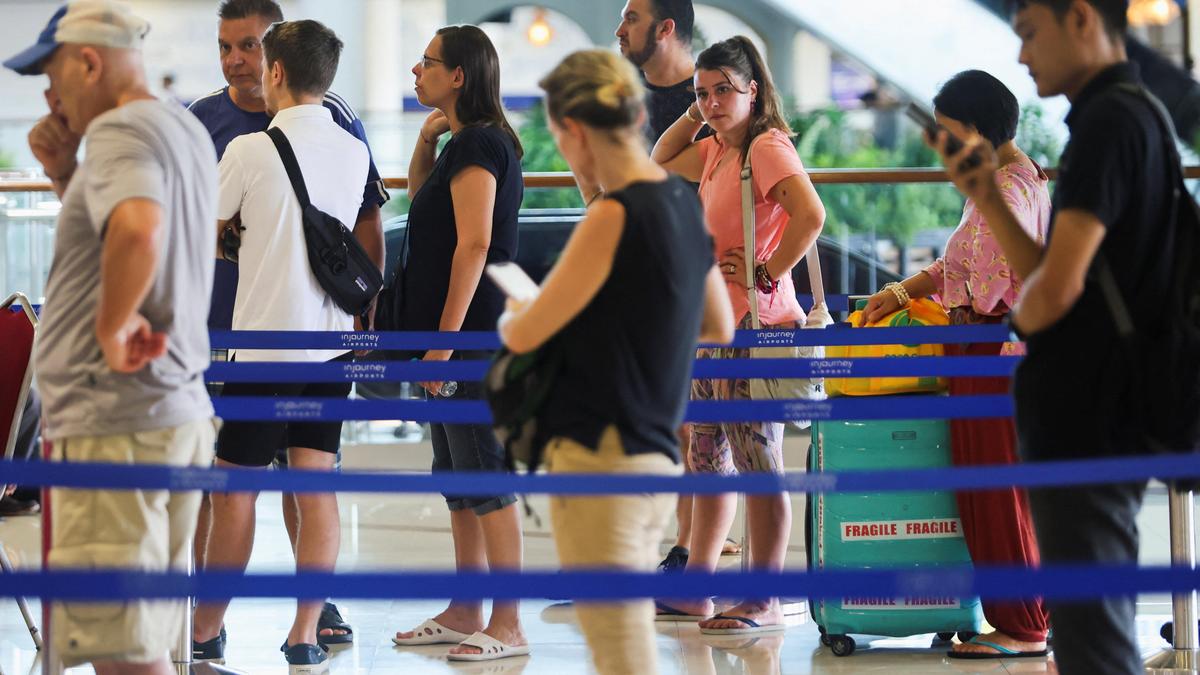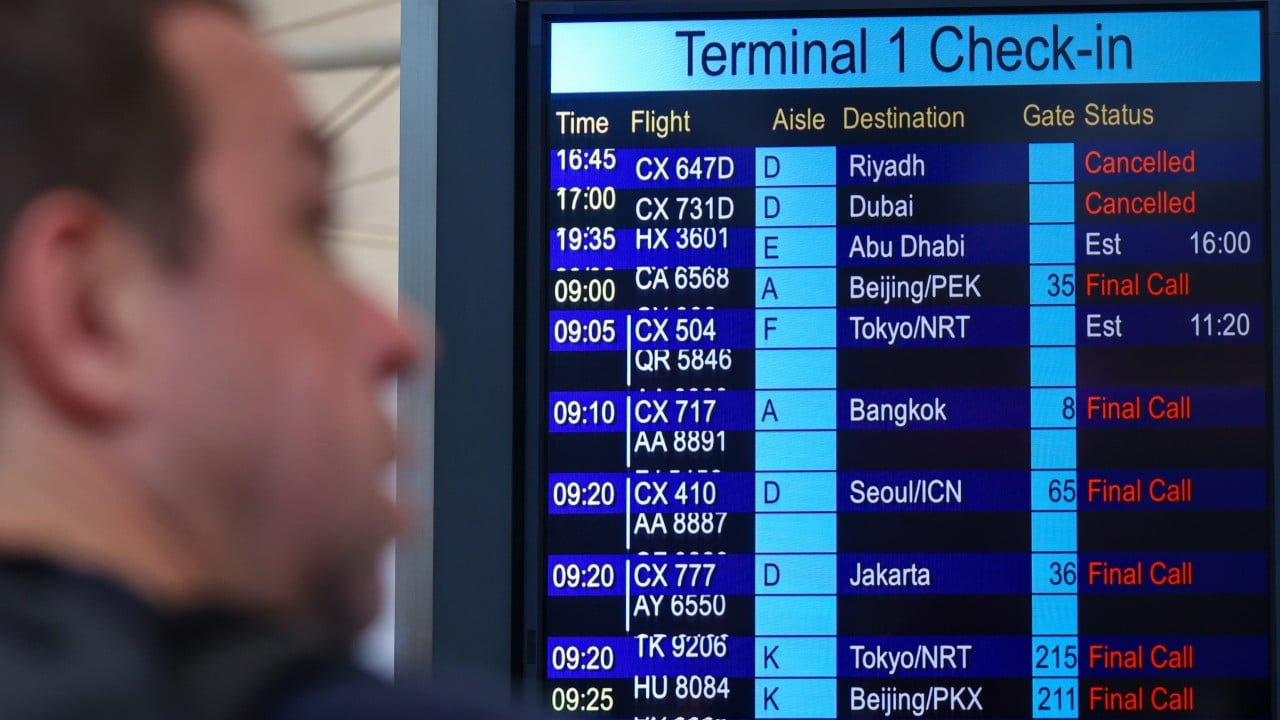
If you’re currently in Sri Lanka and your flight home involves a connection in the Middle East, you’ve likely spent the last 24 hours refreshing flight trackers with a growing sense of dread. The sudden escalation of conflict in the Middle East has turned one of the world’s busiest transit corridors into a no-fly zone. Flights are grounded, airspaces are locked tight, and thousands of travelers are stuck exactly where they didn't plan to be.
The good news? Sri Lanka isn't going to penalize you for a geopolitical crisis you didn't start. The Department of Immigration and Emigration just announced a free seven-day visa extension for foreign nationals stranded by these cancellations. It’s a rare move of administrative common sense in a chaotic week.
What the extension actually covers
This isn't a general "free week" for every tourist on the island. The concession is specifically targeted at travelers who were scheduled to depart on Middle East-bound flights starting from February 28, 2026, but found themselves stuck because of the regional airspace closures.
The Controller General of Immigration and Emigration made it clear that the goal is to prevent you from falling into "illegal" status. Usually, overstaying a visa in Sri Lanka—even by a day—results in hefty fines and a miserable afternoon in a government office. This seven-day grace period effectively pauses the clock, giving you a week from the original expiry date of your current visa to figure out a Plan B without a financial penalty hanging over your head.
Why the Middle East flight corridor collapsed
You don't need to be a defense analyst to see why the airlines hit the brakes. Following joint missile strikes by the United States and Israel on targets in Iran, the regional stability of the Middle East shifted overnight. Reports of major explosions in Tehran and the confirmed death of Iran’s Supreme Leader, Ayatollah Ali Khamenei, sent the aviation industry into a tailspin.
Major hubs like Abu Dhabi, Dubai, and Doha have seen massive disruptions. Airspaces over Iran, Israel, Iraq, and several neighboring countries are either fully closed or restricted to military use. For airlines like SriLankan, Emirates, and Qatar Airways, there simply isn't a safe way to thread the needle through that part of the world right now.
In India alone, over 440 flights were cancelled in a single day. In Sri Lanka, the impact is just as sharp. The island relies heavily on Middle Eastern hubs to connect to Europe and North America. When those hubs go dark, the "Island Paradise" can quickly feel like a very small cage for someone whose visa is about to run out.
How to claim your 7-day extension
The Department of Immigration hasn't made this a "blanket" automatic update for every passport in the system, so you still need to be proactive. If your flight was cancelled and your visa is expiring, don't just sit at a beach bar and hope for the best.
- Keep your documentation: Have your original flight booking and the cancellation notice from your airline ready. You need proof that you were supposed to leave.
- Contact the Department: The official advice is to get in touch with the Department of Immigration and Emigration. While their online portal (eservices.immigration.gov.lk) is generally the go-to for standard extensions, for this specific emergency concession, a visit to the head office in Battaramulla or a call to their hotline is safer to ensure your record is manually cleared.
- Check with your Embassy: Many embassies are currently coordinating with the Sri Lankan government to streamline this for their citizens.
Honestly, the last thing the Sri Lankan government wants is a backlog of thousands of "illegal" tourists who have no physical way to leave the country. This extension is as much about their administrative sanity as it is about your peace of mind.
Regional airlines and what they are offering
If you're flying with a major carrier, don't just wait for the visa extension—look at your rebooking options. Most airlines are offering full refunds or free rebooking, but "free" is a relative term when there are no seats available for the next ten days.
- Emirates and FlyDubai: Operations are currently suspended or heavily limited. They are advising passengers not to even head to the airport unless they have a confirmed flight status.
- SriLankan Airlines: They have cancelled several flights to the Middle East and are working on rerouting European flights through alternative, longer paths.
- Air India and Indigo: Massive cancellations across the board. If you were planning to transit through India to get home, expect delays there too.
The reality is that a seven-day extension might not be enough if the conflict continues to broaden. However, it buys you the most important thing right now: time. You can use this week to look at eastbound routes—perhaps flying through Singapore or Bangkok—to get back to Europe or the Americas, even if it costs a bit more.
Don't ignore the expiration date
It’s easy to think that "the government said it's okay," so you don't need to do anything. That's a mistake. If you don't have some form of official acknowledgement or if you don't regularize your stay within that seven-day window, you could still face issues at the airport when you eventually try to leave.
Sri Lanka's immigration officials are generally friendly, but the system is rigid. Use the next 48 hours to secure your extension. Check your airline's app every few hours, and if you're staying in a hotel, keep them informed. Many hotels in Colombo and the south coast are being flexible with "stranded" rates, though that's a case-by-case situation.
Get your paperwork in order, confirm your extension with the authorities in Battaramulla, and start looking at alternative routes that bypass the Middle East entirely. If the airspace stays closed for more than a week, the demand for seats on flights through Asia is going to skyrocket. Move fast.