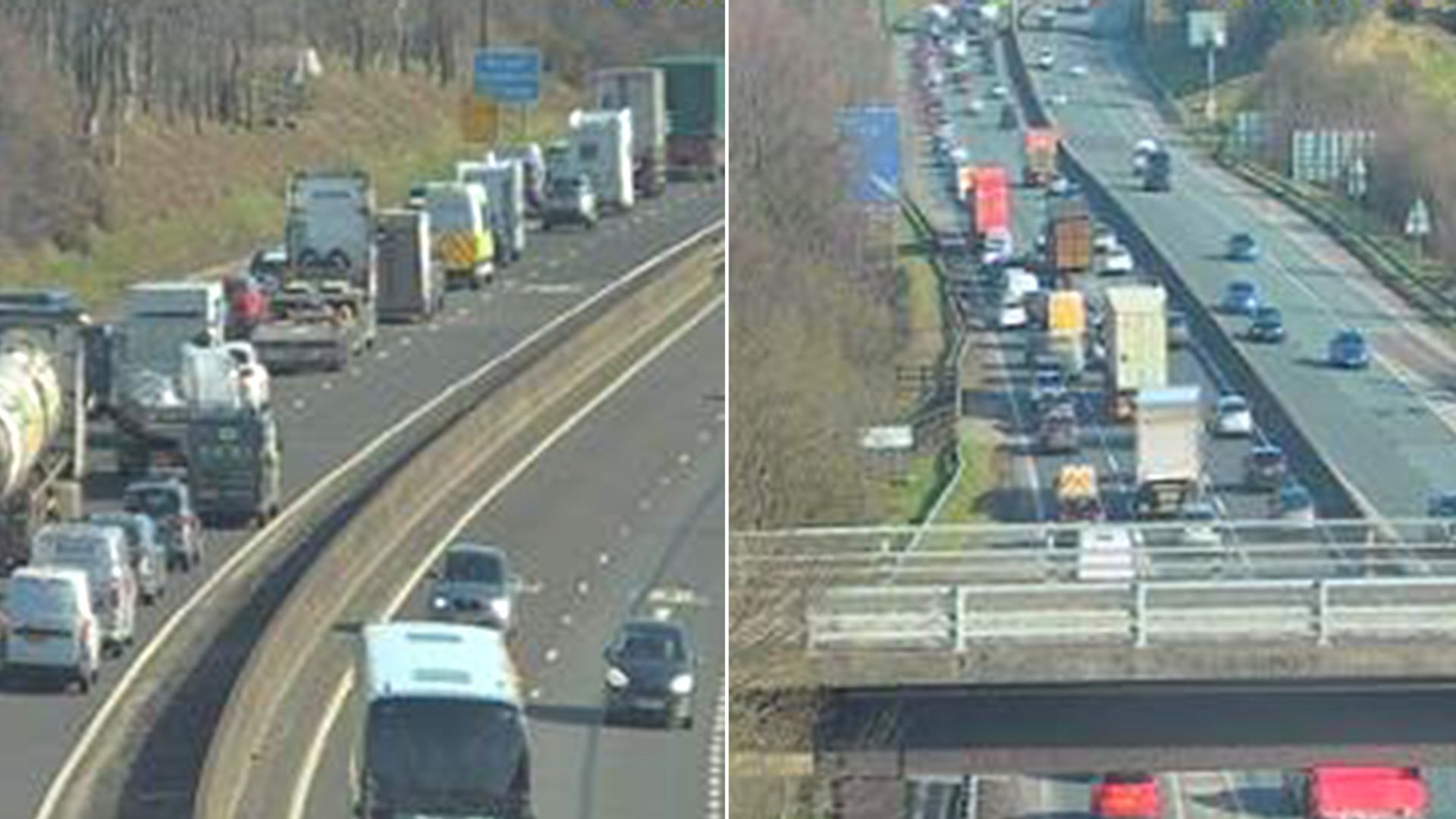
Standard reporting on motorway fatalities follows a tired, predictable script. A pedestrian is struck. A major artery is severed for fifteen hours. The public grumbles about traffic. The police appeal for witnesses. The unspoken subtext always points toward individual error—either a "reckless" driver or a "clueless" pedestrian.
This narrative is a lie. It is a convenient fiction that protects the engineers, planners, and policy-makers who designed these death traps. When a pedestrian dies on a high-speed motorway, we aren't looking at a tragedy. We are looking at a systemic failure of infrastructure that treats human biology as an afterthought.
The Fifteen Hour Delusion
The "fifteen-hour closure" isn't a byproduct of the accident; it’s a symptom of a bureaucratic paralysis. In any other industry, a critical failure in a primary distribution network would trigger an immediate, high-speed forensic recovery. On our motorways, we treat a crash site like a static museum.
While investigators measure skid marks with 1990s precision, the economic cost of the closure spirals. We are told this is for "justice." In reality, it is because our investigative protocols haven't evolved to match the velocity of modern logistics. We sacrifice billions in economic productivity because we refuse to automate accident reconstruction using drone-based photogrammetry and real-time sensor data. We are stuck in a manual mindset in a digital age.
The Myth of the "Pedestrian"
Let’s be brutally honest about the term "pedestrian" in the context of a motorway. A motorway is a closed system. It is a vacuum designed for 70mph+ kinetic energy. No one "walks" on a motorway for leisure.
Most motorway "pedestrians" are actually stranded motorists, victims of vehicle breakdowns, or individuals in the midst of a mental health crisis. By labeling them simply as "pedestrians," the media strips away the context of why they were there.
If a driver has to exit their vehicle because of a blown tire or an engine failure, they are immediately placed in a high-risk environment with zero physical protection. The hard shoulder is not a safe haven; it is a kill zone. Yet, we continue to roll out "Smart Motorways" that remove the hard shoulder entirely, trading human lives for a marginal increase in throughput.
Design is the Only Accountability
We love to talk about "driver error." It’s easy. It’s cheap. It shifts the burden of safety onto the individual.
But true safety is a product of design, not behavior. In the world of aviation, if a pilot makes a mistake, the industry asks: How did the cockpit layout allow this mistake to happen? In road safety, we just blame the pilot.
Consider the "Forgiving Road" concept pioneered in parts of Scandinavia. If a driver veers off course, the environment is designed to absorb the energy and guide them back, or at least prevent a catastrophic impact. Our motorways, conversely, are rigid and punishing.
- Passive Safety: We install rigid steel barriers that can deflect a car back into traffic or slice through a chassis.
- Sight Lines: We design curves based on 20th-century braking distances, ignoring the reality of modern distracted driving.
- Lighting: We cut costs by dimming or removing overhead lights, forcing drivers to rely on headlights that provide a narrow, tunnel-vision view of the world.
When a collision occurs, it isn't because one person failed. It's because a dozen design safeguards were never there to catch them.
The False Idolatry of the Speed Limit
Whenever a death occurs, the immediate "progressive" outcry is for lower speed limits. This is a red herring.
Speed doesn't kill; speed differential kills. A pedestrian standing still on a road where cars are moving at 70mph is a 70mph differential. Dropping the limit to 50mph doesn't solve the physics of a human body meeting two tons of steel.
The focus on speed limits allows authorities to ignore the harder, more expensive work: physical separation. We need bridges, better fencing, and automated detection systems that can flag a person on the carriageway in seconds, not minutes. If a thermal camera can spot a deer on a private estate, why can't it spot a human on the M1 and automatically trigger a lane closure?
The Smart Motorway Scandal
I have seen transportation departments burn through millions of pounds "upgrading" roads with digital signs while removing the only physical safety net available: the hard shoulder.
They call it "Dynamic Hard Shoulder Running." I call it a gamble with other people's lives. When you remove the ability for a vehicle to exit the flow of traffic, you guarantee that every minor mechanical failure has the potential to become a fatal collision.
The data is often massaged to show that these roads are "statistically safer" because they reduce congestion-related shunts. But they increase the severity of the accidents that do happen. A low-speed bumper-basher is a nuisance; a high-speed collision with a stationary car or a person standing in a live lane is a death sentence.
Stop Asking for "Witnesses"
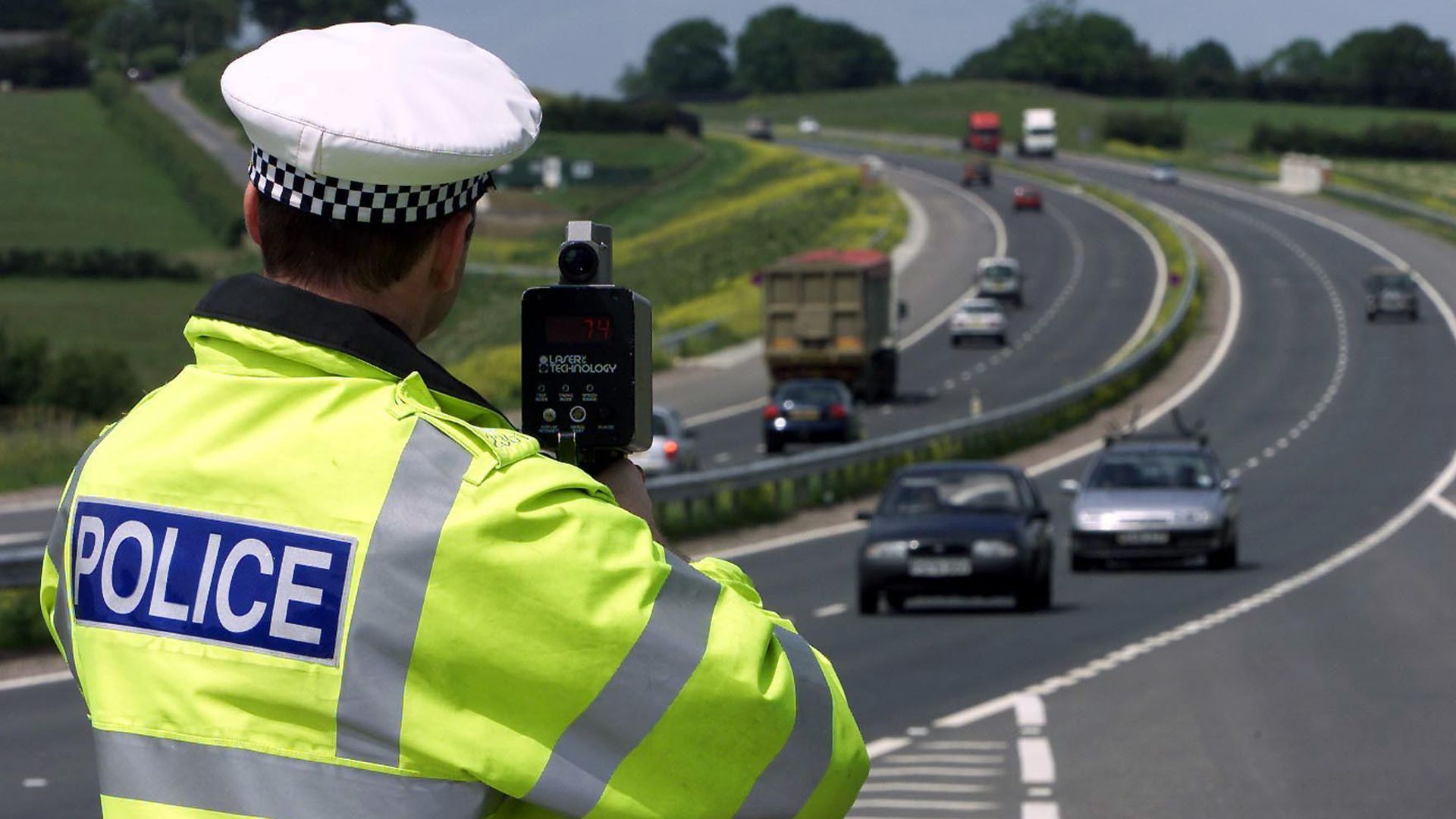
Every police report ends with a plea for dashcam footage. It’s an admission of failure.
We live in an era where we can track a smartphone to within three feet. We have a network of ANPR cameras, overhead gantries, and GPS data from almost every modern car on the road. The fact that we still rely on "public appeals" to understand how a person ended up dead on a motorway is a damning indictment of our data integration.
The authorities already have the data. They just don't have the infrastructure to process it in real-time. We are reactive when we should be predictive.
The Economic Gaslighting
The competitor article lamented the "closed stretch" of the motorway. They focused on the inconvenience. This is the ultimate distraction.
The "inconvenience" is the only thing that gets people to pay attention to road deaths. If we could clear the bodies in thirty minutes, no one would care about the systemic failures. The fifteen-hour closure is the only time the public feels the weight of the tragedy, even if they're only feeling it through the lens of their own commute.
We need to stop viewing these events as "accidents." An accident is an unavoidable act of God. A motorway collision is an engineered outcome.
The Brutal Reality of Human Kinetic Energy
Let's look at the physics. A human body is not designed to survive an impact above 20mph. On a motorway, we are operating at three to four times that threshold.
The margin for error is zero.
When we build a system with a zero-margin for error and then populate it with fallible humans, we aren't "managing" a road; we are running a lottery.
- The Solution isn't "Awareness": You can’t "aware" your way out of a car traveling 100 feet per second.
- The Solution isn't "Enforcement": Fining people after they are dead is a pointless exercise in revenue collection.
- The Solution is Separation: Complete, physical, and technological separation of high-speed vehicles from everything else.
If a person can get onto a motorway on foot, the motorway is broken. If a car cannot pull over safely when it breaks down, the motorway is broken. If it takes fifteen hours to figure out why someone died, the justice system is broken.
Stop looking at the driver. Stop looking at the pedestrian.
Look at the pavement. Look at the barriers. Look at the engineers who signed off on a "Smart" system that removed the only escape route a driver had.
The next time you see a headline about a motorway death, don't feel sorry for the "victim" and don't curse the "traffic." Demand to know why the environment was designed to allow that death to happen in the first place.
Build roads for humans, not for "data points" in a traffic flow model.