Canada’s first Minister of Artificial Intelligence and Digital Innovation is taking a victory lap for a race he hasn't actually run. One year into the job, the consensus in Ottawa and among the tech press is that Evan Solomon has successfully "steered the ship" through the turbulent waters of the generative AI boom. They point to the "National AI Sprint," the 11,000 public submissions, and a few million dollars sprinkled over Atlantic Canadian startups as evidence of momentum.
It is a hallucination.
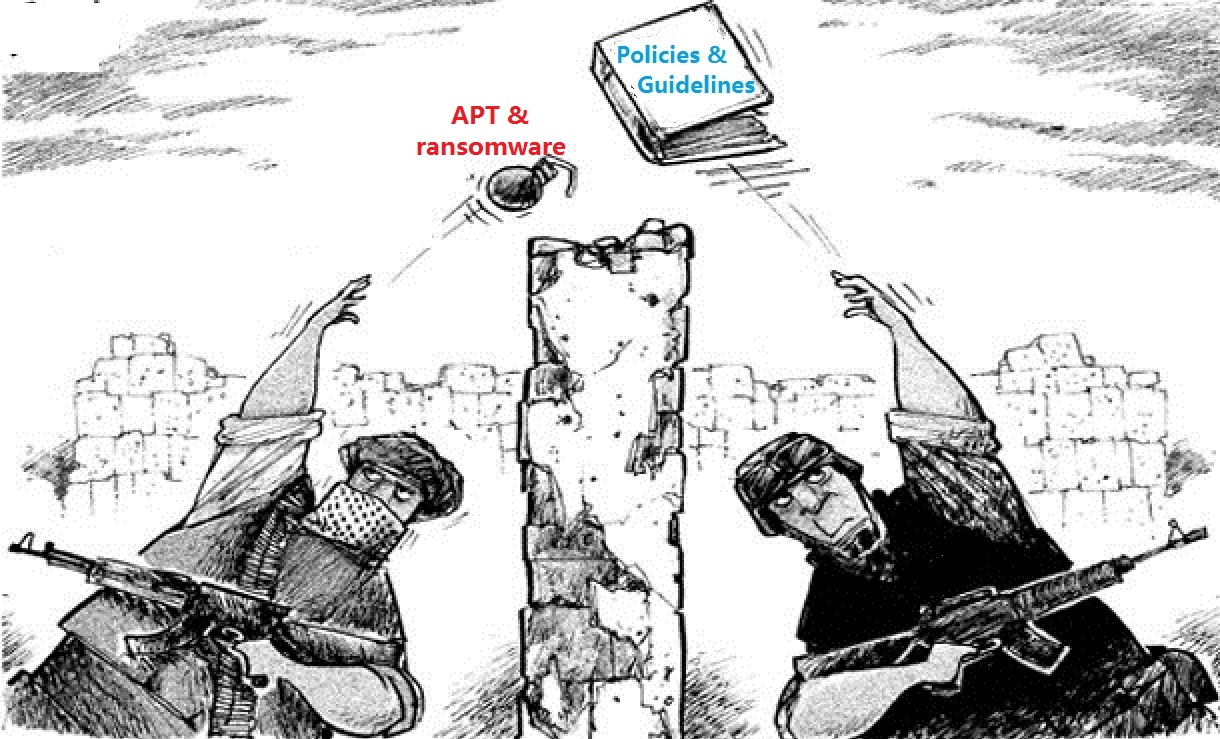
The reality is that Canada is currently operating in a regulatory vacuum. While the European Union passed the AI Act and the United States issued sweeping Executive Orders, Canada’s primary legislative vehicle—the Artificial Intelligence and Data Act (AIDA)—died on the vine when Parliament was prorogued in early 2025. Solomon hasn't replaced it. He has replaced it with "consultations." In the world of high-stakes technology, consultation is often just a polite word for paralysis.
The Consultation Trap
The "National AI Sprint" was marketed as a radical democratic exercise. In truth, it was a stall tactic. I’ve seen governments play this game for decades: when you don't have a plan, you ask the public for theirs.
By the time the "renewed" national strategy is released later in 2026, the technology will have undergone three more generational leaps. We are regulating via rearview mirror. While Solomon talks about "Canadian ownership of IP," our best talent is still being vacuumed up by OpenAI, Anthropic, and Google because Canada offers "playbooks" while the Americans offer compute and capital.
- The Myth: Solomon is building a "uniquely Canadian" AI framework.
- The Reality: He is presiding over a period of "soft-law" guidance that leaves businesses in a state of legal limbo.
Without a clear federal framework, provinces like Ontario are starting to write their own rules. We are witnessing the balkanization of Canadian tech policy. A startup in Waterloo now has to worry about a patchwork of provincial privacy principles because the federal government is too busy summarizing 11,000 surveys to pass a law.
The Productivity Theater
In March 2026, Solomon announced $8.5 million for 40 AI projects in Atlantic Canada. On paper, it looks like progress. In practice, it is "Productivity Theater."
$8.5 million is less than the cost of a single high-end Nvidia H100 cluster. Distributing it across 40 different projects ensures that none of them have enough capital to achieve true scale. We are subsidizing "AI-powered sales tools" for small businesses while our national sovereign compute infrastructure remains a series of bullet points in a summary report.
Imagine a scenario where Canada actually prioritized "Sovereign AI" instead of "Responsible AI" branding. A sovereign approach would mean building domestic foundry capacity or massive state-backed compute reserves. Instead, we are focused on "national AI literacy." You don't win a global arms race by teaching the infantry how to read the manual; you win it by giving them the best equipment.
The Expertise Gap
The appointment of a broadcaster and journalist to lead the Ministry was a calculated PR move. Solomon is excellent on a stage. He can "democratize" complex topics—which is exactly the problem. We don’t need an AI minister who can explain AI to a five-year-old; we need one who can negotiate with Sam Altman and Jensen Huang from a position of technical and economic leverage.
The AI Strategy Task Force is heavily weighted toward industry incumbents. This creates a "Regulatory Capture Lite" environment. The big players want "guardrails" because guardrails act as a moat against smaller, hungrier competitors who can't afford the compliance costs. Solomon is inadvertently helping the giants lock down the market while claiming he’s protecting the public from "deepfakes."
The Wrong Question
People often ask: "Is Evan Solomon making Canada safer?"
That is the wrong question. The right question is: "Is Evan Solomon making Canada relevant?"
Safety is a luxury of the powerful. If you have no domestic AI industry, you aren't "safe"—you are just a customer of a foreign digital empire. By focusing so heavily on the "risks" and "ethical frameworks" before we have even built a dominant Canadian model, we are essentially writing the rules for a game we aren't playing.
The Actionable Pivot
If we want to move beyond the Solomon status quo, the strategy must shift immediately:
- Kill the Consultations: We know what the risks are. We know what the opportunities are. Stop asking for input and start passing legislation that provides a clear "Safe Harbor" for R&D.
- Sovereign Compute over Small Grants: Stop the $200,000 "sprint" grants. Pool that capital into a single, world-class Canadian compute treasury accessible to any domestic firm that maintains its IP in Canada.
- Forced Procurement: The federal government is the largest buyer in the country. Solomon should mandate that 15% of all government software spend goes to Canadian-owned AI firms. Not "consulting," but actual software.
The first year of the AI Ministry was a masterclass in communication. It was a failure in industrial policy. We are currently the world's most polite observers of our own obsolescence.
The honeymoon is over. It's time to stop talking about the "hinge moment" and actually turn the door.