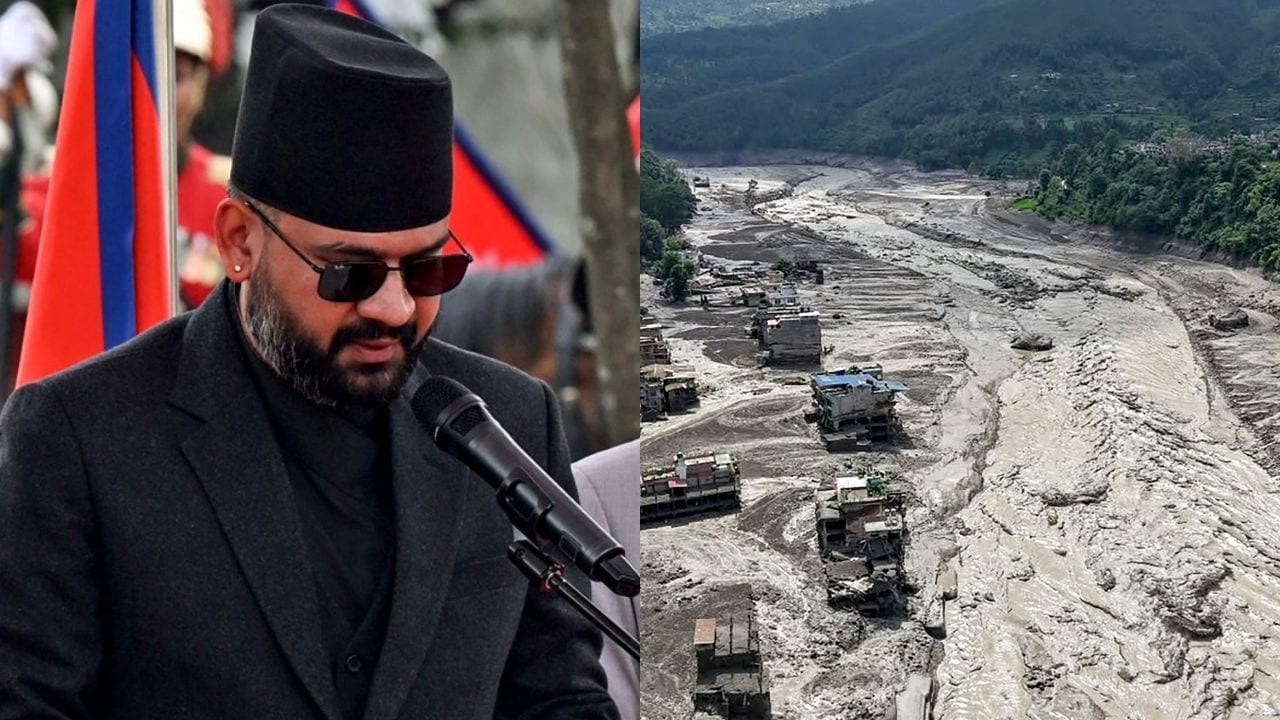
Every monsoon season, the headlines write themselves. Political leaders stand in front of cameras, decrying flash floods as acts of vengeful gods and unprecedented anomalies. Relief operations mobilize. Helicopters drop sacks of rice. Foreign donors wire millions. And the country sinks deeper into the exact same predictable catastrophe year after year.
The lazy consensus says Nepal is simply the victim of geography and erratic climate shifts. The lazy consensus calls every annual deluge an unpredictable tragedy.
That narrative is a lie.
I have walked through the aftermath of these supposed natural disasters across South Asia. I have watched billions of dollars in emergency aid flow into bureaucratic black holes while the actual structural root causes get ignored. Emergency response is not a solution. Emergency response is an expensive, feel-good band-aid that masks institutional failure and institutional theft.
The Myth of the Unprecedented Disaster
Let us look at the data. Flash floods in the Himalayan region are not unpredictable black swan events. They are regular, cyclical hydrological realities. When precipitation meets deforested hillsides, poorly engineered roadways cut into unstable tectonic zones, and unchecked riverbed encroachment, water does not act as a rogue assassin. It follows gravity.
Yet, every single year, officials act surprised. They label storms unprecedented because it absolves them of planning failures.
Imagine a scenario where a contractor builds a highway slicing straight through a mountain slope without proper drainage channels. The first heavy monsoon hits. The hillside liquefies, blocking a river. A natural dam forms, bursts, and wipes out three downstream villages. The prime minister declares a state of emergency. Relief operations launch.
This is not a natural disaster. This is a design flaw celebrated as a tragedy.
When you frame every flood as an unprecedented act of nature, you remove culpability from the people who authorized building permits in active floodplains. You let zoning boards off the hook. You turn structural negligence into an insurance claim.
Why Emergency Aid Keeps Communities Poor
Disaster relief operates like a perpetual motion machine of dependency. Cash and supplies pour in immediately following a crisis. Media outlets broadcast harrowing imagery. Sympathetic global citizens donate.
Where does that money actually go? A fraction reaches the displaced families in the form of temporary tarps and stale rations. The vast majority gets swallowed by administrative overhead, logistics bottlenecks, and political patronage networks that use disaster distribution as a vote-buying mechanism.
Worse still, traditional relief disincentivizes long-term mitigation. Why should local governments invest scarce tax revenue in sophisticated watershed management, early-warning acoustic sensors, or strict building codes when an international appeal will bail them out every August?
Disaster management in Nepal has become an industry. Industries require customers. If you actually solved the flooding problem through rigorous zoning and ecological engineering, the emergency funding dries up. The consultants go home. The politicians lose their photo ops.
The Brutal Solution Nobody Wants to Fund
Preventing flood devastation is boring. It does not look good on an evening news broadcast. It involves unglamorous, grinding work.
First, stop building roads like amateur contractors. Every kilometer of mountain road carved out without geotechnical reinforcement is a loaded weapon pointed at a valley below.
Second, enforce real estate redlines. Rivers need room to breathe. When you allow real estate developers to concrete over natural flood channels and seasonal riverbeds, you are inviting destruction. Water will reclaim its territory. It always does.
Third, decentralize early warning systems down to the village level. Satellite data is useless if it sits in a server room in Kathmandu instead of triggering a siren in a riverside settlement ten minutes before the crest arrives.
We do not need another emergency relief fund. We need a zero-tolerance policy for developmental incompetence.
Stop calling it a natural disaster. Call it what it is: a man-made tax on willful ignorance, paid in blood and mud, while the people at the top wait for the next storm to cash their checks.


