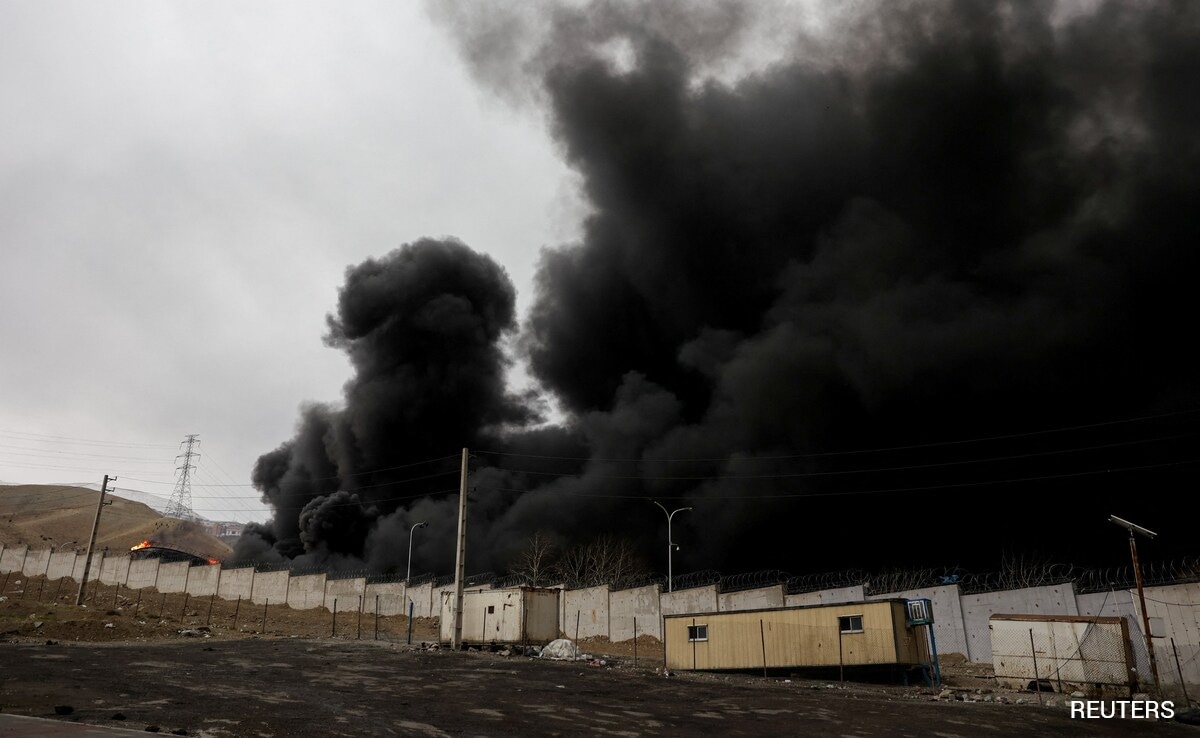
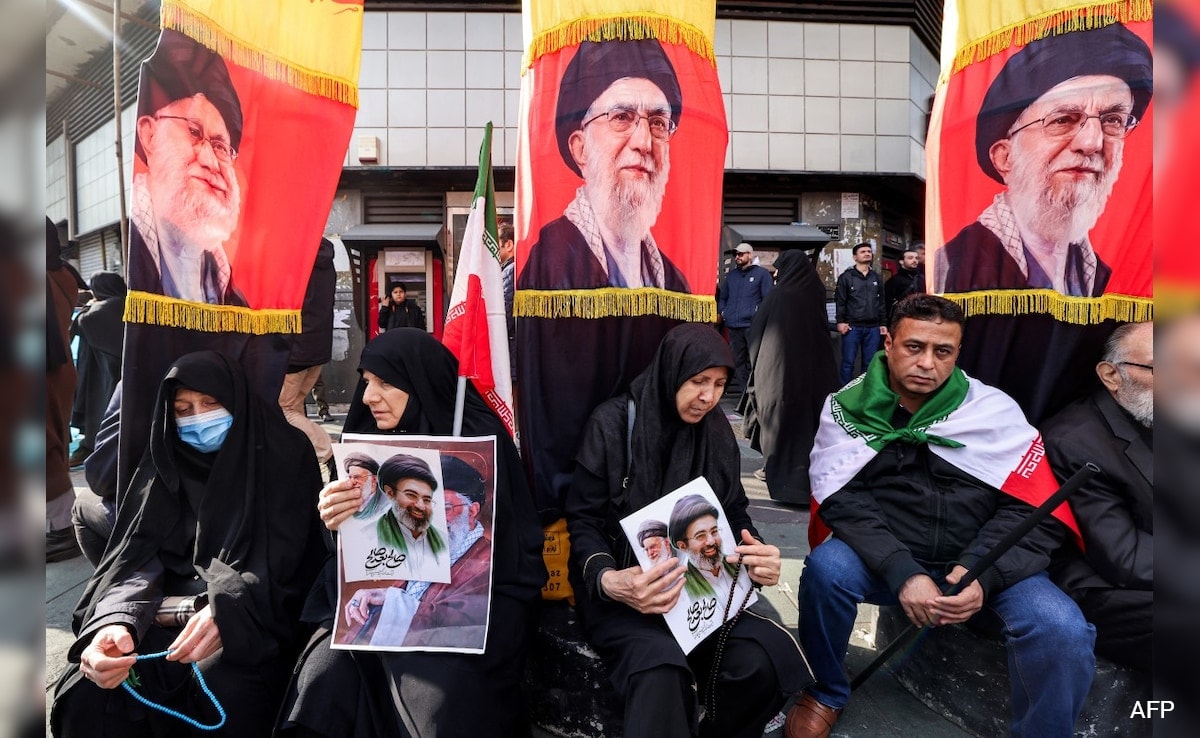
The headlines are screaming again. If you believe the mainstream consensus, the global economy is one Iranian speedboat away from total collapse. The narrative is as predictable as it is lazy: Tehran threatens to shutter the Strait of Hormuz, Washington promises "fire and fury," and oil traders hike prices while pundits dust off maps of the Persian Gulf to point at the world’s most famous "chokepoint."
It is a theatrical performance. Both sides are reading from a script written in 1979. For a deeper dive into similar topics, we recommend: this related article.
The reality? A total blockade of the Strait of Hormuz is functionally impossible, strategically suicidal for Iran, and wouldn't actually break the back of the global energy market. The "Death, Fire, and Fury" rhetoric isn't a precursor to World War III; it’s a high-stakes marketing campaign for two regimes that desperately need an external enemy to justify their internal failures.
The Myth of the Unstoppable Chokepoint
Every time tensions rise, we see the same infographic: 21 million barrels of oil per day squeezed through a gap only 21 miles wide. The implication is that a few sunken tankers or a field of mines would turn off the lights in London and Tokyo. For further context on this development, detailed reporting can be read at TIME.
This ignores the physics of modern naval warfare and the sheer scale of the waterway. The Strait isn't a garden hose you can just put a thumb over. The actual shipping channels—the "lanes"—are deep and wide. To truly "close" the Strait, you don't just need a few mines; you need to maintain total sea and air superiority against the combined might of the U.S. Fifth Fleet and its allies.
I have watched analysts spend decades ignoring the "Big Red Button" fallacy. If Iran pushes that button, they don't just stop the oil; they evaporate their own navy and their primary economic lifeline in under 72 hours. You don't commit national seppuku to win a tactical argument.
Iran’s Economic Suicide Note
The "consensus" forgets that the Strait of Hormuz is a two-way street.
Iran is not a self-sufficient island. It is a nation gasping for air under sanctions, reliant on the very same waters to export its "ghost" fleet oil and import refined products and food. If the Strait closes, Iran starves first.
- China is the silent referee. Over 80% of the oil passing through the Strait goes to Asia. China is Iran’s biggest customer and its only real geopolitical shield. If Tehran cuts off Beijing’s energy supply, that shield vanishes.
- The Saudi Bypass. Riyadh hasn't been sitting idle. The East-West Pipeline (Petroline) can move 5 million barrels a day to the Red Sea, bypassing Hormuz entirely. The UAE has the Abu Dhabi Crude Oil Pipeline. We aren't in the 1970s anymore; the world has built exits.
The 2026 Energy Reality: Supply is a Shell Game
The alarmists love to talk about "peak oil" or "supply shocks." They are stuck in a mindset where every drop of Brent Crude is precious.
In the current market, we are drowning in supply. Between the U.S. shale revolution—which turned the United States into a net exporter—and the massive untapped capacity in the Permian Basin, a temporary disruption in the Gulf is a localized headache, not a global cardiac arrest.
If the Strait were to be harassed (not closed, but harassed), prices would spike on fear, not on fundamentals. And that spike would be the ultimate gift to American frackers. Within months, U.S. production would ramp up to capture the margin, effectively neutralizing the Iranian leverage forever. Tehran knows this. They aren't going to hand the U.S. energy industry its biggest payday in history.
Military Reality vs. Political Theater
"Fire and Fury" makes for great TV, but the Pentagon’s actual war games tell a different story. Closing the Strait requires a sustained presence.
- Mines are a nuisance, not a wall. Mine-clearing operations are slow, but they are effective. The U.S. and its partners have spent forty years perfecting the art of "tanker wars" escorting.
- Swarm boats are target practice. The much-hyped Iranian fast-attack craft are terrifying to a defenseless freighter. To an Aegis-equipped destroyer or an F-35, they are thermal signatures waiting to be deleted.
- The "Sinking a Tanker" problem. Have you ever tried to sink a Very Large Crude Carrier (VLCC)? They are basically floating steel cathedrals with double hulls. You can set one on fire, but blocking a deep-water channel with one is an engineering nightmare that a few missiles won't achieve.
The People Also Ask: Why is the Price Rising Then?
If you're asking "Why is gas getting more expensive if the threat is fake?", you're looking at the wrong culprit.
The price isn't rising because of a physical shortage. It’s rising because of the "Fear Premium" baked in by algorithmic trading bots that react to keywords like "Hormuz" and "Conflict." Wall Street makes money on volatility. If the world is peaceful, the "vix" stays low and trading desks get bored. They need the "Fire and Fury" narrative to justify the swings that generate billions in fees.
You are being sold a crisis to subsidize a trade.
Stop Preparing for the Last War
The obsession with a 1980s-style naval blockade is preventing us from seeing the real threats. If you want to worry about energy security, look at cyber-attacks on electrical grids or the monopolization of rare earth minerals required for the "green" transition.
The Strait of Hormuz is a distraction. It is the shiny object the Iranian IRGC waves in one hand while the other hand expands its influence through proxy networks in Yemen, Lebanon, and Iraq. By focusing on the "Big Bang" of a blockade that will never happen, the West ignores the "Slow Burn" of regional destabilization that is already occurring.
The most dangerous thing about the "Fire and Fury" rhetoric isn't that it leads to war. It's that it keeps us addicted to a geopolitical framework that is thirty years out of date.
The Strait will stay open. The oil will flow. The politicians will shout. And the only people who will actually lose money are the ones who believe the headlines.
Buy the dip. Ignore the noise. The "blockade" is a ghost story told to keep the price of crude from hitting the floor.