Oil prices don't just "leap" because of a scary headline. They surge because the world’s most vital energy artery, the Strait of Hormuz, has effectively become a no-go zone. If you're wondering why your gasoline bills are hitting levels not seen since the 1970s, look no further than the "dual blockade" currently strangling the Persian Gulf.
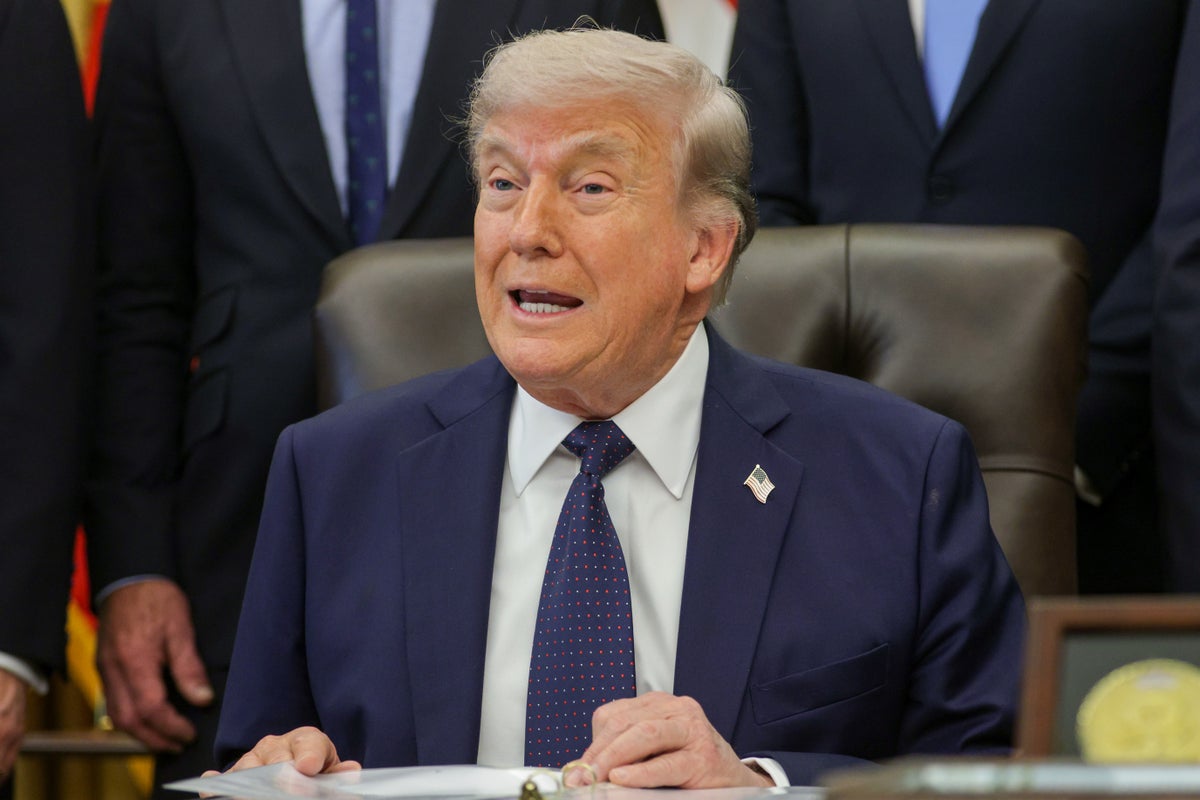
On one side, you've got Iran’s Islamic Revolutionary Guard (IRGC) using sea mines, satellite spoofing, and drone strikes to keep tankers at bay. On the other, President Donald Trump has ordered a naval blockade of Iranian ports, trying to squeeze Tehran into a corner. It’s a game of chicken where the global economy is the one getting run over. Brent crude has already cleared $103 per barrel, and with Trump set to receive a high-stakes military briefing this Thursday, the markets are bracing for a potential "short and powerful" strike that could blow the lid off energy prices entirely.
The Dual Blockade Logic
Most people think a blockade is just ships sitting in a line. It's way messier. Right now, more than 150 tankers are anchored outside the Strait, essentially floating in limbo because insurance companies won't touch them. Iran isn't just threatening; they’ve already hit vessels like the Skylight and the MKD VYOM. They’re using "easy to use, hard to oppose" tactics:
- Sea Mines: Cheap, hidden, and terrifying for any merchant captain.
- GNSS Jamming: Making navigation systems lie to the crew.
- Drone Boats: Low-cost suicide craft that can cripple a multi-million dollar tanker.
Trump’s response has been to double down on the pressure. He’s calling it the "Maritime Freedom Construct," a coalition aimed at forcing the Strait back open. But here’s the kicker: European allies like France and Britain are hesitant. They’ll help open the Strait after the shooting stops, not while the missiles are flying. This leaves the U.S. and Israel largely on their own in a conflict that has already cost the Pentagon an estimated $25 billion since February.
Trump Military Options on the Table
On Thursday, April 30, 2026, Trump meets with CENTCOM leaders to discuss what comes next. Don’t expect a full-scale invasion—the U.S. doesn't have the boots on the ground for that, and the public has zero appetite for it. Instead, the briefing is expected to focus on high-impact, low-footprint moves:
The Seizure of Kharg Island
This is the big one. About 90% of Iran’s oil exports move through the Kharg Island terminal. There’s talk of using the 82nd Airborne or Marines to seize the island. While the U.S. could take it in an afternoon, holding it for months is a logistical nightmare. It’s a "prestige" move that might not actually change Tehran’s mind.
Kinetic Infrastructure Strikes
We’re talking about a "short and powerful" wave of strikes. The goal? Destroying what’s left of Iran’s missile launchers and drone factories. The U.S. has already fired over 850 Tomahawk missiles in this war. Each one costs $2.6 million. The math is getting ugly, especially when high-end interceptors like THAAD missiles—costing $15.5 million a pop—are being used up faster than they can be replaced.
The Nuclear Stockpile Operation
There’s a wild-card option: a Special Forces raid to secure Iran’s highly enriched uranium. It’s high risk, high reward, and would likely trigger the very "unprecedented military action" Tehran has been promising.
What This Means for Your Wallet
The International Energy Agency calls this the "greatest global energy security challenge in history." It’s not just about the $120 oil peaks we saw in March. It’s the knock-on effect.
- The Food Crisis: The Gulf states rely on this Strait for 80% of their food. Prices for staples in the region have jumped up to 120%.
- The European Cold Snap: Europe’s gas storage is at a measly 30% after a brutal winter. Without Qatari LNG flowing through the Strait, energy costs are gutting European industrial margins.
- The "Strait of Trump" Ambition: Trump has joked on social media about renaming the waterway the "Strait of Trump." It’s classic bravado, but it signals he views this as a personal win-loss scenario. He’s unlikely to back down.
The Real Issue Nobody Talks About
The U.S. is facing a hard deadline. Under the 1973 War Powers Resolution, Trump needs Congressional authorization by May 1 to continue certain operations. If he doesn't get it, he has 60 days to wind down. This creates a "use it or lose it" window for military escalation. Tehran knows this. They’re trying to outlast his attention span and the American public’s tolerance for $6-a-gallon gas.
If you’re looking for a quick resolution, don't hold your breath. The "Islamabad Talks" failed, and both sides are dug in. The next logical step for anyone with skin in the game—whether you’re an investor or just a commuter—is to prepare for a "long blockade" scenario.
- Watch the Put-Call Skew: Institutional investors are currently paying double to protect against a market drop compared to betting on an upside. Follow the smart money; they’re buying insurance.
- Energy Diversification: For businesses, this is the final wake-up call. The dependence on this single 21-mile-wide chokepoint is a systemic failure.
- Monitor the May 1 Deadline: If Congress balks at the War Powers Resolution, expect a temporary dip in tensions—or a desperate "hail mary" strike from the White House before the clock runs out.