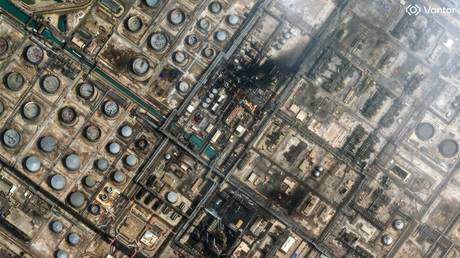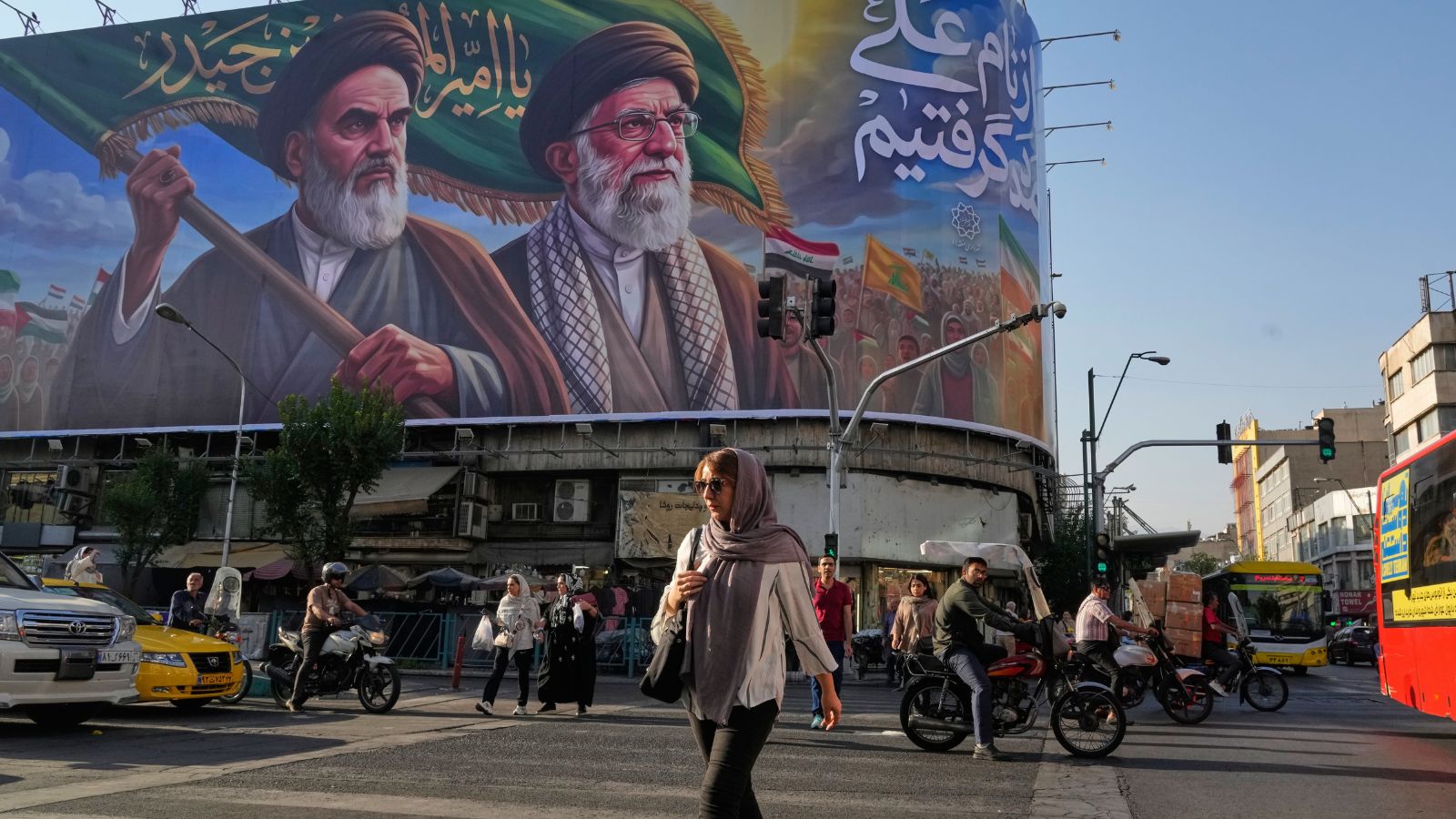
Don't let the diplomatic talk fool you. The fragile ceasefire between Washington and Tehran is hanging by a thread, and the latest scramble in the Persian Gulf proves it.
US Central Command just confirmed that American forces shot down two Iranian one-way attack drones over the Strait of Hormuz. According to CENTCOM, these drones posed a direct threat to international maritime traffic in the world’s most critical energy chokepoint. It's the second time in 48 hours that American lines have been tested. Just a day prior, US forces downed four drones in the exact same area and responded by blowing up Iranian coastal surveillance radar sites in Goruk and on Qeshm Island.
If you think this is just standard posturing, you're missing the bigger picture. We aren't looking at isolated border skirmishes anymore. This is a high-stakes leverage game played with live ammunition, and it threatens to wreck the global economy if a single drone gets lucky.
The Secret Leverage Game Behind the Hormuz Escalation
Why is Iran risking a direct shooting match with the US military right now? It's simple. The peace talks are stuck.
An adviser to Iran's supreme leader recently admitted that negotiations are at a deadlock. Tehran wants billions of dollars in frozen assets released before they fully commit to a broader peace deal. President Donald Trump, on the other hand, is leaning into a maximum pressure strategy. He's squeezing them because he knows the US military campaign has already taken a massive toll on Iran's conventional capabilities.
In an interview with NBC News, Trump claimed the US has dismantled the vast majority of Iran's military infrastructure. He estimated that Tehran has only 21% to 22% of its original missile arsenal left. Most drone factories and launching pads have been knocked out.
But as we saw over the weekend, 22% is still plenty dangerous. Iran isn't trying to win a full-scale conventional war. They're trying to prove they can still make everyone bleed. By launching drones at the Strait of Hormuz and firing a salvo of seven ballistic missiles toward US allies Bahrain and Kuwait, Tehran is sending a clear message to Washington: Give us our money, or we will shut down the global oil supply.
Washington Raises the Financial Stakes
The Biden administration used to play this cautiously, but the current White House strategy is shifting the economic battlefield. US Treasury Secretary Scott Bessent is preparing a move that will absolutely infuriate Tehran. The US plans to seize frozen Iranian assets and hand them directly to Gulf allies like Kuwait and Bahrain to pay for war damages.
Bessent has already ordered a team to assess the costs incurred by Gulf nations from Iranian missile and drone strikes. This turns the asset debate on its head. Instead of using the frozen billions as a carrot to entice Iran to the negotiating table, Washington is using them as a stick to pay back its friends.
This explains the desperation behind the latest drone launches. Iran realizes that if they wait too long, their frozen wealth won't even exist anymore. It'll be sitting in the bank accounts of their regional rivals.
The Reality of the Broken Ceasefire
Iranian state media is calling the recent US airstrikes on their radar stations a flagrant violation of the truce. Meanwhile, CENTCOM maintains that shooting down drones and targeting the radars that track civilian ships is pure self-defense.
Honestly, debating who broke the ceasefire first is missing the point. The reality on the water is that the truce is effectively dead. Look at what's happening across the broader theater:
- US forces are actively intercepting missiles and drones every single day.
- Israel just launched airstrikes in southern Lebanon that killed nine people, including Lebanese army officers, just days after a separate U.S.-brokered deal there.
- The IRGC is actively harassing oil tankers trying to exit the Persian Gulf.
This isn't a peace process. It's a managed conflict where both sides are trying to find the exact threshold of violence they can inflict without triggering an all-out regional catastrophe.
What This Means for Shipping and Global Markets
If you manage supply chains or track energy markets, you can't afford to ignore this stalemate. The US Fifth Fleet in Bahrain might be denying Iranian claims of local base damage, but the threat to commercial shipping is real.
France has already come out swinging against any potential backroom deals regarding maritime transit fees in the strait. The international community is terrified that either Iran will block the waterway completely, or the US will have to implement a permanent, costly military escort system for every single tanker.
Expect oil volatility to spike over the coming weeks. Every time a US destroyer fires an interceptor missile over Hormuz, a premium gets baked into global energy prices.
If you are tracking these events for business or security reasons, stop watching the diplomatic statements coming out of Washington or Tehran. They're just noise. Instead, watch the specific geography of the strikes. When Iran targets US allies directly, and the US starts dismantling radar installations on Iranian soil, the margin for error drops to zero. Monitor the shipping insurance rates in the Persian Gulf. That's where the real truth of this conflict is being told, and right now, the markets are preparing for a long, hot summer of escalation.