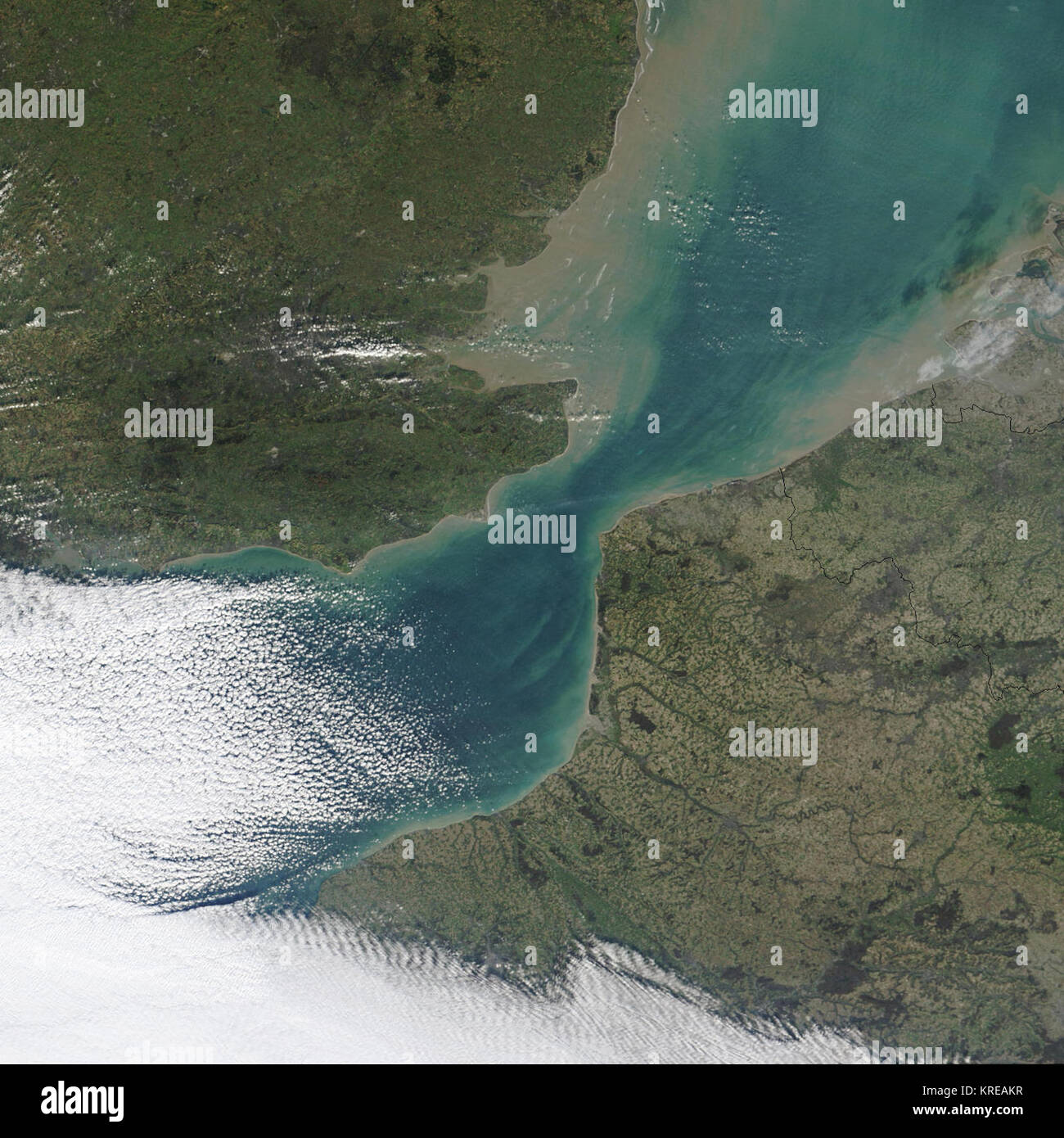
The headlines are predictable. A dhow catches fire. An Indian sailor loses his life. Seventeen others are plucked from the drink near the Strait of Hormuz. The media treats it as a tragic "incident" or a byproduct of "regional tension."
They are wrong. Also making waves lately: Post-Industrial Cultural Conversion Efficiency at UNESCO World Heritage Sites.
This isn't an incident. It is the systemic failure of an archaic maritime backbone that the global economy pretends doesn't exist until it burns. We are obsessed with the "Gulf War" narrative and the geopolitical chess match between superpowers. Meanwhile, the actual vessels moving the world's unrecorded freight are floating tinderboxes.
If you think this is just a sad story about a wooden boat, you don't understand how global trade actually functions. You are looking at the smoke and missing the structural rot. More details regarding the matter are covered by CNBC.
The Dhow Fallacy: Why "Modern" Logistics is a Myth
The "lazy consensus" in logistics is that we live in the age of the Maersk Triple-E class mega-vessel. We talk about automation, AI-driven port stacking, and blockchain-verified bills of lading.
Then a dhow sinks.
Dhows are the ghost fleet of the Middle East and South Asia. These vessels often bypass the sophisticated tracking systems that "experts" use to map global trade. They carry everything from spices and textiles to electronics and fuel. They operate in the grey spaces where the big carriers won't go.
When one of these ships goes down, the industry calls it "unregulated" or "informal." That is a polite way of saying "indispensable but ignored." We rely on a shadow infrastructure that utilizes 18th-century naval architecture to fuel 21st-century consumerism.
The tragedy near the Strait of Hormuz isn't about a fire. It’s about the fact that 17 people were forced to bet their lives on a vessel that likely wouldn't pass a safety inspection in a bathtub.
Geopolitics is the Red Herring
The competitor reports fixate on the "Gulf War" or "regional instability" as the culprit. This is a classic intellectual shortcut. It’s easy to blame a missile or a naval blockade. It’s much harder to blame a broken insurance market and a total lack of maritime oversight for small-scale vessels.
Security in the Strait is usually framed through the lens of the U.S. Fifth Fleet or the IRGC. But for the merchant sailor, the threat isn't a destroyer. It's an electrical short in a galley that hasn't been updated since the 1990s.
We treat the Strait of Hormuz as a military choke point. In reality, it is a safety choke point.
The "war" narrative serves the interests of defense contractors and geopolitical pundits. It does nothing for the Indian, Pakistani, and Sri Lankan sailors who are the actual blood in the veins of this trade route. If we actually cared about "stability" in the Gulf, we wouldn't be talking about more frigates. We would be talking about mandatory fire-suppression systems for every hull over 20 tons.
But fire extinguishers don't win elections. Aircraft carriers do.
The Cost of "Cheap" Shipping
I’ve seen companies blow millions on "resilient supply chain" consultants who couldn't tell you the difference between a dhow and a barge. These consultants look at spreadsheets. They don't look at the water.
They see a low freight rate and call it "efficiency." I call it "unpriced risk."
When you move goods through the Gulf, you are participating in a system that discounts human life to keep the price of a gallon of oil or a crate of knock-off sneakers down. The death of a sailor in the Strait is a hidden tax. It’s a literal sacrifice to the gods of the "just-in-time" delivery model.
The Mechanics of the Burn
Why do these ships catch fire?
- Overloading: Standard practice. If the deck isn't inches from the waterline, you’re "wasting space."
- Ad-hoc Wiring: Adding modern refrigeration or GPS to an old hull involves "creative" electrical work.
- Hazardous Cargo Mixing: When you aren't a Tier-1 carrier, you don't always check if the chemicals in Crates A-F play nice with the textiles in Crate G.
The "17 rescued" is the miracle. The "1 killed" is the statistical inevitability.
Dismantling the "Safe Passage" Illusion
"People Also Ask" online: Is the Strait of Hormuz safe for shipping?
The honest answer? No. But not for the reasons you think.
It’s not safe because the regulatory environment is a patchwork of "good enough" and "don't ask, don't tell." The world's most critical maritime artery—through which roughly 20% of the world's liquid petroleum passes—is treated like a lawless highway.
We have high-tech monitoring for the tankers, but the "filler" traffic—the thousands of smaller boats—operates in a data vacuum. This creates a "clutter" environment that makes real-time risk assessment nearly impossible.
If you are a business leader relying on this route, you need to stop asking about "regional conflict" and start asking about vessel integrity data. If your cargo is on a ship that doesn't have a digital twin or a verified maintenance log, you aren't "leveraging a cost-effective route." You are gambling with your shareholders' money and sailors' lives.
Stop Calling it a "Rescue"
The media loves the word "rescued." It implies the system worked.
It didn't.
A rescue is a failure of prevention. In any other high-stakes industry—aviation, nuclear power, pharmaceuticals—an incident like this would trigger a massive, transparent investigation into the root cause. In maritime trade in the Gulf, it’s just Tuesday.
The survivor's trauma is minimized, the dead are mourned briefly, and the ship is replaced by another wooden hull by the end of the week.
The Actionable Truth for the Industry
If you want to actually "secure" the Strait of Hormuz, stop looking at the horizon for enemies and start looking at the hulls beneath your feet.
- Demand Transparency for Secondary Fleets: If your logistics provider uses sub-contractors that utilize dhows or unclassed vessels, your "Sustainability Report" is a lie.
- Incentivize Modernization over Militarization: The cost of one missile could refit an entire regional fleet with modern safety gear.
- Acknowledge the Grey Market: You cannot manage what you do not measure. Stop pretending the informal fleet doesn't move the needle on global inflation. It does.
The fire near the Strait is a warning light on the dashboard of global commerce. We can keep taping over the light and talking about "geopolitics," or we can admit that our "modern" world is still being towed along by a medieval fleet that we are all too happy to watch burn as long as the oil keeps flowing.
The sailor didn't die because of a war. He died because we decided his safety was too expensive to track.
Stop looking at the maps. Start looking at the manifests.