The headlines are screaming about a sanctioned Chinese tanker "turning back" to the Strait of Hormuz. The mainstream media is painting a picture of a cornered vessel, a victory for international pressure, and a logistics chain in shambles. They want you to believe that a U-turn in the Gulf is a sign of a system working.
They are dead wrong. Read more on a similar topic: this related article.
What you are witnessing isn't a retreat. It is a recalibration. When a sanctioned vessel shifts course, the desk-bound analysts at major news outlets assume it’s out of fear. In reality, it’s often about the math of the "Shadow Fleet." We need to stop treating these maritime movements like a police chase and start viewing them for what they actually are: a high-stakes commodities arbitrage play where the "sanction" is merely a cost of doing business, factored into the spreadsheet months ago.
The Myth of the Effective Blockade
The "lazy consensus" suggests that naming a ship on a Treasury list makes it a pariah. If that were true, the global supply of Iranian and Russian crude would have evaporated. Instead, it’s hitting record highs. Further journalism by Reuters Business delves into comparable views on this issue.
When a tanker like the one recently reported "exits" then "re-enters" the Strait of Hormuz, the standard narrative is that it couldn't find a buyer or got spooked by a naval presence. Look closer. These vessels operate in a world of Ship-to-Ship (STS) transfers that make the traditional port-call model look prehistoric. A U-turn usually means the "ghost" mother ship moved, or the blending ratio at the destination changed.
I’ve watched commodities desks scramble when a cargo is tagged. Do they dump it? No. They discount it by $15 a barrel, rename the vessel, and find a refiner in Shandong who doesn't care about Western optics. The tanker turning back isn't a failure; it’s a logistics optimization. If you can't unload at Point A because the heat is too high, you loop back to the chokepoint where the water is crowded, the AIS signals are "glitching," and you can disappear into a pack of three hundred other hulls.
AIS Spoofing is the New Stealth Technology
The media loves to track these ships using public satellite data. It’s cute. It’s also largely useless.
Sophisticated operators in the Strait of Hormuz aren't just turning off their transponders; they are spoofing them. I’ve seen data tracks where a tanker appears to be idling off the coast of Oman while it is actually tied up to a terminal miles away. The "turn back" reported yesterday might not have even happened in physical space.
We are obsessed with the physical location of the hull. We should be obsessed with the digital ownership of the cargo. The hull is a shell. The flag is a flag of convenience—usually from a country that couldn't find the Strait of Hormuz on a map if their life depended on it.
Why the "Pressure" Logic is Flawed
- Sunk Cost Fallacy: A VLCC (Very Large Crude Carrier) costs a fortune to operate. You don’t "turn back" because you’re nervous. You turn back because the risk-adjusted return of a different route just ticked up.
- The Insurance Gap: Everyone talks about P&I clubs and Western insurance. The shadow fleet has its own insurance ecosystems, often backed by sovereign guarantees or opaque captive structures. Sanctioning a ship that doesn't use your insurance is like trying to ban a car from a road it never drives on.
- The China Factor: China isn't a passive observer. They are the primary sink for this oil. A sanctioned tanker heading back toward Iranian waters is often just waiting for a "cleaner" vessel to take the handoff. It’s a relay race, not a dead end.
The High Cost of Visibility
Every time a major outlet publishes a "gotcha" piece on a specific tanker, they inadvertently help the shadow fleet. They provide free intelligence on which tracking methods are currently being monitored.
The industry insiders I talk to laugh at the "sanctioned" tag. In the dark corners of global trade, a sanction is a badge of reliability. It means the crew is vetted, the captain knows how to handle a dark transfer, and the owner has the stomach for the long game.
Imagine a scenario where the U.S. Treasury adds ten more ships to the list tomorrow. Does the oil stop moving? No. The premium for "dark" freight simply rises. The middleman gets richer. The refiner still gets their cheap feedstock. The only people losing are the legitimate shipowners who follow the rules and watch their margins get cannibalized by players who treat international law like a suggestion.
Stop Asking if the Sanctions Work
The question itself is flawed. "Working" implies a binary outcome: the ship stops or it doesn't.
The real question is: Who is the sanctions regime actually taxing?
It isn't the Chinese buyers. They are getting a massive discount on energy that fuels their industrial base. It isn't the sanctioned owners; they are charging double the market rate for freight because of the "risk."
The tax is being paid by the global consumer and the transparent shipping industry. By forcing this trade into the shadows, we’ve created a massive, unregulated, and environmentally dangerous "ghost fleet" that operates outside of every safety convention known to man. These ships are often old, poorly maintained, and uninsured for spills.
A "U-turn" in the Gulf isn't a diplomatic win. It’s a warning. We are chasing ghosts while the actual trade lanes are being rewritten in real-time.
The Tactical Reality of the Strait
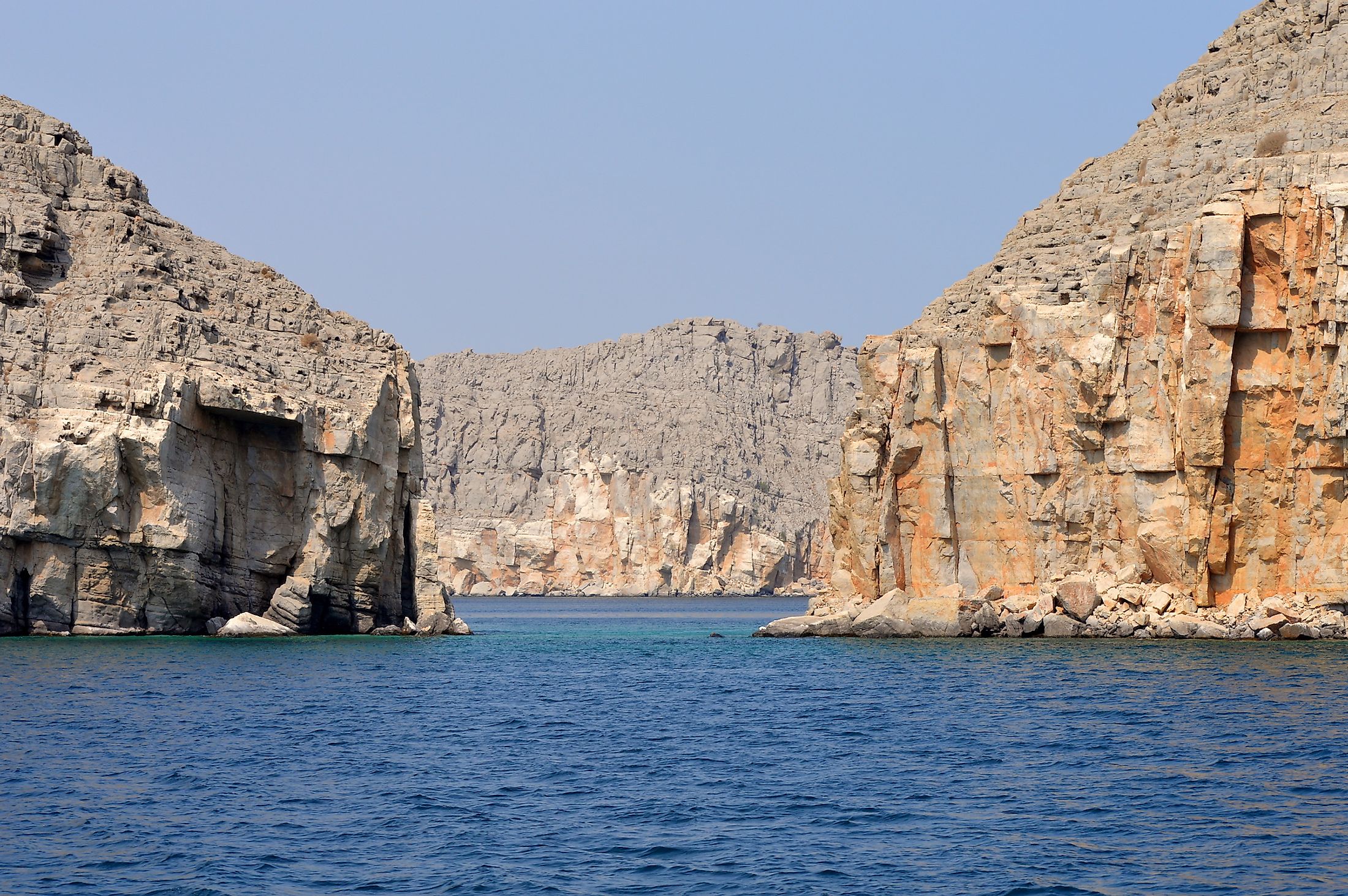
The Strait of Hormuz is the world's most congested classroom. If you want to see how the next decade of economic warfare will be fought, stop looking at the weapons and start looking at the waybills.
A tanker turning back is a move on a chessboard that most observers can't even see. It’s about timing the market, avoiding a specific satellite window, or meeting a "clean" bunkering vessel. It’s a dance. And right now, the shadow fleet is leading.
If you think a sanctioned ship moving its rudder 180 degrees is a sign of Western strength, you’ve already lost the argument. The oil is still on the water. The money is still moving through non-SWIFT channels. The buyer is still waiting.
The U-turn is a feint. The cargo is already sold.
Stop watching the ship. Watch the spread.