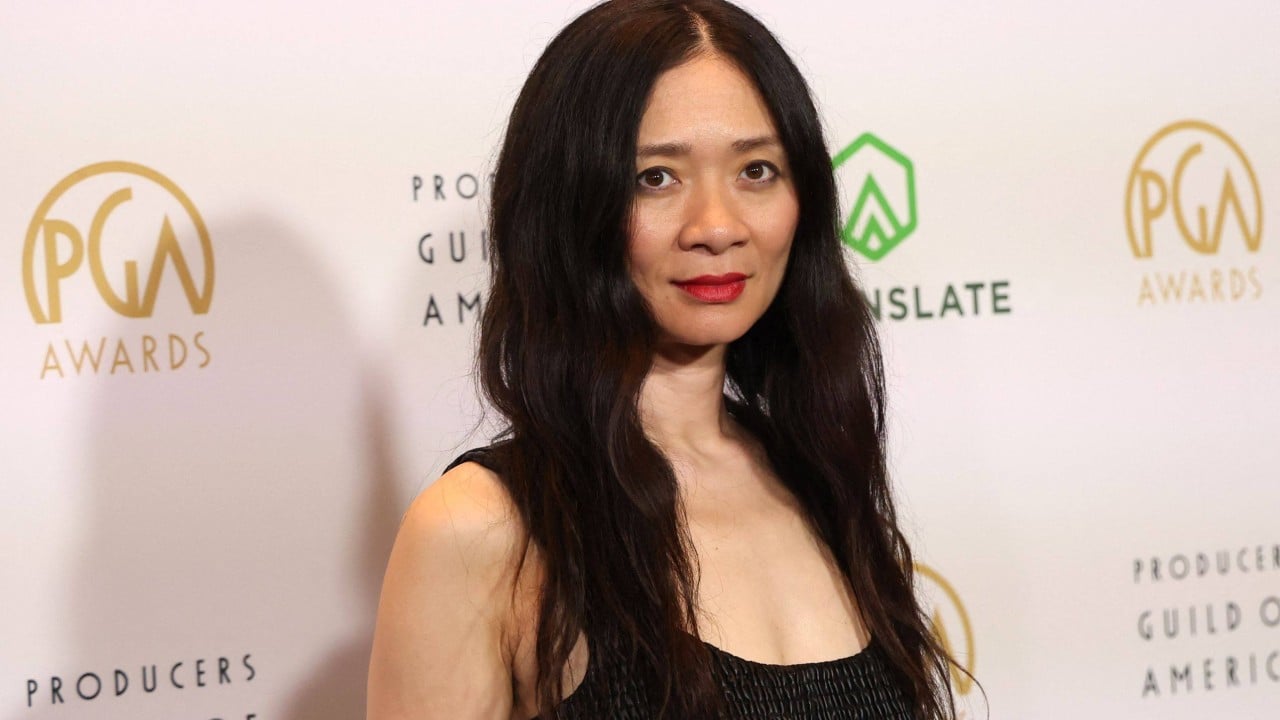
The announcement of a second child for Beanie Feldstein and Bonnie-Chance Roberts represents more than a personal milestone; it is a case study in the stabilization of a high-equity creative partnership. In an industry where public personas are often built on transient trends, Feldstein and Roberts have engineered a brand architecture centered on long-term stability, creative autonomy, and the deliberate intersection of the Broadway, film production, and fashion industries. By analyzing the expansion of their family unit through the lens of legacy management and market positioning, we can identify how contemporary public figures utilize personal milestones to reinforce a narrative of "quiet professional dominance."
The Dynamics of the Dual-Creative Partnership
The Feldstein-Roberts union functions as a strategic merger of two distinct professional verticals. Feldstein occupies the "talent" vertical, with high-visibility roles in critically acclaimed projects like Lady Bird and Booksmart, while Roberts operates within the "infrastructure" vertical as a film producer (notably for Monumental Pictures). This creates a self-sustaining ecosystem where the household possesses both the creative capital to drive projects and the operational expertise to finance and distribute them.
The arrival of a second child introduces a shift in the household’s resource allocation. In high-performance creative environments, this shift typically follows a three-stage structural evolution:
- The Consolidation Phase: The period immediately following the expansion where public appearances are curtailed in favor of behind-the-scenes development. For a producer like Roberts, this often correlates with a pivot toward project acquisition rather than active on-set management.
- The Niche Reinforcement Phase: Feldstein’s brand has consistently leaned into themes of inclusivity, family, and authenticity. Expanding her family unit provides "organic proof" of these brand values, effectively insulating her against the volatility of fame by grounding her public identity in relatable, long-form life stages.
- The Multi-Generational Asset Build: The Feldstein family (including brother Jonah Hill) represents a burgeoning entertainment dynasty. Adding members to this lineage increases the total "network effect" of the family name, ensuring that the brand remains relevant across different demographics and eras.
Operational Constraints in the Broadway-Production Intersection
The timing of family expansion for a Broadway-centric performer involves complex scheduling variables that differ significantly from film-only actors. A Broadway contract requires a six-to-eight-show-per-week commitment, which creates a physical and logistical bottleneck for family planning.
Unlike film, where "blocks" of time can be carved out between shoots, theater demands a consistent, localized presence. Feldstein’s recent career trajectory shows a move away from the grueling schedule of live theater (Funny Girl) toward more flexible, high-impact media. This transition is not accidental; it is a tactical recalibration of her professional output to accommodate the increasing complexity of her private life. Roberts’ role as a producer facilitates this, as production work allows for greater temporal flexibility and "work-from-anywhere" capabilities compared to the rigid requirements of performance.
The Economics of Privacy as a Luxury Good
The manner in which Feldstein and Roberts manage their personal news serves as a blueprint for "Privacy-First" celebrity branding. By controlling the narrative through curated social media reveals rather than tabloid leaks, they maintain a high "Privacy Premium." This premium serves two functions:
- Scarcity Value: By limiting the public's access to their private lives, every official announcement carries more weight and generates higher engagement metrics.
- Buffer Against Oversaturation: High-frequency public figures risk brand fatigue. A "low-noise" approach ensures that when Feldstein does return to a major press circuit, the audience appetite is higher due to the period of absence.
This strategy reveals a fundamental shift in how celebrity influence is measured. The old model prioritized "Volume of Coverage," whereas the new, more sophisticated model prioritizes "Quality of Engagement." Feldstein and Roberts are not seeking to be the most talked-about couple; they are seeking to be the most respected. This distinction is vital for longevity in the entertainment industry.
Risk Factors in Multi-Child Family Management for Public Figures
While family expansion reinforces the brand, it introduces specific operational risks that must be mitigated through rigorous planning.
- The Mobility Tax: International film sets and regional theater runs become exponentially more difficult to coordinate with multiple children. This often leads to a "centralization" of the career, where the talent only accepts work within specific geographic hubs (New York, London, or Los Angeles).
- The Narrative Pivot: There is a risk of being pigeonholed into "parental" roles or "family-friendly" content. Feldstein must navigate her project selection carefully to ensure her professional identity remains distinct from her maternal identity, a challenge that male counterparts rarely face with the same intensity.
- The Resource Split: For Roberts, managing a production slate while supporting a growing family requires a shift toward executive production—delegating the day-to-day "boots on the ground" work to junior producers while retaining the high-level decision-making power and equity.
The Professional-Personal Feedback Loop
The synergy between a performer and a producer in a marriage creates a unique feedback loop. Roberts understands the mechanical requirements of a film set, allowing her to advocate for Feldstein’s needs (and vice versa) with a level of technical precision that non-industry partners cannot match. This creates a "Protected Creative Space" that allows Feldstein to take greater artistic risks, knowing the logistical and financial infrastructure of her life is managed by someone with an identical set of goals.
This partnership model is becoming the standard for high-net-worth individuals in the creative arts. The goal is no longer just "fame," but "autonomy." By expanding their family, Feldstein and Roberts are signaling that they have achieved a level of professional stability where they can prioritize personal growth without fearing a loss of market relevance.
Strategic Forecast: The Shift to Independent Development
Expect a significant increase in collaborative projects between Feldstein and Roberts over the next 36 months. As the family unit grows, the incentive to keep production "in-house" becomes overwhelming. This will likely manifest in:
- Bespoke Star Vehicles: Roberts developing IP specifically tailored for Feldstein’s strengths, ensuring the "talent" is always utilized in high-margin projects.
- Production Shifting to Regional Hubs: A preference for projects filmed in locations that align with their domestic stability.
- Expansion into New Verticals: Potentially moving into children’s media or lifestyle entrepreneurship, utilizing their personal journey as a foundation for a new product line or content series.
The "Feldstein-Roberts" entity is moving from a talent-based model to a studio-based model. The second child is the catalyst for this transformation, forcing a final departure from the "actor-for-hire" mindset into the "creator-owner" reality. The long-term play is the establishment of a creative estate that functions independently of the industry's traditional gatekeepers.