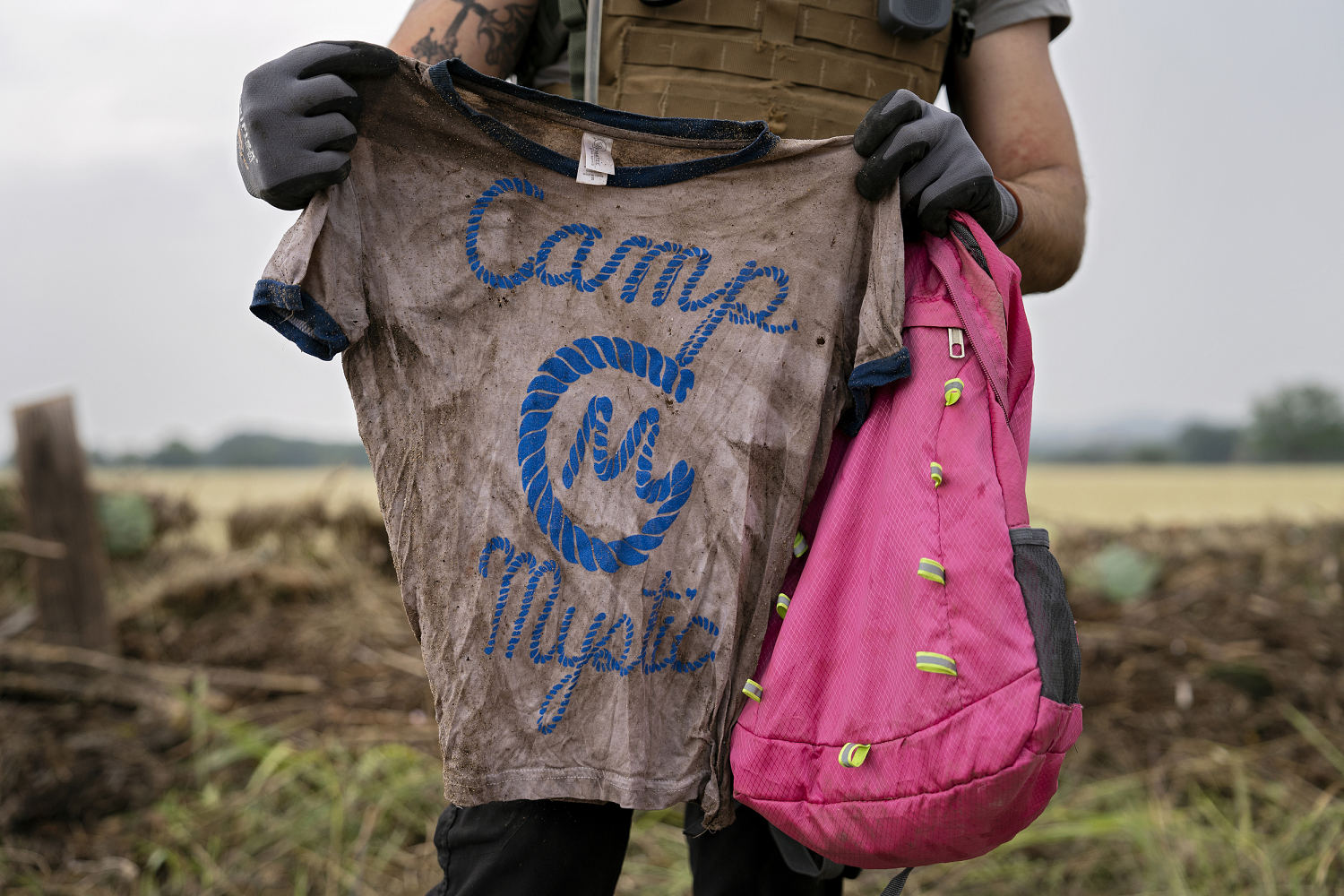
The air along the Guadalupe River usually smells of cedar wood, river silt, and the specific, metallic tang of screen doors swinging on rusty hinges. For nearly a century, those doors have opened for thousands of girls arriving at Camp Mystic. They come with trunks full of name-tagged socks and hearts ready for the organized chaos of tribal competitions and campfire songs. But this year, the silence is heavy. It isn't the peaceful silence of a forest at dawn; it is the sterile, unsettling quiet of a project frozen in time.
Texas officials have stepped in, and the gates are locked.
The story isn't just about a camp failing to open its doors. It is a collision between the nostalgic preservation of a Texas institution and the unyielding, modern demands of safety and state oversight. When the Texas Department of State Health Services (DSHS) issues a "cease and desist" or a list of mandatory modifications, it sounds like bureaucratic white noise. To a family who has sent three generations of daughters to the same cabin, it feels like a death in the family.
The Weight of the Wood and the Water
Consider a girl named Sarah. She isn’t real, but she represents the three thousand campers currently in limbo. For months, Sarah has been counting down. She has her "Tribe" colors picked out. She remembers the way the morning light hits the rafters of the dining hall. To Sarah, Camp Mystic is a sanctuary. To the state inspectors, however, the dining hall isn't a place of memories; it is a square-footage calculation of fire egress, electrical load, and sanitation compliance.
The tension lies in the gap between those two perspectives.
Camp Mystic has been a fixture in Hunt, Texas, since 1926. When a place exists for a century, it develops a soul. It also develops aging infrastructure. The very things that make it charming—the stone paths, the weathered timber, the proximity to the river’s edge—are the things that make a modern safety inspector wince. The state doesn't care about the "Mystic Spirit." They care about the fact that if a fire starts or a pipe bursts, the response time and the structural integrity must meet the 2026 standard, not the 1926 tradition.
The Paper Trail of a Stopped Heart
The shutdown wasn't a sudden whim. It was the result of a series of inspections that revealed gaps between the camp's operations and the state's Youth Camp Safety Act. These aren't just suggestions. They are the floor of what we consider acceptable risk for our children.
The specific "changes" demanded by the state often fall into three buckets: structural safety, medical readiness, and administrative transparency.
- Environmental Integrity: This covers everything from the purity of the drinking water to the stability of the slopes leading down to the Guadalupe.
- Life Safety Codes: Fire suppression systems, clear exit paths, and electrical wiring that hasn't been chewed by a dozen generations of Texas squirrels.
- Health and Sanitation: The kitchens must operate with the precision of a high-end restaurant, and the infirmary must be equipped to handle more than just a scraped knee.
When the state officials looked at Mystic this spring, they didn't see a camp ready for the season. They saw a construction site that hadn't reached the finish line. They saw paperwork that didn't align with reality. So, they did the only thing a regulator can do to prevent a potential tragedy. They pulled the plug.
The Invisible Stakes of a Canceled Summer
We often treat "compliance" as a dirty word. We see it as the "nanny state" overstepping into our private traditions. But ask any parent who has lived through a summer camp tragedy—a flash flood, a structural collapse, an outbreak of preventable illness—and the perspective shifts instantly.
Safety is invisible when it works. It only becomes a headline when it fails.
The owners of Camp Mystic find themselves in a grueling race. They aren't just fighting the state; they are fighting the calendar. Every day the gates stay closed is a day the local economy of Hunt feels a phantom limb pain. The counselors, many of them college students who rely on this income, are suddenly adrift. The local grocers and suppliers who provide the literal tons of food consumed every week are looking at empty ledgers.
But the most profound cost is the one that can't be measured in dollars. It's the loss of the "Middle Ground." For many girls, camp is the only place where they are not tethered to a smartphone or a social hierarchy dictated by an algorithm. It is where they learn to be uncomfortable, to be dirty, and to be brave. When the state says "undergo changes," they are protecting the body, but they are inadvertently wounding the spirit of the season.
The Complexity of the Fix
Changing an institution like Mystic isn't as simple as slapping on a fresh coat of paint. You are dealing with land-use permits in a sensitive ecological zone. You are dealing with the Texas Hill Country's unique topography. If the state demands a new sewage treatment protocol or a revamped fire lane, you aren't just hiring a contractor; you are navigating a labyrinth of local, state, and environmental law.
The camp leadership has expressed a commitment to doing whatever it takes. They want the girls back. They want the songs to start again. But "whatever it takes" is a phrase that often meets the reality of supply chain delays, labor shortages, and the slow, grinding gears of government re-inspections.
There is a specific kind of heartbreak in a half-finished project. There are stacks of lumber sitting near the cabins. There are new pipes waiting to be buried. There are blueprints spread across tables in the main office, weighed down by coffee mugs and the heavy sighs of people who haven't slept in forty-eight hours. They are trying to bridge the gap between "what was" and "what must be."
The Guadalupe Keeps Flowing
The river doesn't care about permits. The Guadalupe continues its slow, green crawl past the cypress roots, indifferent to the "Closed" signs. The turtles sun themselves on the same rocks where campers usually skip stones.
This standoff serves as a stark reminder of the fragile contract we have with our institutions. We trust them with our children’s lives, and in exchange, they promise to be a fortress of safety. When that contract is questioned by the state, the resulting friction is painful for everyone involved. It forces us to ask: How much change can a place undergo before it loses the very essence that made us love it? Conversely, how much "tradition" are we willing to risk before the lack of change becomes a hazard?
There will likely be a day, hopefully soon, when the inspectors sign the final form. The yellow tape will come down. The buses will rumble up the gravel drive, and the air will once again be filled with the high-pitched chorus of reunited friends.
Until then, the girls of Mystic wait. They check their emails for updates. They look at old photos of the cypress trees. They hope that the "changes" the state demands will only make the fortress stronger, and that the spirit of the place is durable enough to survive a summer of silence.
The screen doors are still. The cabins are dark. The state has spoken, and the law is a cold, hard thing. It has no memory of campfires or first friendships. It only has the code. And the code must be satisfied before the music can begin again.
The river flows on, waiting for the first splash of a summer that hasn't arrived.


