The air in the local vape shop doesn't smell like tobacco. It smells like a chemistry experiment in a candy factory. Blue raspberry. Mango. Watermelon ice. For years, these scents were the battleground of a cultural war that seemed settled. We were told that flavors were the "hook" that caught a new generation, a sugary trap set for lungs that had never known the bite of a Marlboro.
Then everything shifted.
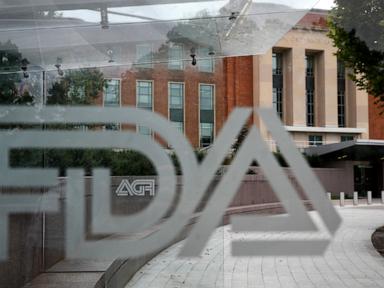
In a move that caught both industry titans and health advocates off guard, the FDA under the Trump administration signaled a seismic change in direction. For the first time, the agency authorized the marketing of fruit-flavored e-cigarettes for adults. This isn't just a policy tweak. It is a fundamental rewriting of the relationship between the government, the smoker, and the vapor that hangs between them.
Consider the hypothetical case of Sarah. Sarah is forty-two. She started smoking behind the gym in high school because she liked the rebellion of it. Twenty-four years later, the rebellion is gone, replaced by a persistent morning cough and the stale smell of ash in her hair. Sarah doesn't want a "tobacco-flavored" vape. Why would she? She spent two decades trying to escape that taste. She wants something that tastes like the fruit tarts she buys at the bakery. She wants a clean break.
The FDA's decision validates Sarah. It acknowledges a messy, human truth: if you want people to leave a deadly habit behind, you might have to give them something they actually enjoy.
The Great Pivot
For years, the regulatory stance was a fortress. The "vaping epidemic" among teens led to a scorched-earth policy regarding flavors. The logic was simple: keep it tasting like dirt or menthol, and the kids won't want it. But that logic left millions of adult smokers out in the cold. They were caught in a crossfire between the fear of a new generation getting hooked and their own desperate attempts to stop the slow-motion suicide of combustible cigarettes.
The recent authorization covers specific products, but the message it sends is universal. It suggests that the "harm reduction" model is finally winning out over "total abstinence."
Harm reduction is a gritty, pragmatic philosophy. It’s the seatbelt. It’s the needle exchange. It’s the acknowledgement that humans are flawed and will often choose the lesser of two evils if given the chance. By allowing fruit flavors back into the authorized fold, the government is effectively saying that the risk of a teenager picking up a vape is, in this specific regulatory context, outweighed by the potential for an adult to stop inhaling burning leaves and tar.
It is a gamble. A massive one.
The Science of the Senses
To understand why this matters, you have to look at the neurology of addiction. Tobacco isn't just about nicotine. It’s about the ritual. The "throat hit." The specific sensory feedback that tells the brain a craving is being met.
When a smoker switches to vaping, they are trying to trick their brain. They are keeping the nicotine and the hand-to-mouth motion but removing the carbon monoxide and the thousand-odd chemicals produced by combustion. However, if the experience is unpleasant—if the device tastes like a burnt wick or a dusty cigar—the brain rebels. It wants the "real thing."
Flavors act as a bridge. They provide a positive sensory experience that competes with the deep-seated memory of a cigarette. In various studies and anecdotal reports from cessation groups, smokers consistently point to non-tobacco flavors as the primary reason they were able to stick with vaping and avoid a relapse. They aren't looking for a "cool" lifestyle; they are looking for a way to make their life last longer without it tasting like a punishment.
The Political Pendulum
This shift didn't happen in a vacuum. It is a hallmark of the Trump administration’s broader approach to regulation: a skepticism of "nanny state" overreach and a preference for market-driven solutions. The appointment of leaders who prioritize deregulation has finally trickled down to the very pods and juices sitting on gas station shelves.
Critics are already sounding the alarm. They point to the skyrocketing rates of youth vaping in the late 2010s and fear we are inviting a ghost back into the house. They argue that "adult-only" marketing is a myth—that if a product exists and it tastes like candy, kids will find a way to get it.
But the administration’s defenders argue that the pendulum swung too far toward prohibition. They see a landscape where the black market flourished because legal, regulated options were too restrictive. By bringing these flavors under the FDA’s "authorized" umbrella, the agency can theoretically enforce stricter quality controls and age-verification hurdles than the guys selling bootleg liquids out of a car trunk.
The Invisible Stakes
What is often lost in the headlines is the sheer scale of the human impact. We talk about "public health" as if it’s a giant, monolithic entity. It isn't. It is Sarah. It is the grandfather who wants to see his grandson graduate. It is the construction worker whose lungs are already heavy from a lifetime of labor and needs one less thing weighing them down.
The math is brutal. Cigarettes kill roughly half of the people who use them long-term. If a fruit-flavored vape is even 50% less harmful—and many health bodies, including those in the UK, suggest the gap is much wider—then the math starts to look like a moral imperative.
The fear, of course, is the "on-ramp" effect. Will a new generation of non-smokers start vaping because it tastes like a summer breeze? This is the tension that keeps regulators awake at night. It is a balancing act on a razor’s edge. On one side, the potential to save millions of current smokers. On the other, the risk of hooking millions of new users.
The Reality on the Ground
Walk into any vape shop today and you will see the tension in person. You’ll see the twenty-something who never smoked a cigarette in their life, cloud-chasing for the aesthetic. And you’ll see the sixty-year-old woman, fingers stained yellow from decades of habit, tentatively asking which flavor will help her forget the taste of a Newport.
The FDA’s decision is an admission that we cannot ignore the sixty-year-old woman anymore.
It is a messy, complicated, and deeply human pivot. It moves us away from the clean, easy narratives of "all tobacco is evil" and into the gray zone of "how do we fail better?" It’s an admission that the world is not a classroom where everyone follows the rules, but a hospital ward where people are trying to survive their own choices.
The fruit-flavored pods are back. They come with a stamp of approval that would have been unthinkable five years ago. They carry with them the hopes of smokers and the nightmares of parents.
But for the first time in a long time, the person standing at the counter has a choice that doesn't taste like the past. They have a choice that tastes like something else entirely—even if that something else is just a temporary bridge to a cleaner breath.
The vapor rises. It smells like strawberry. It lingers in the air, sweet and heavy, a visible ghost of a policy that decided, finally, to meet people exactly where they are.