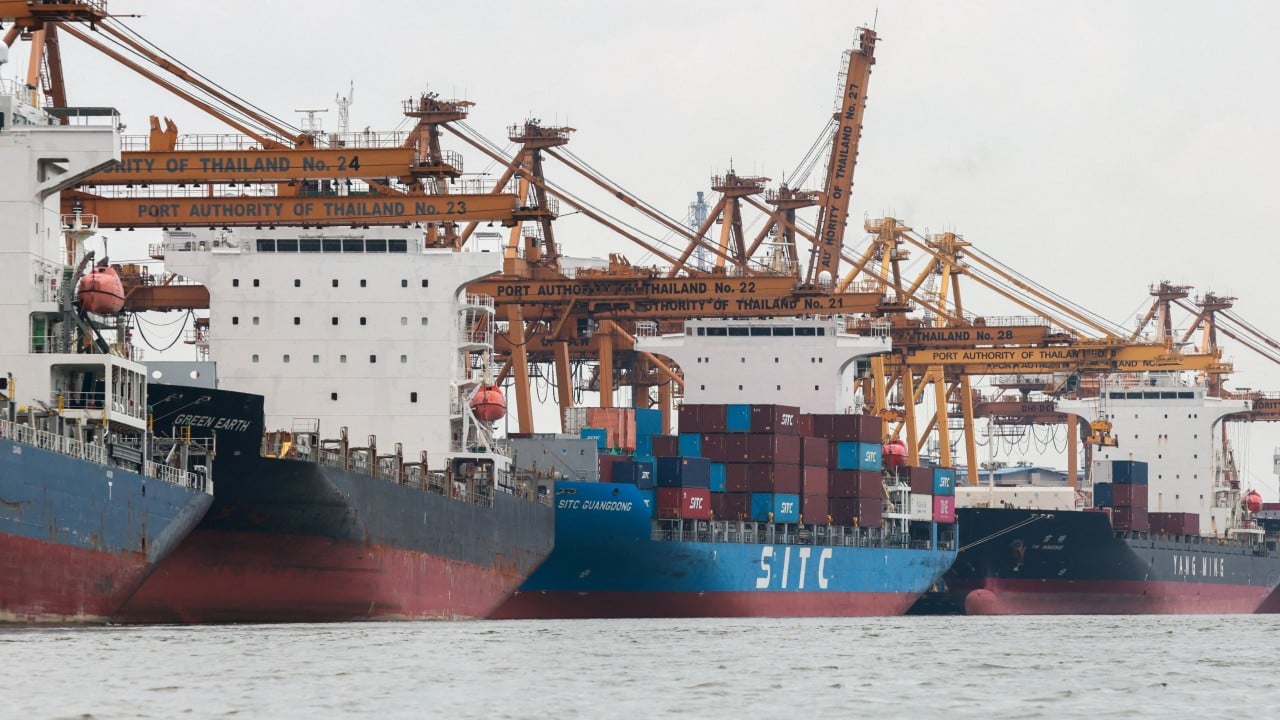
The Strait of Hormuz is a mess. That's the cold reality forcing global trade experts to lose sleep in 2026. Every time a tanker gets harassed or a drone flies too close to the Persian Gulf, the world's energy supply flinches. It's exactly this chaos that has breathed new life into Thailand's $31 billion Land Bridge project.
I've watched this plan surface and sink for decades. It's the "ghost project" of Southeast Asian logistics. But things feel different now. The Thai government isn't just talking about local growth anymore; they're selling the Land Bridge as the only "Plan B" left for a world terrified of maritime chokepoints.
The Chokepoint Dilemma
Right now, if you want to move goods from Europe to East Asia, you're basically stuck with the Malacca Strait. It's a 550-mile bottleneck that handles roughly 40% of global trade. It’s crowded, it’s prone to piracy, and honestly, it’s a single point of failure.
The Hormuz crisis reminded everyone that "alternative" isn't just a buzzword; it's survival. Thailand wants to capitalize on this fear. They're proposing two deep-sea ports—one in Ranong on the Andaman Sea and one in Chumphon on the Gulf of Thailand. Instead of sailing 1,200 miles around the Malay Peninsula, ships would drop cargo on one side, zip it across a 90-kilometer rail and road corridor, and pick it up on the other.
Does the Math Actually Work?
Critics say the "business case is lacking," and they've got a point. Here's what you won't hear in the government's glossy brochures:
- The Transshipment Tax: Unloading a ship, putting it on a train, and reloading it on another ship is expensive. It’s not just about the distance; it’s about the labor and the hardware.
- The Time Lie: The government claims a four-day time saving. That assumes the ports are perfectly synchronized. In the real world, cargo sits.
- The "Double Port" Problem: To make this work, shipping companies need to maintain fleets on both sides. Most carriers don't want the extra overhead.
But here's the counter-argument that's gaining ground in 2026: Geopolitical insurance is worth the premium. When the Strait of Hormuz is effectively closed or insurance rates for Malacca transit skyrocket, a 15% higher transport cost through Thailand suddenly looks like a bargain. Indonesia’s recent talk about imposing tolls on the Malacca Strait has only added fuel to the fire. If the neighboring countries start charging "rent" for the water, a Thai-controlled land route becomes a massive strategic lever.
Who is Actually Buying This?
The Thai administration isn't just asking for local tax money. They’re courting big fish. We’re talking about Singapore, DP World from Hong Kong, and even investors from the UAE.
Singapore’s involvement is the most telling. For years, Singapore saw any Thai bypass as a threat to their maritime crown. Now? They’re at the table. Why? Because they know the Malacca Strait is reaching a physical limit. By 2030, the traffic there is projected to be a permanent traffic jam. Singapore would rather own a piece of the Thai alternative than be the only port left standing in a blocked waterway.
The Real Risks No One Mentions
Let’s be real about why this might fail again. It isn't just the money.
- Local Resistance: People in Chumphon and Ranong don't all want a massive industrial corridor in their backyard. The environmental assessments are still a mess.
- Political Volatility: Thailand’s politics can change on a dime. This is a 10-year construction project. Investors need to know the next government won’t just scrap the whole thing to spite their predecessors.
- The "Kra Canal" Shadow: This project is the "diet" version of the centuries-old Kra Canal idea. People are skeptical because they’ve heard versions of this story since the 1600s.
What Happens Next?
The Thai government is pushing for cabinet approval by July 2026. If they get it, the bidding starts in the third quarter. We aren't talking about "if" the project is a good idea anymore; we're talking about whether someone is willing to gamble $31 billion on the fact that the world is getting more dangerous.
If you’re in logistics or global trade, don't ignore this. Even if the land bridge only captures 5% of Malacca’s traffic, it changes the power dynamic in Southeast Asia forever.
Next Steps for Observers:
- Watch the Bidding: If DP World or a major Chinese state-owned enterprise puts down a deposit in late 2026, the project is real.
- Monitor Insurance Premiums: Keep an eye on maritime insurance for the Malacca Strait. If those rates stay high, the Land Bridge's "lacking" business case suddenly finds its feet.
- Track the SEC Legislation: The Special Economic Zone (SEC) laws in Thailand will determine how much red tape investors have to cut through. If those laws pass by the end of the year, construction is likely to follow.
The era of relying on a few tiny strips of water is ending. Whether it's a bridge, a canal, or a new rail line, the world is desperate for a way around the world's most dangerous chokepoints. Thailand is just the first one to put a price tag on it.