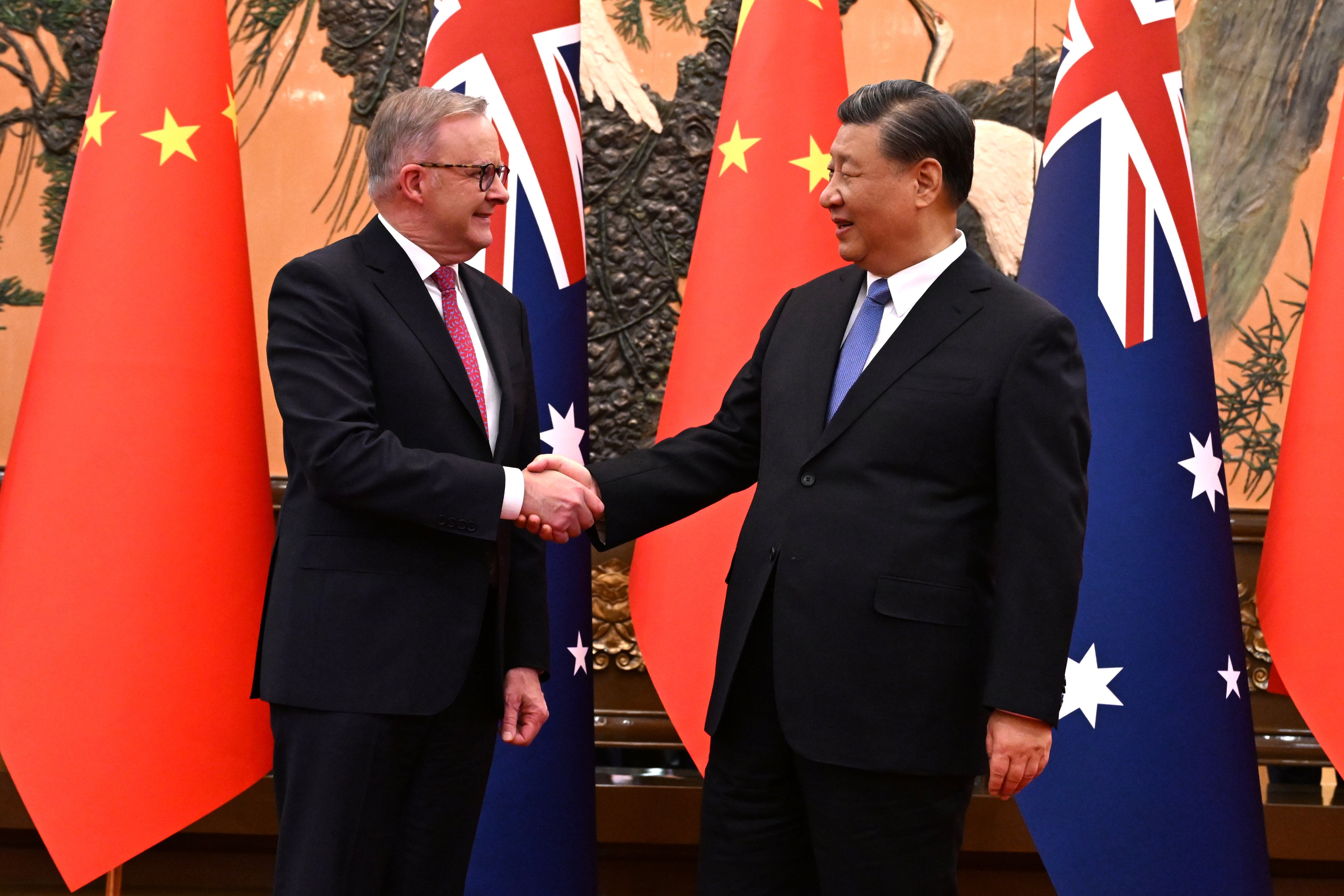
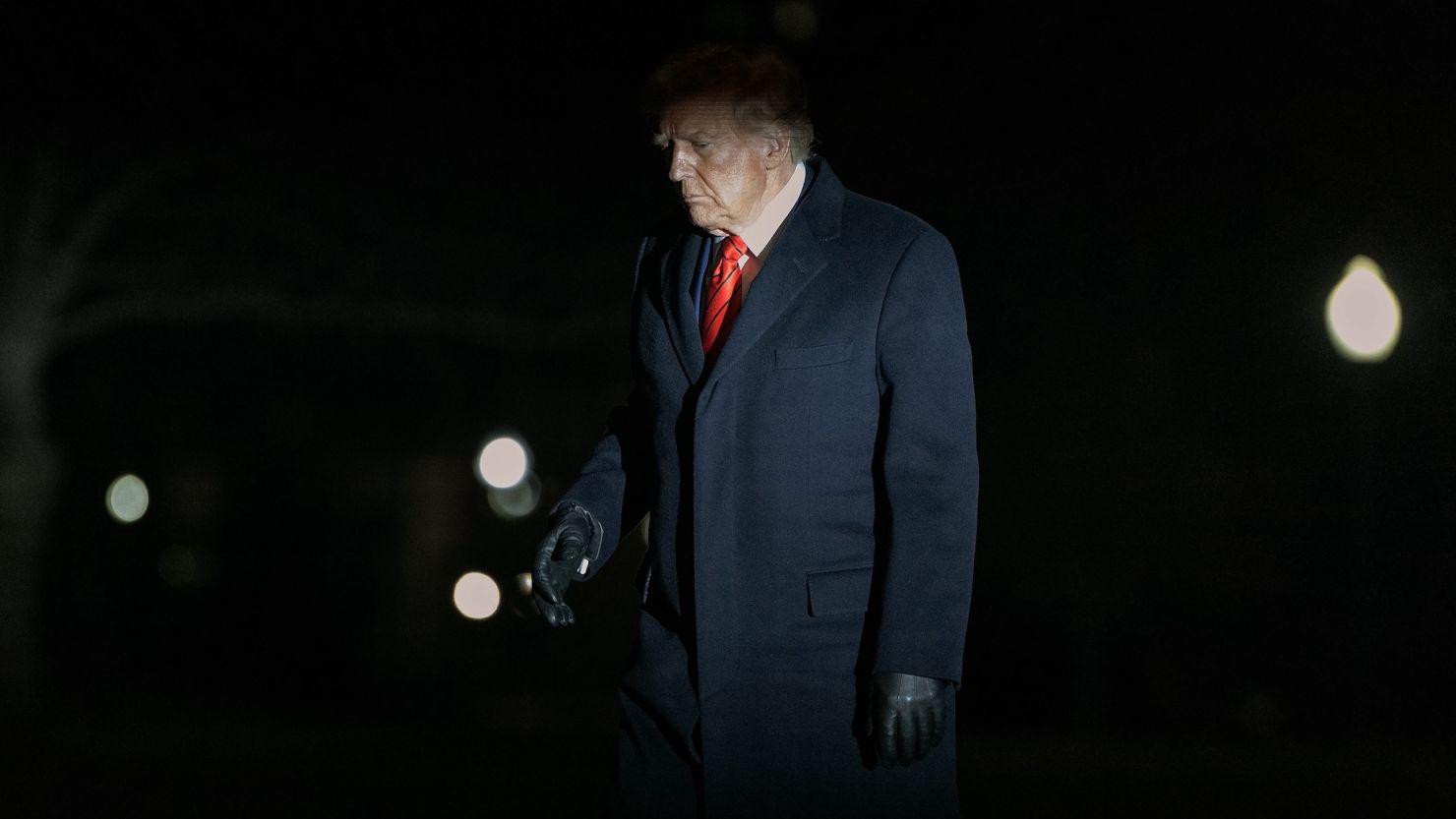
The peace talks in Islamabad didn't just stall; they blew up. After 21 hours of high-stakes haggling in Pakistan, Vice President JD Vance walked out of the room, boarded Air Force Two, and basically told the world that the "deal of the century" for the Middle East is dead.
Trump didn't wait for the jet to land before hitting Truth Social. He didn't just complain about the failed negotiations; he ordered a full-scale naval blockade of the Strait of Hormuz. We're talking about the world's most vital energy artery, and right now, the U.S. Navy is moving in to shut it down to anyone who isn't playing by Washington’s rules.
If you think your gas prices are high now, hold on. This isn't just another diplomatic spat. It's a fundamental shift in how this war is being fought.
The Islamabad Collapse
People expected a miracle in Pakistan. Pakistani Prime Minister Shehbaz Sharif and Army Chief Asim Munir spent weeks acting as the ultimate go-betweens, dragging U.S. and Iranian officials into the same room for the first time in over a decade. It was the highest-level meeting since the 1979 Revolution.
But the "Pakistan Plan" hit a brick wall. Vance was clear about why it failed: Iran wouldn't give an "affirmative commitment" to scrap its nuclear path. Trump's take? It's 99% about the nukes. If they won't budge on the weapons, there's no deal.
Iran had its own list. They wanted $6 billion in frozen assets released and the right to keep charging "tolls" on ships passing through the Strait. Trump calls those tolls "world extortion." He's not paying, and he's not letting them collect from anyone else either.
What a Blockade Actually Means
A blockade isn't just "monitoring." It's an act of war. The U.S. Navy is now tasked with intercepting every ship trying to enter or leave the Persian Gulf. Trump’s order was blunt: stop everything.
The Naval Chessboard
- Mine Sweeping: U.S. destroyers are already in the water, trying to clear the massive minefields Iran laid weeks ago.
- Interception: Any ship that paid an Iranian "toll" is now a target for U.S. boarding parties or seizure.
- Zero Tolerance: Trump’s "Blown to Hell" warning wasn't a metaphor. If an Iranian battery fires a single shot at a U.S. ship or a commercial tanker, the response will be total.
The $120 Barrel Reality
The economic fallout is going to hit your wallet by Monday morning. The Strait of Hormuz carries about 20% of the world's oil and massive amounts of Liquefied Natural Gas (LNG). When the "choke point" gets choked, the world stops moving.
Brent Crude already surged past $120. QatarEnergy has declared force majeure—basically a legal "we can't ship anything"—on its exports. This isn't just an American problem. Countries in Southeast Asia like Vietnam are already seeing petrol stations mobbed by people desperate for fuel. In Europe, the European Central Bank is sounding the alarm on stagflation. We're looking at a global recession that makes 2008 look like a warm-up.
Why the Ceasefire is a Joke
There’s technically a 14-day ceasefire in place until April 22, but nobody's acting like it exists. Israel is still hitting targets in Lebanon, and the U.S. is clearing mines in waters Iran claims as its own.
Iran’s Parliament Speaker, Mohammad Bagher Qalibaf, says the U.S. has to decide if it wants trust. But trust isn't the currency here; power is. By ordering the blockade, Trump is betting that he can starve the Iranian regime into a "Nuclear Zero" deal before the global economy collapses under the weight of $150 oil.
It's a massive gamble. Iran has already threatened "devastating" retaliation if the U.S. ships don't back off. They’ve got drones, they’ve got ballistic missiles, and they’ve got a desperate need to keep that water open on their terms.
What You Should Do Now
Don't wait for the "Official Crisis" notification on your phone. If you're running a business that depends on logistics or shipping, your costs are about to skyrocket.
- Lock in energy rates: if you can hedge your fuel or energy costs for the next six months, do it yesterday.
- Diversify supply chains: anything coming through the Gulf is now at risk of indefinite delay.
- Watch the April 22 deadline: that's when the formal ceasefire ends. If no new deal is reached by then, the "blockade" could turn into a hot war overnight.
The era of cheap, stable energy is over for the foreseeable future. Trump is leaning into "Maximum Pressure 2.0," and the Strait of Hormuz is the frontline. Either Iran folds on the nuclear issue, or the world's most important waterway stays a no-go zone.