Donald Trump loves to declare victory before the ink is dry. He just did it again, telling a podcast audience that a massive geopolitical crisis is basically solved. According to him, Iran has already agreed to walk away from any ambitions of building a nuclear weapon.
If true, it's the biggest foreign policy breakthrough in decades. If it's just classic Trump hyperbole, we're looking at a dangerous game of diplomatic chicken that could blow up the Middle East.
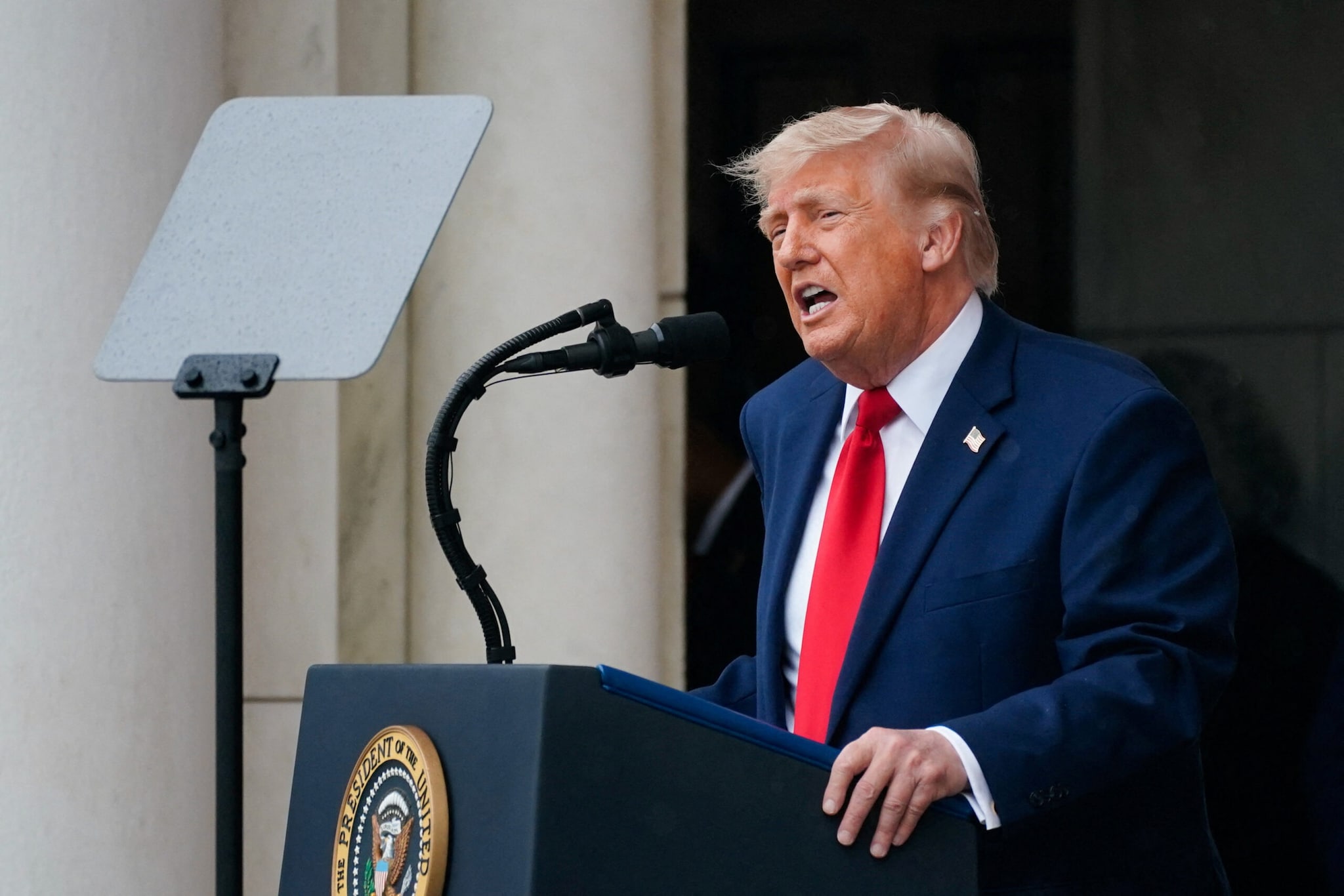
Speaking on the "Pod Force One" podcast, Trump dropped a bombshell that caught regional experts and intelligence agencies by surprise. "They've already agreed they're not going to have a nuclear weapon," Trump stated confidently. He didn't offer a signed piece of paper. He didn't outline specific verification protocols. He just stated it as an absolute fact.
To make things more interesting, Trump revealed that Iranian Supreme Leader Mojtaba Khamenei is directly involved in these back-channel negotiations. This isn't just low-level diplomats talking in Swiss hotels. This is the top of the food chain in Tehran signing off on the conversations. Trump even mentioned he expects to meet the reclusive Iranian leader face-to-face eventually, depending on how things shake out.
But anyone tracking this conflict knows the ground reality is a lot messier than a quick podcast soundbite.
The Brutal Backdrop of the 2026 Talks
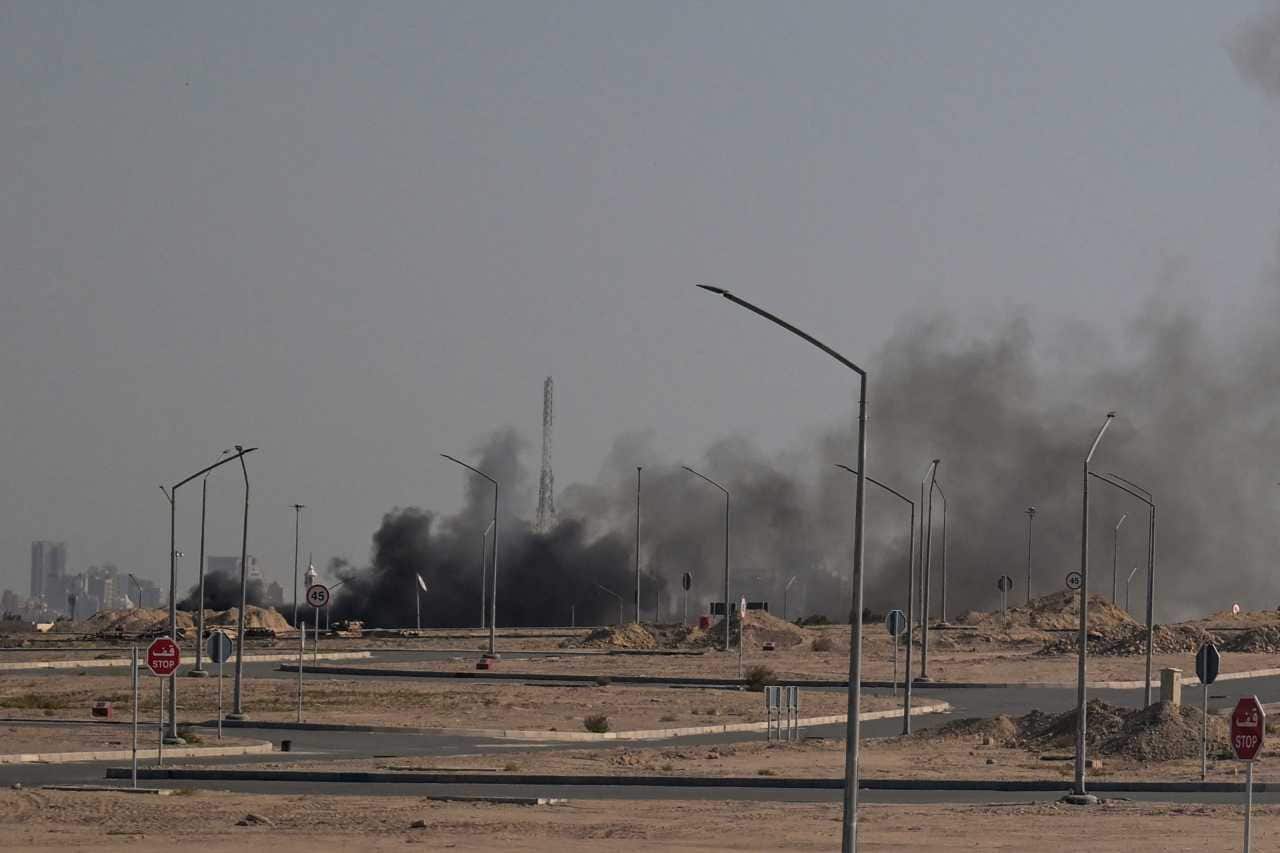
You can't understand Trump's claims without looking at the wreckage of the last year. The conflict that ignited back on February 28 with heavy U.S. and Israeli airstrikes inside Iran completely upended the region. It shattered global energy markets and sent oil prices into a tailspin.
Trump is calling the military campaign an absolute success, arguing that Iran's conventional military capability has been soundly defeated. That pressure is exactly why he thinks Tehran is pulling up the white flag on their nuclear program.
Key Timeline Milestones:
- April 2025: High-level talks spark in Oman, setting up a tense 60-day deadline.
- February 2026: Heavy U.S.-Israeli strikes hit Iranian strategic targets.
- June 2026: Trump announces a tentative verbal deal via back-channels.
Tehran is hurting. Badly. The combination of intense military pressure, economic isolation, and domestic instability has pushed the regime into a corner. When a regime faces existential survival, it starts talking. But agreeing "not to have a nuclear weapon" in a secret negotiation is miles away from a verifiable, permanent disarmament pact.
Reading Between the Lines of the Supreme Leader's Approval
The mention of Mojtaba Khamenei is the most telling part of this whole development. Trump noted he hears the Iranian leader isn't doing too well physically, but is actively giving the green light during these intense negotiations.
For decades, getting the Supreme Leader's office to directly engage with Washington without multiple layers of deniable intermediaries was nearly impossible. The fact that the Ayatollah's camp is sending signals of approval tells you how desperate the Iranian leadership is to halt further airstrikes.
But let's be realistic about what an Iranian "agreement" looks like right now. The old 2015 nuclear deal, the JCPOA, is dead and buried. It officially expired late last year after European powers triggered the snapback mechanism on sanctions. Iran spent years enriching uranium up to near-weapons-grade levels, hovering right on the edge of breakout capacity.
When Trump says they agreed not to have a weapon, he likely means they've promised to halt enrichment at current levels and stop weaponization. They aren't going to suddenly forget how to build a bomb. The technical knowledge is already locked in their heads.
The Looming Clash with Israel
While Trump is busy declaring a major victory, a massive rift is opening up between Washington and Jerusalem. During the same interview, Trump didn't hide his annoyance with Israeli Prime Minister Benjamin Netanyahu. He openly admitted he was perturbed by Netanyahu "constantly fighting with Lebanon" and driving regional escalation.
This highlights the core friction in the U.S.-Israel alliance right now:
- Trump's Goal: Get a quick, high-profile deal, stop the bleeding on global energy markets, and avoid getting bogged down in an unpopular war months before the U.S. congressional elections. He explicitly stated, "We don't need boots on the ground now."
- Netanyahu's Goal: Total dismantlement of the Iranian proxy network and an absolute, verifiable destruction of Iran's nuclear infrastructure, regardless of how long it takes.
Netanyahu immediately tried to downplay the tension, insisting that Israel and the U.S. remain on the same page regarding threats like Hezbollah. But Netanyahu also publicly reminded everyone that Trump will ultimately have to decide whether to return to full-scale military action if these talks collapse.
Trump himself acknowledged this risk. He noted that if a final deal doesn't come together, "We'll do it the other way," signaling a return to devastating airstrikes.
How to Verify if This Deal is Real or Hype
If you want to know whether this is a genuine foreign policy triumph or just a temporary pause in a brutal war, you need to ignore the rhetoric and watch specific, tangible indicators over the next few weeks.
First, look at International Atomic Energy Agency access. Verbal promises to a U.S. envoy mean absolutely nothing without international inspectors back on the ground inside Fordow and Natanz. If Iran doesn't grant immediate, unfettered access to its nuclear sites, the deal is a ghost.
Second, track the uranium stockpiles. Iran has been holding onto highly enriched uranium. A real agreement requires them to ship that material out of the country or blend it down to low enrichment levels suitable only for commercial power. If they keep the material, they keep the gun loaded.
Finally, keep an eye on oil flows and sanctions relief. Watch for quiet waivers allowing Iranian crude back into Asian markets. If the financial spigots start turning back on, it means Washington is satisfied with whatever steps Tehran is taking behind closed doors. If sanctions remain locked tight, the podcast announcement was just a leverage play.
Trump is betting his reputation that maximum military pressure has finally broken Iran's nuclear ambitions. We will find out very quickly if Tehran is actually surrendering its ultimate leverage, or just buying time to rebuild its shattered conventional defenses.