Donald Trump just dropped a historical bombshell in the middle of a high-stakes diplomatic meeting, and it’s got everyone from Tokyo to DC scratching their heads. While sitting in the Oval Office with Japanese Prime Minister Sanae Takaichi, Trump didn't just defend his decision to keep allies in the dark about recent strikes on Iran—he leaned into one of the most painful chapters of the 20th century to do it.
"We didn't tell anybody about it because we wanted surprise," Trump told a group of reporters. Then, he turned to Takaichi and asked, "Who knows better about surprise than Japan? Why didn't you tell me about Pearl Harbor, okay? Right?"
It’s classic Trump. It’s blunt, it’s jarring, and it’s calculated to make a point about his "America First" military doctrine. But beneath the shock value of a U.S. President joking about a sneak attack that killed over 2,400 Americans, there’s a much deeper story about how the U.S. is handling the 2026 Iran conflict.
The Strategy of the Silent Strike
The backdrop here is Operation Epic Fury. On February 28, 2026, the U.S. and Israel launched a massive, unannounced aerial assault on Iranian military infrastructure. It wasn't just a "warning shot." Reports suggest the initial 48 hours of bombing wiped out nearly 50% of Iran’s immediate retaliatory capability.
Critics and allies alike have been fuming because they weren't given a heads-up. Japan, which relies on the Strait of Hormuz for nearly all its oil, was left completely exposed to the resulting price spikes and regional chaos. When Takaichi came to Washington this week, she wanted answers. She got a history lesson instead.
Trump’s logic is simple: if you want to win, you don't call a committee meeting first. He’s essentially arguing that the era of "coalition building" and "diplomatic consensus" is dead. In his view, the success of the Iran strikes—which he claims were more effective than anyone anticipated—proves that keeping secrets from your friends is a small price to pay for tactical superiority.
Why the Pearl Harbor Comparison Stung
You could see the discomfort on Prime Minister Takaichi’s face. She’s Japan’s first female prime minister, navigating a delicate balance between a pacifist constitution and a neighborhood that’s getting more dangerous by the day. To have the 1941 attack on Hawaii used as a punchline or a tactical benchmark is, frankly, bizarre.
But for Trump, Pearl Harbor is the ultimate symbol of what happens when a military uses total surprise to achieve a massive result. He isn't interested in the moral or historical baggage; he’s interested in the mechanics of the "gotcha" moment. By bringing it up, he’s telling the world—and specifically our Pacific allies—that the U.S. is playing by the old rules now. No more telegraphing moves. No more "red lines" that don't mean anything.
The Economic Fallout for Japan
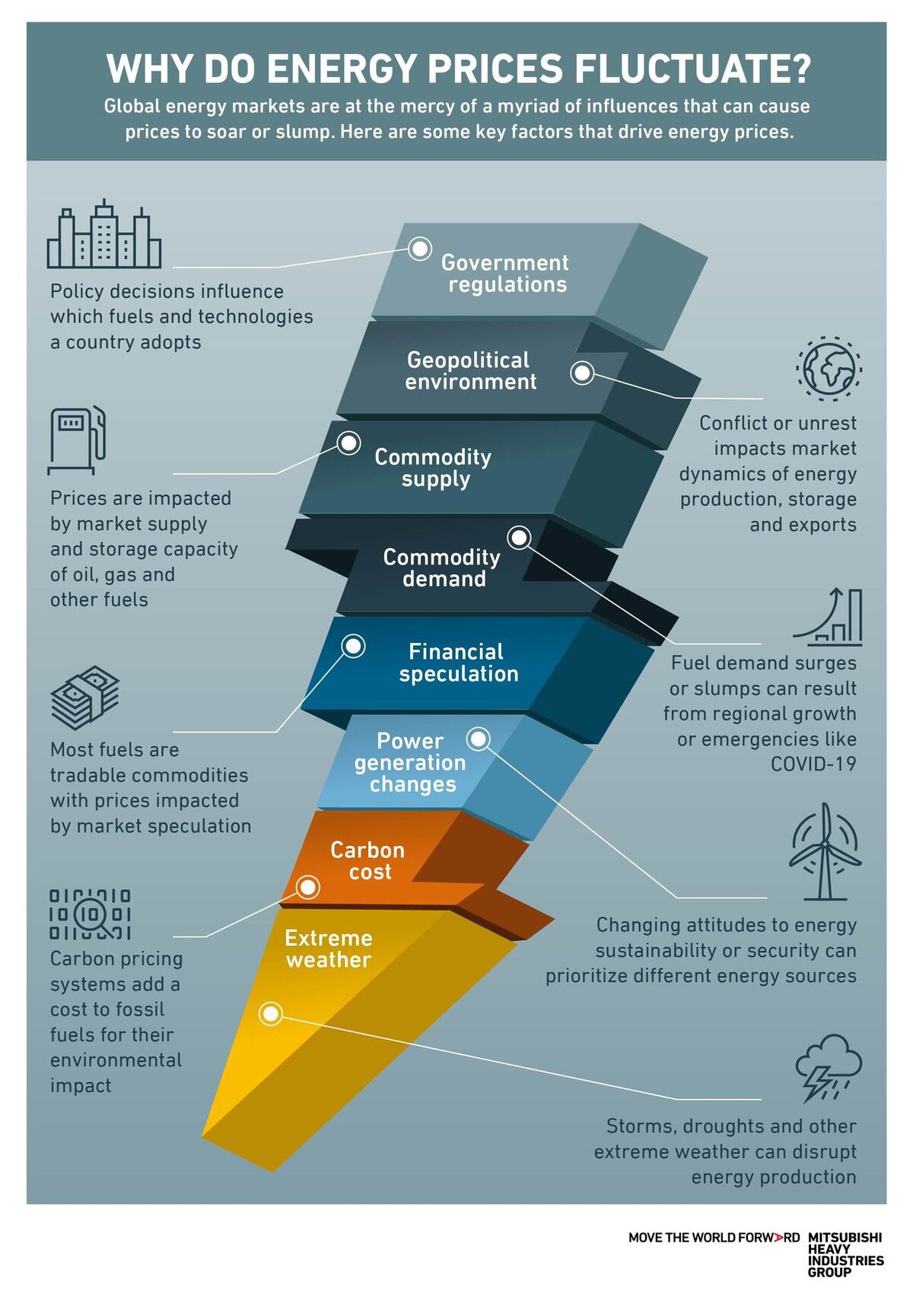
It’s not just about hurt feelings. There’s a massive economic reality that Trump is using as leverage. Since the war started three weeks ago, global oil prices have jumped 40% to 50%. Iran has effectively choked off the Strait of Hormuz, and Japan is feeling the squeeze harder than almost anyone else.
Trump’s message to Takaichi was transparent: if you want your oil back, stop complaining about not being told and start helping us "finish off" what’s left of the Iranian regime. He’s tired of the U.S. footing the bill for global security while countries like Japan and various NATO members reap the benefits of "protected" trade routes without getting their hands dirty.
A New Doctrine for 2026
We’re seeing the birth of a "Decapitate and Delegate" foreign policy.
- Step 1: Use overwhelming, secret force to take out the head of the snake (like the strike that killed Supreme Leader Ali Khamenei).
- Step 2: Tell everyone else they’re responsible for the cleanup.
It’s a high-risk gamble. By alienating the very partners needed to stabilize the Middle East after the bombs stop falling, the administration might be winning the battle but losing the peace. Trump doesn't seem to care. He told PBS News earlier this week that he’s "not gonna talk about strategy with a reporter," but his actions speak for themselves. He wants a quick, dirty win and he wants someone else to pay for the rebuilding.
What This Means for You
If you're watching the headlines and wondering if this is just more "Trump being Trump," you're missing the forest for the trees. This isn't just a gaffe. It’s a signal that the U.S. military is no longer acting as the world’s polite policeman.
Expect more unilateral moves. Expect more "surprises" that catch both enemies and allies off guard. And most importantly, expect the price of gas and goods to stay volatile as the U.S. forces its allies to choose between total support or total independence.
The immediate next step for anyone following this is to keep a close eye on the Strait of Hormuz. If Japan and other "non-responsive" allies don't step up their naval presence there soon, Trump has already threatened to let the chips fall where they may—which could mean $200-a-barrel oil before the summer even starts.