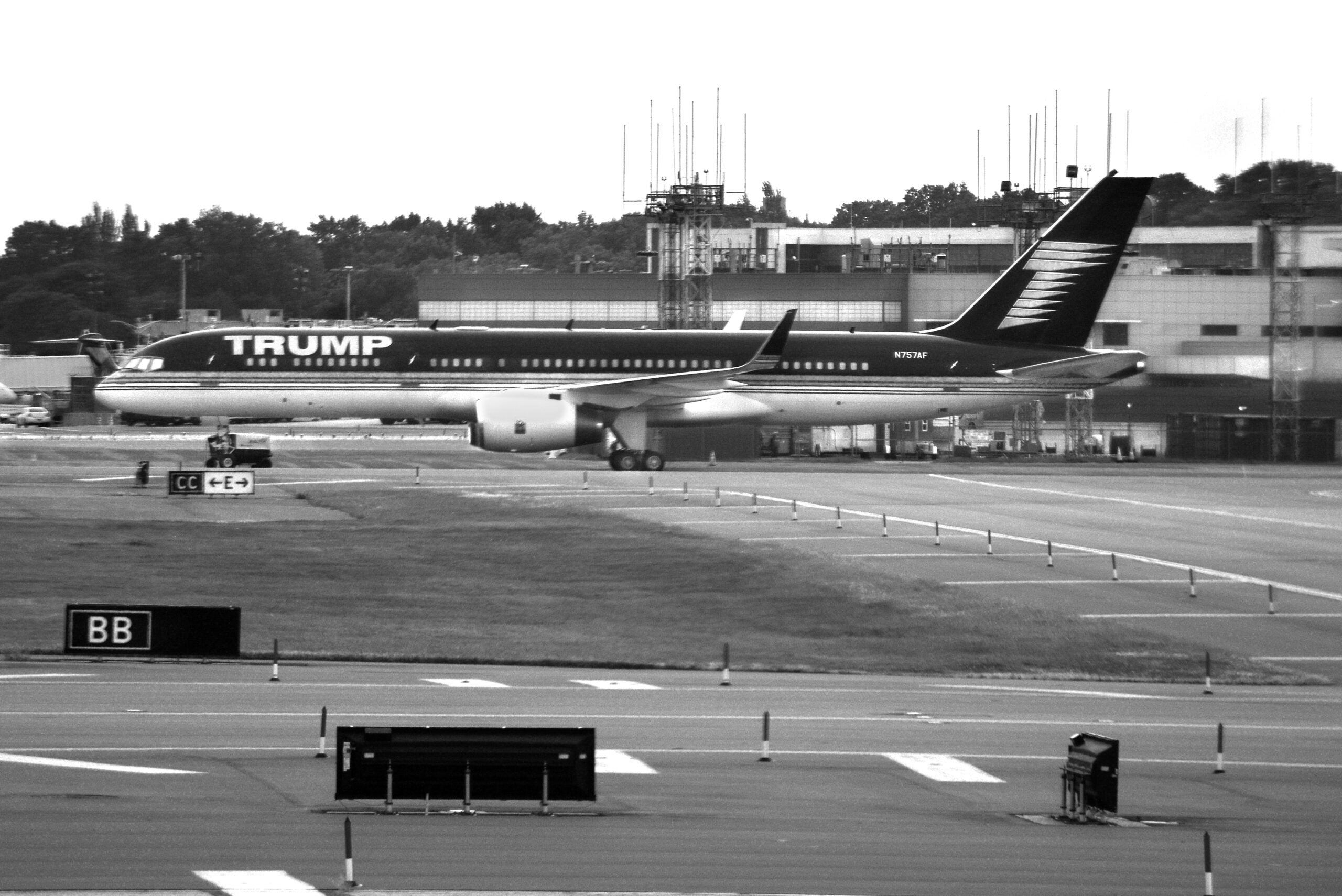
Naming rights are the last refuge of the unimaginative. When news broke that Palm Beach International Airport might be rebranded for Donald Trump alongside a proposed skyscraper library, the "professional" class of urban planners and political pundits did exactly what they always do: they argued about aesthetics and optics. They missed the entire point of the play.
This isn't about a sign on a terminal. This is about the weaponization of civic infrastructure as a balance sheet asset. Most people see an airport and think of TSA lines and overpriced Cinnabons. An "insider" sees a captive audience and a permanent, taxpayer-funded billboard located at the exact intersection of logistics and ego.
The Myth of Civic Neutrality
The loudest critics claim that naming public works after polarizing figures "damages the brand" of a city. This is a fundamental misunderstanding of how municipal branding works. A city’s brand isn't determined by the name on its airport; it's determined by its tax code, its regulatory environment, and its ability to move capital.
Whether it is John Wayne in Orange County or Reagan in D.C., the name on the gate is a signal of dominance, not a consensus-building exercise. If you are waiting for a name that everyone likes, you will end up with "Palm Beach Regional Hub #4." Neutrality is a slow death for a city's relevance.
The Skyscraper Library Fallacy
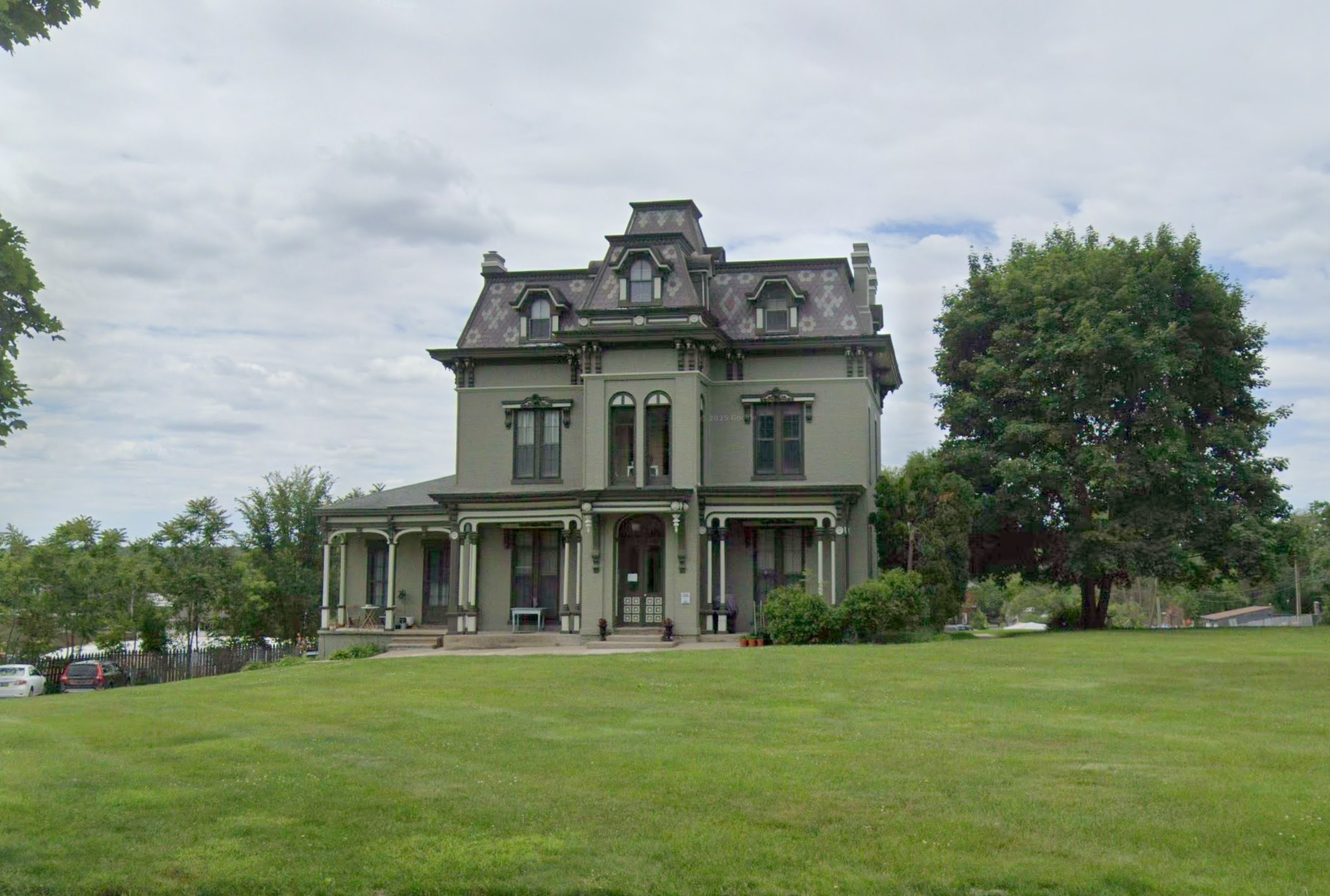
The competitor's coverage focuses on the "design" of the skyscraper library as if it were a standard architectural project. It isn't. It is a vertical monument to the breakdown of the traditional library model.
Traditional libraries are horizontal. They are designed for accessibility and quiet. A skyscraper library is an oxymoron designed for visibility and density. It’s a trophy. In the business of high-stakes development, the "library" is often the Trojan horse used to bypass zoning restrictions or to secure "cultural" tax breaks for what is essentially a luxury tower. I’ve watched developers use this tactic for decades—labeling a building "educational" or "public-use" to squeeze an extra 20 stories of height out of a city council that is too scared to say no to "culture."
The Logic of Verticality
Why build up in a state where the ground is literally porous limestone? Because height is the only currency in Florida real estate that doesn't depreciate.
- Visibility: You can’t see a 2-story library from the highway. You can see a 60-story tower from the cockpit of an arriving Gulfstream.
- Scarcity: Land is finite. Air rights are where the real money is made.
- Psychology: A skyscraper says "I am here to stay" in a way a municipal park never can.
Why the Rebrand Actually Makes Financial Sense
Let’s talk about the numbers the mainstream media refuses to crunch. Airport naming rights are usually sold to banks or telecom giants for tens of millions of dollars. When a politician's name goes on the building, the "value" is different. It’s a permanent anchor for a specific demographic of high-net-worth travelers.
If you are a billionaire looking to park capital in South Florida, are you going to fly into an airport named after a generic fruit, or one that signals a specific, pro-business, deregulation-heavy ideology? It is a filter. It tells certain types of investors that they are "home" before they even clear the runway.
"Civic branding is not about who you attract; it is about who you exclude. By naming an asset after a lightning rod, you create an instant, fiercely loyal ecosystem for your supporters while making your detractors pay you landing fees anyway."
The Counter-Intuitive Truth About Infrastructure
We are taught that infrastructure should be "invisible" and "efficient." That is a lie sold to the middle class. Infrastructure is the ultimate expression of power.
When a private citizen—especially one who has occupied the highest office—integrates their personal brand into the literal tarmac of a city, they are performing a "hostile takeover" of the public consciousness. You can hate the name, but you still have to use the Wi-Fi. You still have to pay the parking fees. You still have to acknowledge the reality of the structure.
The Failure of the "Traditional" Presidential Library
The competitor piece treats the skyscraper library as a weird outlier. In reality, the traditional presidential library model is failing. They are expensive, low-traffic mausoleums located in the middle of nowhere.
Putting a "library" in a skyscraper at a major transit hub is, frankly, the only way to make a presidential library relevant in 2026. Nobody is driving three hours into the woods to look at a digitized copy of a trade agreement. But they might visit a high-rise observation deck with a bar and a gift shop that happens to have a few archives in the basement. It’s a pivot from "education" to "entertainment-logistics."
Real-World Mechanics of the Play
- The Rename: Triggers a massive, free global marketing campaign. Every news outlet in the world says the name "Trump" and "Airport" in the same sentence for six months. Cost: $0.
- The Zoning: The "Library" designation allows for height variances that a standard condo tower would never get.
- The Revenue: Increased foot traffic from "political tourists" who visit the airport just to take a selfie with the sign.
The Risk Nobody Admits
There is a downside, and it’s not "hurt feelings." The risk is brand obsolescence. If the brand attached to the airport craters in 50 years, the cost to "de-brand" is astronomical. It involves changing every map, every digital ticket, every highway sign, and every FAA filing.
But for a developer or a politician, 50 years is an eternity. They are playing for the 5-year cycle. They are playing for the immediate appreciation of the surrounding land they already own.
Stop Asking if it’s "Good"
The question isn't whether naming an airport after Trump is "good" or "appropriate." That is a playground debate. The real question is: Who owns the air?
By the time the public finishes arguing about the font on the sign, the permits will be signed, the concrete will be poured, and the skyscraper will be casting a shadow over the critics. In the world of real estate, if you aren't the one putting your name on the building, you're the one paying the rent.
Build the tower. Change the sign. The market doesn't care about your protest; it cares about the tailwind.
If you want to stop a monument, stop looking at the design and start looking at the tax breaks. Everything else is just noise for the passengers in coach.