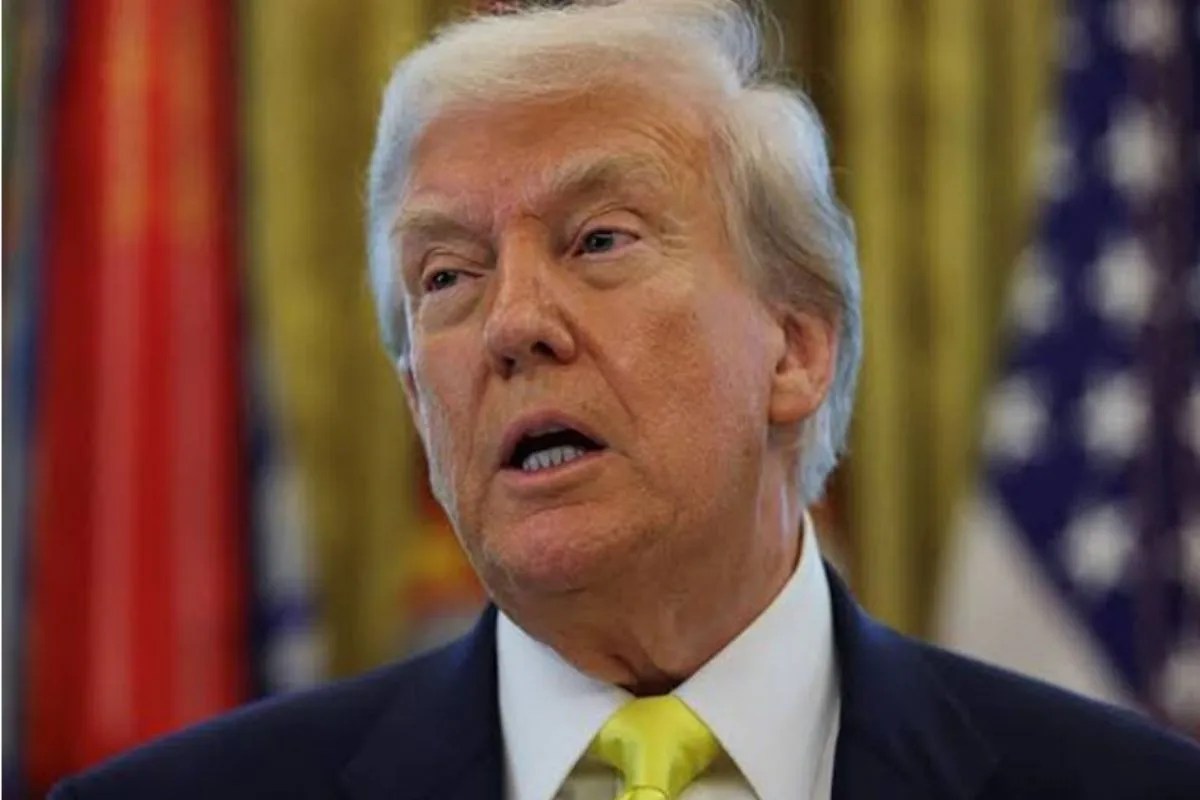
The headlines screamed panic. Donald Trump cut his weekend short at Camp David, bolting back to Washington as the Middle East boiled over. The mainstream narrative wrote itself in real-time. Emergency meetings. Imminent military strikes. A commander-in-chief reacting to a sudden regional powder keg.
Every single pundit bought the lazy consensus. They looked at a canceled getaway and saw a crisis response. They are entirely wrong.
When a seasoned negotiator breaks rhythm, it is rarely because he is reacting to events. It is because he has seized control of the clock.
Look past the cable news panic porn for a second. What actually happens when a president stays sequestered at a presidential retreat during a geopolitical flare-up? Telephones, encrypted video feeds, secure bunkers. Modern statecraft does not require a physical Oval Office chair to authorize a drone strike or negotiate a ceasefire. The physical relocation from a Maryland mountain cabin back to the capital is theater with a very specific, calculated utility.
The lazy consensus assumes Trump was summoned back by worried generals. The reality is far more cynical and far more effective. He came back because the optics of leisure during a bloodbath are a domestic political liability, sure, but more importantly, because physical presence in Washington alters the psychological leverage in negotiations across the Atlantic.
For decades, foreign policy experts have clung to a comforting illusion. They believe that Middle Eastern conflicts are resolved through patient multilateral diplomacy, endless UN resolutions, and delicate state department communiques. I have watched career bureaucrats burn billions of taxpayer dollars and precious months chasing diplomatic mirages while actors on the ground simply exploited the talk-shop cycle to rearm.
Diplomacy without a credible, erratic threat of absolute disruption is just expensive small talk.
When a leader ditches a weekend of golf to return to the center of power, foreign capitals stop reading press releases and start calculating risk. They do not care about the moral weight of American concern. They care about predictability, and right now, the primary asset of American foreign policy in this theater is its calculated unpredictability.
Let us address the core question everyone keeps asking: Does a sudden return to Washington mean all-out war is locked in?
The question itself reveals a fundamental misunderstanding of modern asymmetric deterrence. War is not a light switch flipped by an angry executive in a secure room. It is a slow accumulation of economic levers, backchannel ultimatums, and psychological warfare. By cutting his weekend short, Trump forced every regional player to immediately re-evaluate their exposure. Teheran, Jerusalem, and every proxy network in between had to spend their Sunday night guessing whether the flight back to DC signaled a green light for kinetic action or a final, suffocating tightening of economic tourniquets.
That is not reacting to a crisis. That is weaponizing uncertainty.
The establishment hates this because it bypasses their preferred intermediaries. Career diplomats thrive on process. They want memos, summits, joint statements, and six-month transition periods. They want to manage the decline. Trump’s playbook has always been to compress timelines so drastically that traditional diplomatic stalling tactics fail.
Admit the downside of this approach, because every strategy has a price. Unpredictability creates friction with traditional allies. European capitals hate waking up to sudden schedule changes and frantic weekend mobilizations because it disrupts their carefully curated consensus models. It creates short-term market volatility. It causes nervous tremors in boardrooms from London to Tokyo.
Yet, decades of predictable, process-driven foreign policy got us a permanent state of low-grade combustion across the Levant. The traditional playbook has zero track record of permanent resolution. It only manages the body count.
So when you see a president pack his bags early, stop buying the melodrama of an administration caught off guard. Look at who is sweating in foreign capitals trying to figure out what leverage just shifted.
The crisis didn't change because a weekend was cut short. The game just accelerated, and the people who profit from endless, slow-motion diplomacy hate that they can no longer control the speed.
Stop waiting for a diplomatic breakthrough. Watch the leverage points instead.