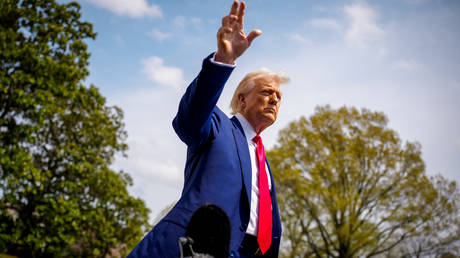
Don't let the handshakes and the Nobel Peace Prize talk fool you. The relationship between Washington and Moscow isn't getting "fixed"—it's being dismantled and sold for parts. By March 2026, the second Trump administration has effectively tossed the old Cold War playbook into the shredder, replaced by a brutal, transactional style of power politics that leaves both friends and enemies guessing who's actually in charge.
If you're looking for the usual diplomatic nuance, you won't find it here. The "new reality" is that Trump isn't interested in containing Russia in the traditional sense. He's interested in a deal. But Vladimir Putin is a veteran of the long game, and he's currently betting that he can outwait an American president who views global security through the lens of a balance sheet.
The 28 Point Gamble for Ukraine
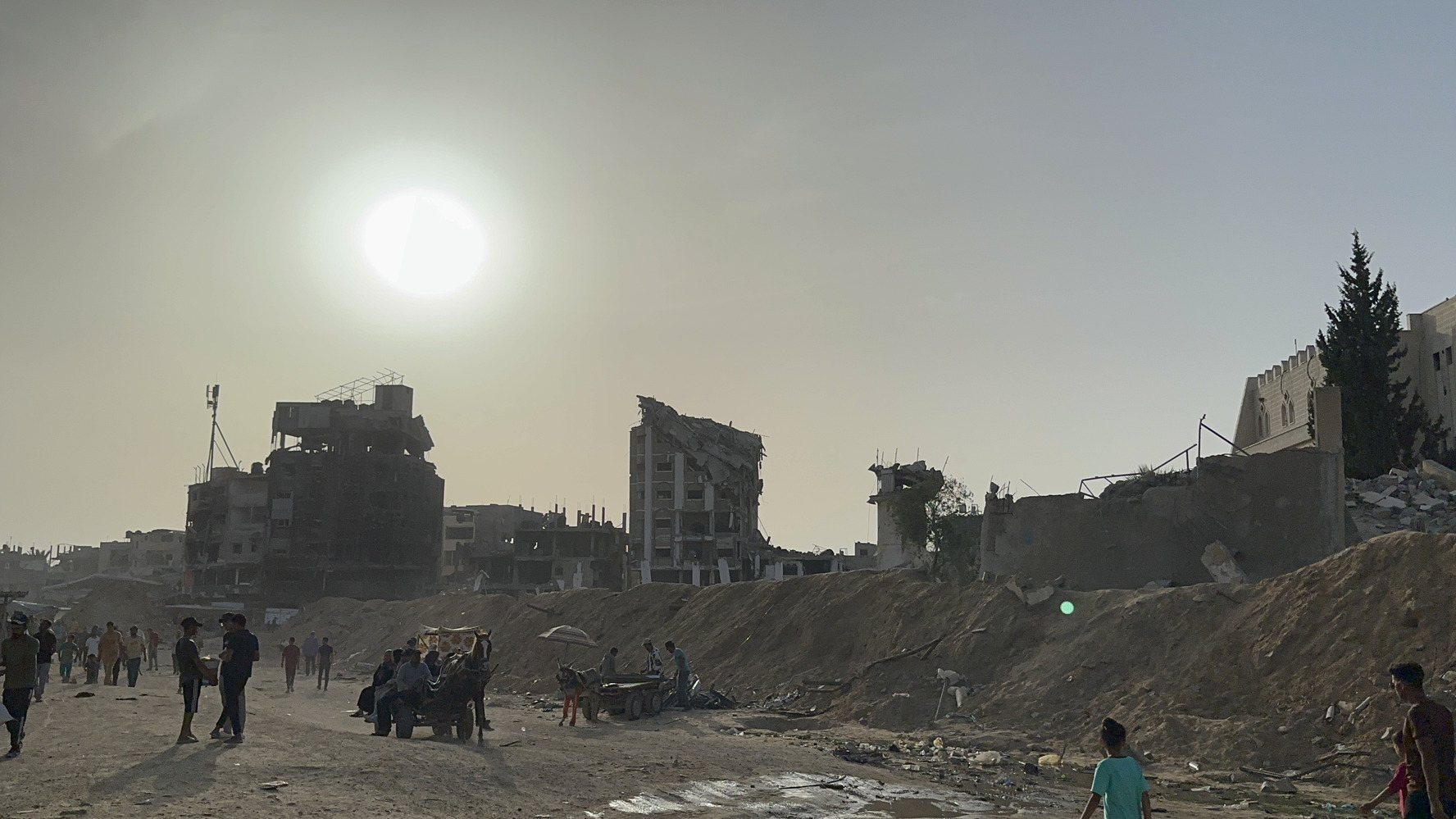
The center of this storm is the now-infamous U.S. peace proposal for Ukraine. It’s a document that has sent shockwaves through European capitals because it does something once unthinkable: it treats territorial sovereignty as a negotiable asset.
The 2025 National Security Strategy (NSS) signaled this shift early on. It moved away from calling Russia an "acute threat" and instead focused on "managing European relations." In plain English, that means the U.S. is done being the primary financier of the war. Trump’s team has already put a 28-point plan on the table that envisions sweeping concessions. We’re talking about de facto Russian control over Crimea, Luhansk, and Donetsk.
Russia isn't just saying yes and heading home, though. Putin’s strategy is what analysts at Chatham House call a "slow tango." He’s keeping Trump interested with minor gestures—like a temporary energy ceasefire—while his army continues a grinding offensive. In January 2026 alone, Russia launched over 6,000 missiles and drones at Ukrainian cities. That’s a massive spike from the previous year. Putin wants to win at the negotiating table what he couldn't quite seal on the battlefield, and he knows Trump’s patience has a very short fuse.
The Trump Corollary and the Monroe Doctrine
While the world is obsessed with Ukraine, the real tectonic shift is happening in how Washington views its own neighborhood. The administration has introduced what's being called the "Trump Corollary" to the Monroe Doctrine. This isn't just academic talk. It’s a hard pivot.
The 2026 National Defense Strategy makes it clear: the U.S. military is being "right-sized" to focus on the Western Hemisphere. The goal is reasserting dominance over the Americas, focusing on migration and "narco-terrorists" in Mexico and Venezuela. By telling Russia and China that the U.S. is pulling back from its "policeman of the world" role in Europe and Asia, Trump is essentially offering a trade. He stays out of their "near abroad" if they stay out of his.
Alliances Are Now Subscriptions
If you're a NATO ally in 2026, you're not a partner; you're a customer. The June summit in the Hague was a brutal wake-up call. Under intense pressure, allies pledged to hike defense spending to 5% of their GDP. Trump’s "transactional nationalism" treats security guarantees as a service that requires a premium subscription.
This creates a massive opening for the Kremlin. Moscow's "Eurasianism" doctrine mirrors Trump’s "Illiberal Atlanticism" in a weird, dark way. Both leaders seem to prefer a fragmented Europe made up of sovereign nation-states rather than a unified European Union.
- Russia wants to pull Europe away from the "collective West."
- Trump wants to weaken the EU to get better trade deals.
- Both see the current international order as a relic that needs to go.
The danger here is obvious. By treating NATO as a protection racket, the U.S. is eroding the very trust that kept the peace for eighty years. China is already hovering, waiting to fill the void. They’re watching how Trump handles Putin to see how he'll handle Taiwan. If Washington sells out Kyiv for a quick "win," why should Taipei feel safe?
The Middle East Wild Card
You can’t talk about Russia without talking about Iran. This is where the "bromance" between Trump and Putin hits a wall. In early 2026, the U.S. and Israel launched strikes against Iranian nuclear facilities. This puts Moscow in a corner.
Russia needs Iran for its drone supply chain, but it can’t afford to get dragged into a high-intensity conflict with a nuclear-armed U.S.-Israel coalition. This is the one area where Trump’s aggression actually limits Putin’s leverage. The Kremlin is forced to navigate a "perilous geometry" where they have to support Tehran enough to keep their partner, but not so much that they lose their seat at the bargaining table with Trump.
What Happens When the Clock Runs Out
Trump is staring down a self-imposed deadline. He wants a Nobel-worthy peace deal by the summer of 2026. This "peace at any cost" mentality is exactly what Putin is banking on.
The Russian economy is hurting, but it isn't broken. They’ve managed to bypass sanctions through "gray imports" of chips and machinery. If the U.S. doesn't move to permanently cut off these financial arteries by June, Putin will just keep dragging his feet. He knows that as the 2026 midterm elections approach, Trump will be even more desperate for a "win" to show voters.
If you want to understand where this is going, watch these three things:
- The "Shadow Fleet" Inspections: Europe is starting to use environmental regulations to board Russian oil tankers. If they successfully choke off Russia’s energy cash, Putin’s "slow tango" will have to speed up.
- The 19-Point Plan Revision: The U.S. peace plan is reportedly being slimmed down. Watch for whether it includes "security assurances" for Ukraine. Without them, any ceasefire is just a lunch break before the next invasion.
- Defense Spending in the EU: If Germany and France actually hit that 5% GDP mark, they gain the leverage to tell Washington "no." Until then, they're just passengers on the Trump-Putin express.
The reality of 2026 isn't a return to "great power competition." It’s the arrival of "great power collusion," where the biggest players try to carve up the map before the ink on the latest trade deal dries. It’s a high-stakes game of chicken, and the rest of the world is just trying not to get hit by the debris.
Keep an eye on the June deadline. If no deal is reached, expect the U.S. to pivot even harder toward the Western Hemisphere, leaving Europe to face a resurgent Russia entirely on its own. Now is the time for European leaders to stop nostalgic dreaming about the old world order and start building a military that doesn't rely on a phone call to Mar-a-Lago.