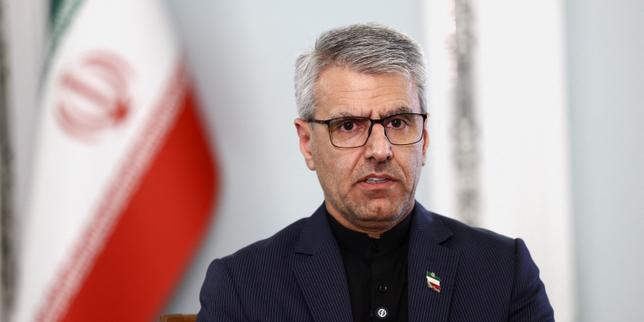
Donald Trump says the deal is basically done. Tehran says he’s dreaming. If you’ve been watching the headlines today, you’re seeing two completely different realities. Trump took to Truth Social to claim the U.S. is about to get its hands on all of Iran’s "Nuclear Dust." He’s talking about the enriched uranium that survived the 2025 airstrikes. But within hours, Iran’s foreign ministry spokesman, Esmaeil Baqaei, went on state TV to shut it down. He didn't just disagree; he said the idea of moving that uranium anywhere hasn't even come up in the talks.
It’s a classic case of diplomatic whiplash. Trump is selling a total victory to his base, while Iran is trying to keep its sovereignty—and its leverage—intact. You’re probably wondering who’s telling the truth. The reality is likely somewhere in the messy middle, buried under layers of wartime posturing and backchannel haggling.
The 440 kilogram elephant in the room
Let’s talk about what’s actually at stake here. Before the U.S. and Israel started hitting Iranian facilities last June, the IAEA—the world’s nuclear watchdog—estimated Iran had about 441 kilograms of 60% enriched uranium. That’s not quite weapons-grade, but it’s dangerously close. Basically, it’s a hop, skip, and a jump away from 90%, which is what you need for a bomb.
Since those strikes, nobody really knows where that material is. The IAEA hasn't had eyes on the ground for months. Trump claims the U.S. has it pinned down via satellite, even if it’s "deeply buried." His recent comments about B2 bombers and "nuclear dust" suggest he thinks the U.S. can just fly in and sweep it up. Tehran, meanwhile, has spent the last year moving things around, blocking tunnel entrances at Isfahan, and playing a high-stakes game of hide-and-seek.
Why the transfer matters for the 2026 peace plan
The current negotiations aren't just about the nukes anymore. They're about ending a war that has gutted the regional economy and left the Strait of Hormuz in a state of constant tension. Here is the core of the disagreement:
- Trump’s Angle: He wants the "ultimate deal." That means Iran gives up every gram of enriched material, period. To him, the blockade stays in place and the pressure stays high until that uranium is on a plane out of the country.
- Tehran’s Angle: They want the 10-point plan for lifting sanctions. They’re willing to talk about a ceasefire and keeping the Strait of Hormuz open, but they view their uranium stockpile as their last remaining insurance policy.
Honestly, it’s hard to see Iran just handing over its most valuable asset without getting everything they want first. Baqaei’s statement that "transfer was never raised" is likely a message to his own hardliners. He can't look like he’s surrendering to Trump's "maximum pressure" while the ink isn't even dry on a ceasefire.
The blockade and the Strait of Hormuz
While they argue over the "dust," the world is breathing a small sigh of relief because the Strait of Hormuz is technically open again. Trump confirmed that Iran is even helping remove sea mines with American assistance. That’s a huge shift. But don't get too comfortable. Trump also made it clear that the American naval blockade on Iran remains in "full force."
He’s using the blockade as a leash. If Iran doesn't budge on the uranium, the ships don't move, and the Iranian economy continues to suffocate. It’s a brutal strategy, but it’s the only reason Tehran is at the table at all right now.
What you should actually watch for
Ignore the tweets and the state TV monologues for a second. If you want to know if a real deal is happening, look for these three things:
- IAEA Access: If Iran actually agrees to let Rafael Grossi’s inspectors back into the Isfahan or Natanz sites, then something is moving. Without verification, Trump’s "Nuclear Dust" claims are just talk.
- The $20 Billion Question: There are rumors that Washington might release $20 billion in frozen funds in exchange for the stockpile. If that money starts moving, the uranium will likely move with it.
- The Weekend Meeting: Axios reported that officials are meeting this weekend to finalize terms. If we don’t see a joint statement by Monday, the "breakthrough" was probably premature.
Stop waiting for a clean ending to this. Diplomacy in the Middle East is rarely a straight line. It's more like a series of aggressive U-turns. Trump is going to keep claiming he’s won, and Iran is going to keep saying they haven't given up a thing.
Your next move? Keep an eye on the oil prices. If they stay stable, it means the market believes the Hormuz opening is real, even if the nuclear dispute is still a total mess. Don't buy into the hype until you see the inspectors on the ground.