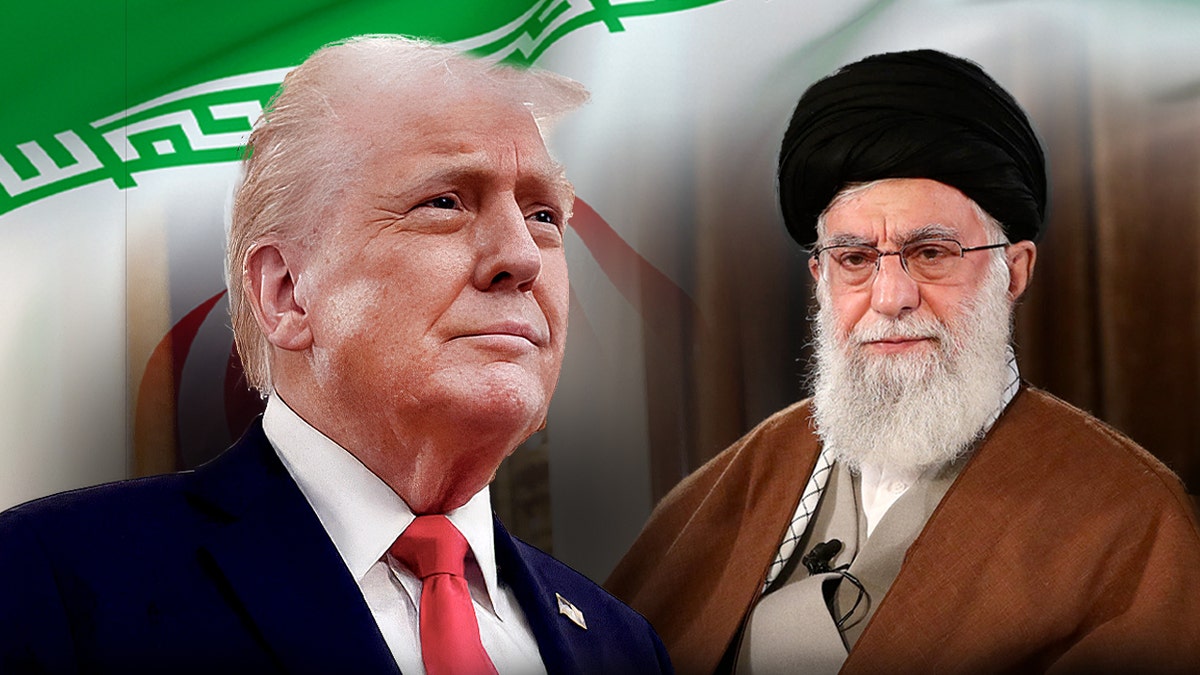
Donald Trump doesn't do subtle. When he tells Tehran they better "get smart soon," he's not just making noise for a social media clip. He's laying down a marker in a high-stakes standoff that's already seen missiles fly and economies crumble. If you've been following the headlines, you know the situation is tense, but the reality on the ground is even grittier.
The United States is currently holding a naval blockade over Iran like a vice. It's tightening by the day. This isn't the 2015 JCPOA era where diplomats sipped espresso in Viennese hotels. This is 2026, and the rules of engagement have shifted from "containment" to "capitulation." Trump's latest warning comes after he reportedly rejected a proposal from Iran to reopen the Strait of Hormuz—a vital artery for the world's oil.
The Strategy Behind the Get Smart Warning
What does "getting smart" actually look like in Trump’s world? It’s simple. Total dismantlement. The current administration isn't interested in the "sunset clauses" or the limited enrichment allowed under the old Obama-era deal. They want zero enrichment. Period.
The recent military strikes—dubbed Operation Midnight Hammer—showed that the U.S. is willing to use force to reset the board. By obliterating key parts of Iran's nuclear infrastructure, the U.S. has effectively told Tehran that their leverage is gone. You're seeing a "maximum pressure" campaign on steroids.
The Iranian rial has hit historic lows. People in Tehran are feeling a sense of despair that's hard to put into words. When you talk to folks there, they'll tell you that every negotiation seems to bring more pain, not less. They go to the table, and they come back with more sanctions. It’s a cycle that feels never-ending.
Why the Strait of Hormuz is the Ultimate Bargaining Chip
Iran has tried to use its geography as a shield. By blockading the Strait of Hormuz, they've sent global energy prices into a tailspin. It's a bold move, but it’s also a desperate one. Trump’s response? He’s telling oil executives that the U.S. can maintain its own naval blockade for months if that's what it takes to protect American consumers and force Iran’s hand.
- The Iranian Proposal: Tehran wants a deal where they ease the chokehold on the strait in exchange for Washington lifting the retaliatory blockade.
- The U.S. Response: Trump isn't biting. He sees the "Hormuz for Sanctions" swap as a half-measure. He wants a comprehensive deal that addresses nuclear enrichment, ballistic missiles, and regional proxies all at once.
Pakistan is currently playing the middleman, passing plans back and forth. But the gap between the two sides is a canyon. Iran is talking about building 19 more reactors and wants American involvement to "revitalize" the U.S. nuclear industry. It’s a cheeky pitch, but it’s not landing.
Breaking Down the 15 Point Plan
The rumored U.S. plan is a list of demands that basically asks Iran to stop being the Iran we've known for decades.
- Zero Enrichment: No nuclear material allowed to be processed on Iranian soil.
- Removal of Material: The U.S. wants to physically recover and remove existing nuclear material.
- Missile Limits: A hard cap on ballistic missile production.
- Regional De-escalation: Cutting off support for groups like Hezbollah and the Houthis.
Vice President JD Vance has been vocal about this. He says the goal is an "affirmative commitment" that Iran won't even seek the tools to build a weapon. They aren't just looking at the bomb; they're looking at the factory.
The Human Cost of the Standoff
It’s easy to get lost in the talk of blockades and enrichment levels, but the human reality is stark. In Lebanon, over a million people are facing acute hunger because of the spillover from this conflict. The region is a tinderbox.
Trump’s rhetoric—like the social media post showing him in front of a wrecked desert fortress with the slogan "No more Mr. Nice Guy"—is designed to project strength. To his supporters, it’s a refreshing change from "weak" diplomacy. To his critics, it's a reckless gamble that could lead to a permanent "frozen conflict" or a much wider war.
What Happens if Iran Doesn't Get Smart
If Tehran continues to reject the 15-point plan, we’re looking at a prolonged naval blockade. This isn't just about ships sitting in the water; it’s about a total economic strangulation that seeks to force a change from within.
Trump’s meeting with Britain’s King Charles III recently underscored this. He told guests that Iran has been "militarily defeated." While that might be an overstatement depending on who you ask, the U.S. is clearly acting as if the war is already won and they're just waiting for the paperwork to be signed.
Your next steps to stay informed:
- Watch the energy markets. If the Strait of Hormuz stays closed, expect a spike in gas prices that could force the U.S. to change tactics.
- Keep an eye on the Pakistan-mediated talks. Any movement there will be the first sign of a thaw.
- Monitor the IAEA reports. If inspectors are expelled, it’s a signal that Iran is choosing escalation over the "smart" path Trump is offering.
The window for a "smart" deal is closing fast. Iran has to decide if they want to be a functioning member of the global economy or a fortress under siege. Trump has made his choice. Now the ball is in Tehran’s court.
The Global Story: Why was the last US nuclear deal with Iran ripped up?
This video provides essential context on the original 2015 nuclear deal and explains why the current administration's approach is so fundamentally different today.