Iran just threw another verbal punch at Donald Trump, and his response was exactly what you’d expect: a shrug and a "whatever."
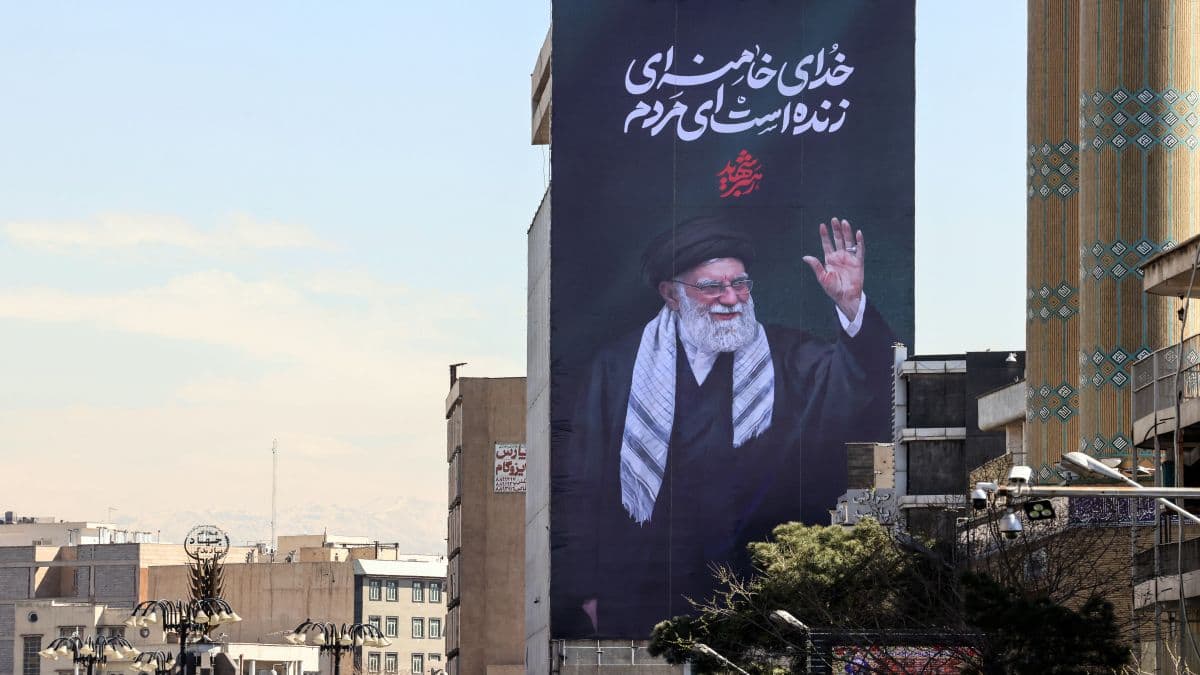
Ali Larijani, a high-ranking aide to the late Supreme Leader Ali Khamenei, recently took to social media and state airwaves to declare that Trump would "pay a heavy price" for the February 28 strikes that killed Khamenei. It’s the kind of fire-and-brimstone rhetoric we’ve heard from Tehran for decades, but the context is different now. We aren't in a cold war anymore. With Operation Epic Fury currently dismantling Iranian military infrastructure, these threats feel less like a strategic warning and more like a desperate gasp from a regime with its back against the wall.
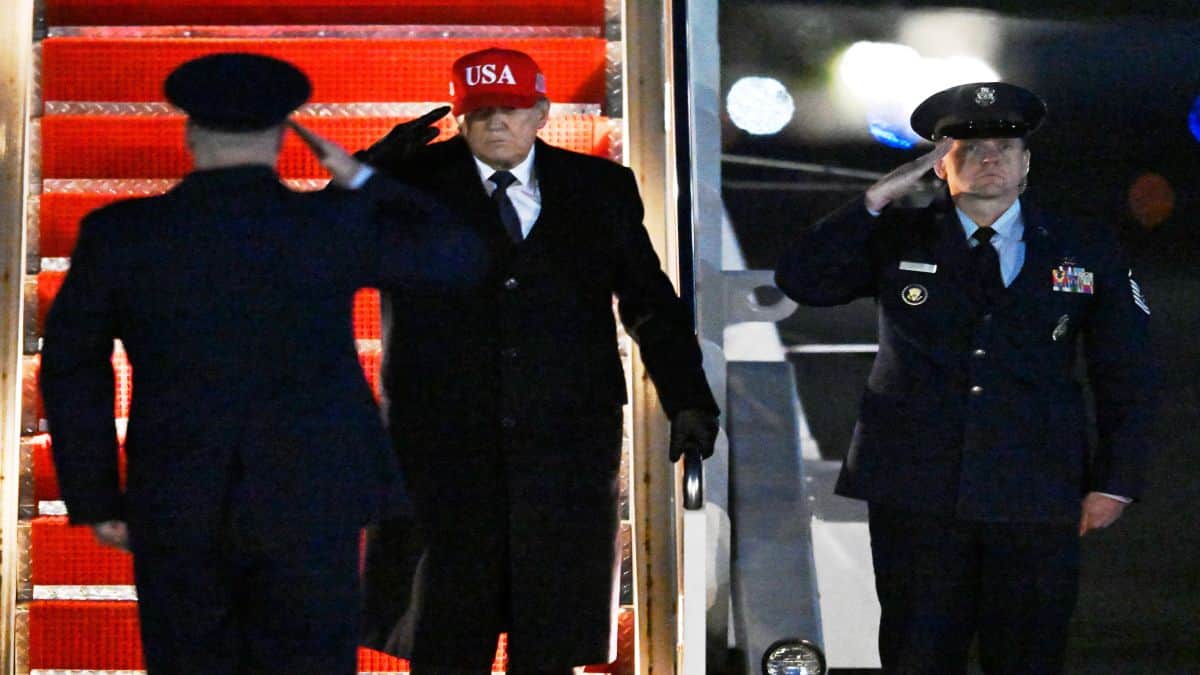
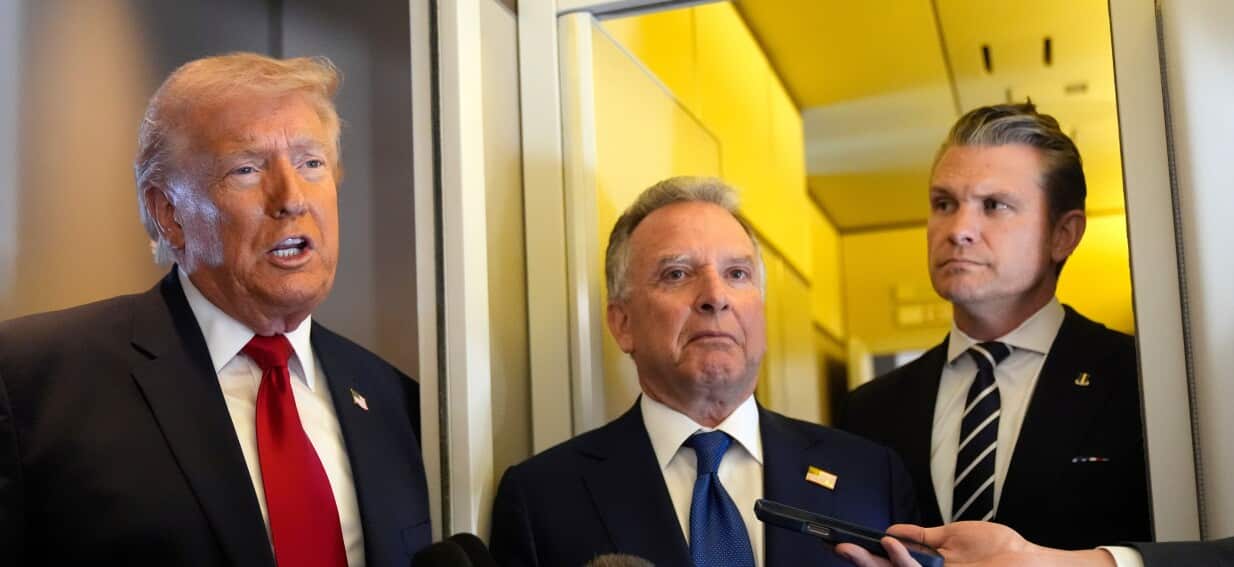
When asked about Larijani’s vow for "reciprocating" the assassination, Trump didn't mince words. He told CBS News he didn't even know who the guy was. "I have no idea what he's talking about," Trump said. "I couldn't care less."
The Price of Escalation
Larijani isn't just some random bureaucrat. As the secretary of Iran’s Supreme National Security Council, he’s one of the few veterans left standing after the decapitation strikes in Tehran. His claim that over 500 U.S. troops have died in the last week is almost certainly a fantasy—the Pentagon has confirmed only six American service members killed so far—but the "heavy price" he’s talking about isn't just about troop counts.
He’s trying to play on American war fatigue. By framing the conflict as an "unjust war" dragged on by Israeli interests, Tehran hopes to spark domestic backlash in the States. They’re betting that if they can keep the threat of "certain death" hanging over American assets, the U.S. public will force a retreat.
But that bet hasn't paid off yet. Instead of retreating, the U.S. and Israel have doubled down. Defense Secretary Pete Hegseth recently boasted that the U.S. would have "complete control" of Iranian skies within days. When you’ve lost your Supreme Leader, your navy is being picked off by Mark 48 torpedoes, and your air force is "no more," your threats of making someone "pay the price" start to lose their sting.
Why the Shrug Matters
Trump’s "couldn't care less" attitude isn't just bravado. It’s a calculated part of his "Maximum Pressure" 2.0 strategy. By dismissively ignoring the threats, he’s signaling that the old rules of Middle Eastern diplomacy—where every Iranian threat was met with a carefully worded State Department "concern"—are dead.
The White House is clearly aiming for unconditional surrender. Trump has basically said he doesn't care if Iran becomes a democracy or stays an autocracy, as long as the new leadership "treats the U.S. and Israel well." It’s a transactional approach to regime change that leaves no room for the kind of "heavy price" Larijani is trying to sell.
The Ground Reality in Tehran
- Military Degradation: Operation Epic Fury has reportedly destroyed over 20 Iranian naval vessels and crippled missile batteries across the country.
- Leadership Vacuum: With Khamenei gone, the regime is being run by a temporary three-man council. Hardline clerics are scrambling to find a successor while the military chain of command is in tatters.
- Economic Collapse: Fresh strikes on oil facilities in Tehran and civilian infrastructure disruptions are costing the region billions.
The Risks of Ignoring the Dog That Barks
Is Trump being too reckless? Some critics think so. There’s a legitimate worry that a cornered animal is the most dangerous. While the Iranian Air Force might be grounded, their "asymmetric" capabilities—proxies like Hezbollah, sleeper cells, and cyber warfare—don't require a functional government in Tehran to cause chaos.
Larijani warned neighboring Gulf states that they’d be "legitimate targets" if they let the U.S. use their soil for attacks. We’ve already seen smoke over Fujairah and blasts in Bahrain. If Iran can't hit the U.S. directly, they'll hit the global oil supply or American allies. That’s the "heavy price" that could actually hurt.
What Happens Next
The rhetoric is only going to get louder as the U.S. moves to finalize "control of the skies." You should expect more "heavy price" warnings from whoever is left in the Iranian cabinet. But unless Tehran can actually land a significant blow against a U.S. carrier or a major regional hub, those words are just noise.
If you’re watching the markets or the news, don't get distracted by the daily threats. Watch the movement of the second U.S. aircraft carrier heading to the Persian Gulf. Watch whether the Omani mediators can actually get anyone to the table for "unconditional surrender" talks. The regime in Tehran is fighting for survival, while the White House is acting like the fight is already over.
Keep a close eye on the "red" restrictions in Israel and the energy prices in the Gulf. Those are the real indicators of how much this "price" is actually costing the world.
If you want to stay ahead of the next escalation, monitor the official updates from the Pentagon regarding Operation Epic Fury and the status of the Iranian "temporary council." The window for a diplomatic exit is closing fast.