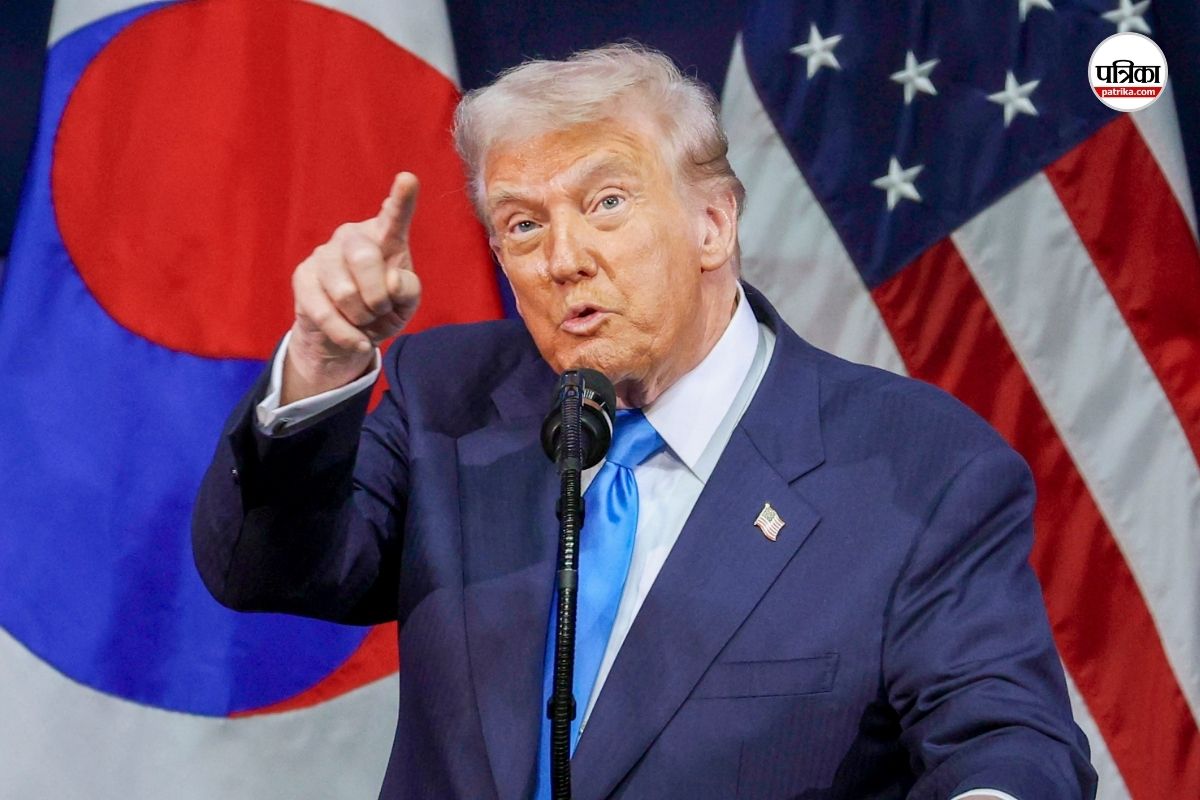
Iran just blinked. After weeks of posturing and threats to choke the global energy supply, Tehran has reportedly signaled that the Strait of Hormuz will remain open for business. This narrow stretch of water carries roughly a fifth of the world’s oil, making it the ultimate geopolitical kill switch. But if the Iranian leadership thought this gesture would buy them a reprieve from Washington, they’ve clearly misread the room. Donald Trump isn't interested in temporary de-escalation. He’s doubling down on the blockade.
The Hormuz Illusion
For decades, the threat of closing the Strait of Hormuz has been Iran's favorite card to play. It's their version of nuclear deterrence without the actual warheads. They know that even a 24-hour disruption would send global Brent Crude prices screaming past $100 a barrel. It would wreck Western economies and trigger a political firestorm for any sitting U.S. president.
Tehran is currently feeling the squeeze of crippling sanctions that have hollowed out its middle class and sparked domestic unrest. Opening the Strait isn't an act of diplomacy; it’s a survival tactic. They’re trying to look like the reasonable actor on the global stage while painting the U.S. as the aggressor. But Trump’s latest declaration makes one thing clear. The "maximum pressure" campaign isn't tied to maritime traffic. It's tied to the total behavior of the Iranian regime.
Trump Strategy of Economic Suffocation
Trump’s stance is blunt. He doesn't care if the ships are moving if the money from those ships is still funding proxy groups across the Middle East. The blockade he's talking about isn't just a physical naval presence. It's a financial vacuum. He’s effectively told the world that if you do business with Tehran, you don't do business with the United States.
The U.S. Treasury Department has been more effective than any aircraft carrier group. By targeting the Central Bank of Iran and the Islamic Revolutionary Guard Corps (IRGC), the administration has cut off the lifeblood of the Iranian economy. Trump's recent "announcement" essentially confirms that the status of the Strait doesn't change the underlying math. He wants a new deal that covers ballistic missiles and regional interference, not just the nuclear program. Until then, the economic noose stays tight.
Why the Oil Market isnt Panicking
Usually, news of a potential blockade or a reopening would send traders into a frenzy. Right now? The market is surprisingly quiet. There’s a few reasons for this. First, the U.S. is now the world’s largest producer of oil and gas. We aren't as vulnerable to Middle Eastern supply shocks as we were in the 1970s or even the early 2000s.
Second, nobody actually believes Iran will close the Strait permanently. It would be a suicidal move. If they block the water, they block their own ability to export whatever limited oil they're still smuggling out to places like China. They’d be cutting their own throat to spite their face. Trump knows this. He’s calling their bluff because he knows they need the water open more than he does.
The Proxy War Shadow
While the headlines focus on tankers and naval destroyers, the real fight is happening in the shadows of Lebanon, Yemen, and Iraq. This is where Trump’s blockade hurts the most. When the Iranian Rial loses half its value in a year, there’s less cash to send to Hezbollah or the Houthis.
I've seen this play out before. When sanctions hit hard, the first thing to dry up isn't the regime's luxury goods; it’s the funding for their foreign adventures. Trump’s refusal to back down despite the Hormuz "opening" is a signal to regional allies like Israel and Saudi Arabia. He’s telling them that the U.S. isn't going to let Iran trade a "hall pass" in the Gulf for a free hand in the Levant.
The Misconception of the 12 Demands
Many analysts argue that Trump’s demands are too high. They say he’s asking for a total surrender that no sovereign nation would ever accept. Maybe they're right. But from the White House's perspective, the goal isn't necessarily a signed treaty tomorrow. It’s the degradation of the regime's capability to cause trouble today. Every day the blockade continues is a day the IRGC has to choose between paying its soldiers and fixing its aging power grid.
The China Factor
You can't talk about the Iran blockade without talking about Beijing. China is the primary "leak" in the U.S. sanctions bucket. They’ve been buying Iranian oil at a steep discount, often using "ghost tankers" that turn off their transponders to avoid detection.
Trump’s announcement is as much a message to Xi Jinping as it is to Tehran. He’s signaling that the U.S. is willing to keep the pressure on even if it complicates global trade. If China continues to bankroll the Iranian regime, they risk being caught in the crosshairs of secondary sanctions. It’s a high-stakes game of chicken where the global economy is the road.
Logistics of a Modern Blockade
A 21st-century blockade doesn't look like the British Navy surrounding a port in 1812. It’s digital. It’s about SWIFT codes, insurance certificates, and satellite tracking.
- Shipping Insurance: Most tankers can't sail without insurance from Western firms. When the U.S. threatens those firms, the ships stop moving.
- Refining Capacity: Iran has plenty of crude but struggles with refining it into gasoline. Blocking the import of technical parts is just as effective as a naval mine.
- Currency Manipulation: By restricting the flow of USD, the U.S. forces Iran into awkward barter trades with gold or local currencies, which is incredibly inefficient.
Preparing for the Next Escalation
Don't expect a sudden handshake or a grand summit. The "opening" of the Strait of Hormuz is a minor tactical shift in a very long war of nerves. Iran will likely continue to test the limits of the U.S. Navy with "fast boat" harassments and drone surveillance. Trump will likely respond with more executive orders and increased troop rotations in the region.
If you’re watching this from an investment or energy perspective, keep your eye on the "invisible" data. Watch the Iranian Rial’s black market exchange rate and the number of tankers sitting idle off the coast of Kharg Island. Those are the true metrics of who is winning this standoff. The rhetoric about the Strait is just noise. The blockade is the reality.
Investors should diversify away from assets heavily tied to Middle Eastern stability in the short term. The volatility isn't going anywhere. Expect more "breakthroughs" that turn out to be nothing and more "threats" that are mostly for show. The core policy remains unchanged. Pressure until something breaks or something gives. Right now, it looks like Tehran is the one starting to crack. Be ready for the ripple effects in the global energy market when the next round of sanctions hits the shipping insurance sector. That’s where the real teeth are.