Democracy only works if you can cast your vote in private, without someone looking over your shoulder or telling you which box to cross. That is the entire point of a secret ballot. But after the Gorton and Denton by-election in February 2026, those basic rules are under fire. Reform UK has officially reported claims of "family voting" to both the police and the Electoral Commission, sparked by a report that suggests the practice was rampant at several polling stations.
This isn't just about a party being a "sore loser" after coming in second. It's about a specific, illegal practice that the UK has been trying to stamp out for years. If you think the "secret" part of a secret ballot is optional, you're wrong. Under the Ballot Secrecy Act 2023, it's a criminal offense to interfere with someone's privacy in the booth.
What actually happened in Gorton and Denton
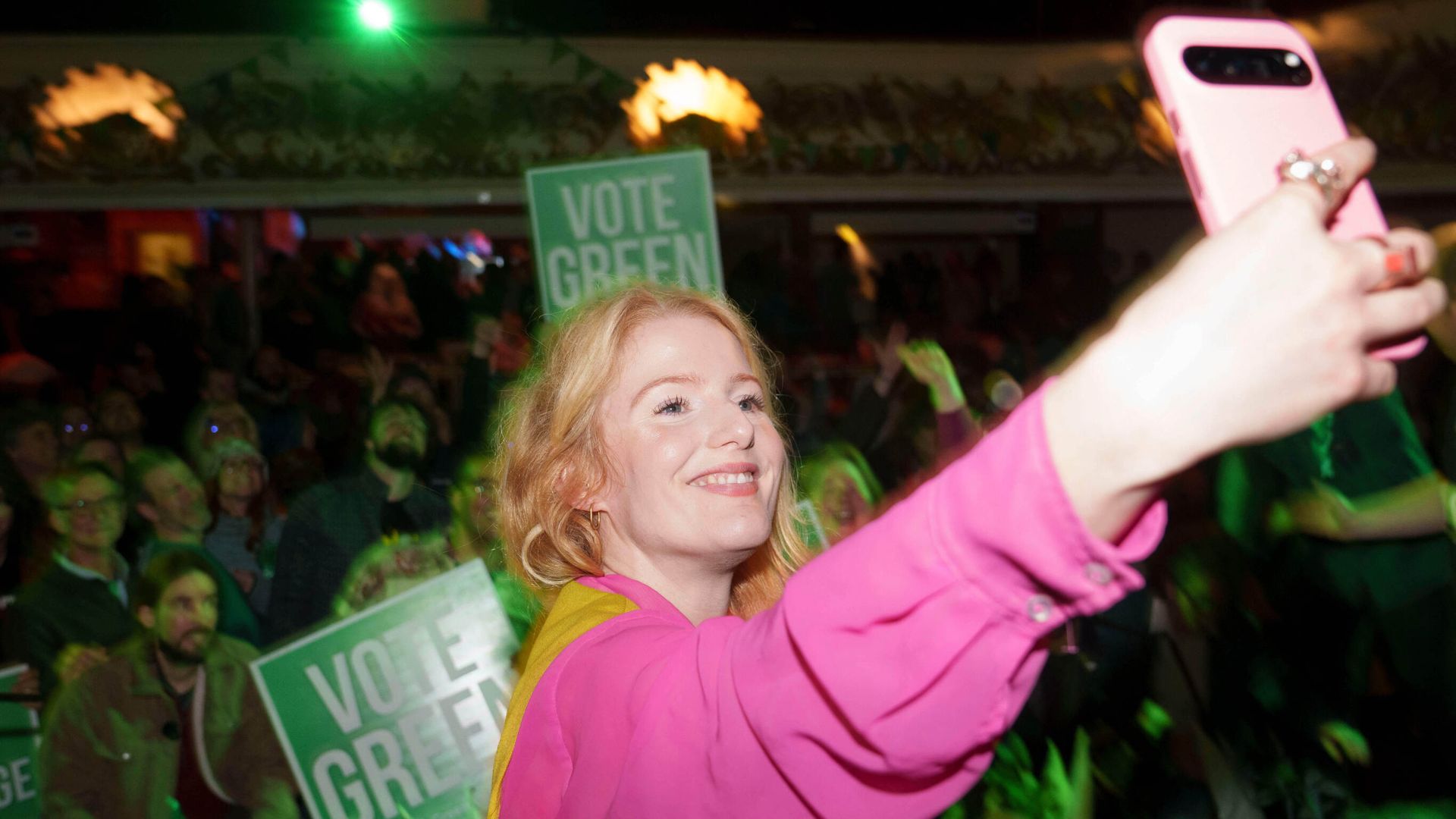
The Green Party's Hannah Spencer won the seat, unseating a Labour stronghold with a majority of over 4,400 votes. But the headlines shifted quickly from the victory to the conduct at the polls. Democracy Volunteers, an independent group that monitors elections, dropped a bombshell report claiming they saw family voting in 68% of the polling stations they visited.
To put that in perspective, they observed the Runcorn and Helsby by-election recently and saw the practice in only 12% of stations. In Gorton and Denton, they claim 12% of all voters they monitored were either affected by or actively participating in family voting. That's a massive jump.
Nigel Farage didn't hold back. He called the result a product of "sectarian voting and cheating." While the Greens dismissed this as a tactic straight out of the "Trump playbook," the sheer numbers provided by impartial observers have forced Greater Manchester Police to open a review.
Defining the illegal act of family voting
Most people hear "family voting" and think of a husband and wife chatting about politics over breakfast. That’s fine. What isn't fine—and what's actually illegal—is when two people enter a single polling booth together or when one person directs another on how to vote while they are in the station.
The law is clear. You go in alone. You mark your paper alone. You leave alone. The only exceptions are for voters with disabilities who need specific assistance, and even then, there are strict protocols involving the presiding officer.
- The Ballot Secrecy Act 2023: This law made it a specific offense to accompany someone into a booth or even stand near them with the intent to influence their vote.
- Voter Sovereignty: The principle that your vote belongs to you, not your head of household, your spouse, or your community leader.
- Coercion Risks: While it looks like "help" to some, it often masks domestic pressure or community "bloc" voting where individuals (frequently women) are denied a real choice.
Why the Electoral Commission is under pressure
The Electoral Commission is the watchdog, but they don't have handcuffs. They’ve directed Reform UK to the police because, at the end of the day, electoral fraud is a matter for the cops. However, the Commission's role in providing guidance to polling station staff is now being questioned.
Manchester City Council defended their staff, saying no issues were reported during the day. They actually hit back at Democracy Volunteers, calling it "disappointing" that the group waited until the polls closed to speak up. But the observers argue it's international standard not to comment until the voting is over to avoid influencing the ongoing election.
It’s a classic "he-said, she-said" between the council and the observers, but the data from Democracy Volunteers is hard to ignore. They reported nine cases of family voting at a single polling station. That’s not a one-off mistake; that’s a systemic failure of the "one person, one vote" rule.
The broader threat to election integrity
If this happened at the polling stations, Farage is asking a valid (if provocative) question: what’s happening with postal votes? Postal voting has long been the "Wild West" of UK elections because there’s zero supervision. If people are bold enough to ignore the law in front of a presiding officer, the potential for coercion behind closed doors at home is significantly higher.
We’re seeing a shift in how UK elections are fought and contested. The 2024 general election already saw a spike in candidate intimidation and abuse. Now, the focus is shifting toward the technical ways the vote itself might be compromised.
Whether or not the 4,400-vote majority would have been overturned is almost irrelevant to the legal point. If the process is broken in 15 out of 22 stations, the integrity of the whole result is stained. You can't have a "mostly" fair election any more than you can be "mostly" pregnant.
What happens now
Greater Manchester Police are currently reviewing the report. Don't expect a result overnight. These investigations take months of interviewing staff and reviewing footage where available.
If you're worried about the integrity of your own vote or want to ensure the rules are followed in future elections, here’s what you should know:
- Know your rights: You have the absolute right to a private booth. If someone tries to follow you in, tell the polling staff immediately.
- Watch for "helpers": If you see people loitering near booths or "assisting" multiple voters, report it to the Presiding Officer on site.
- Postal Vote Security: If you feel pressured at home, you can still choose to vote in person instead. Your in-person vote will cancel out any postal vote you previously sent.
The Gorton and Denton case will likely lead to even tighter rules for the May local elections. For now, the police have the ball, and the Electoral Commission has some serious explaining to do regarding how so many instances of illegal voting allegedly went unnoticed by staff.