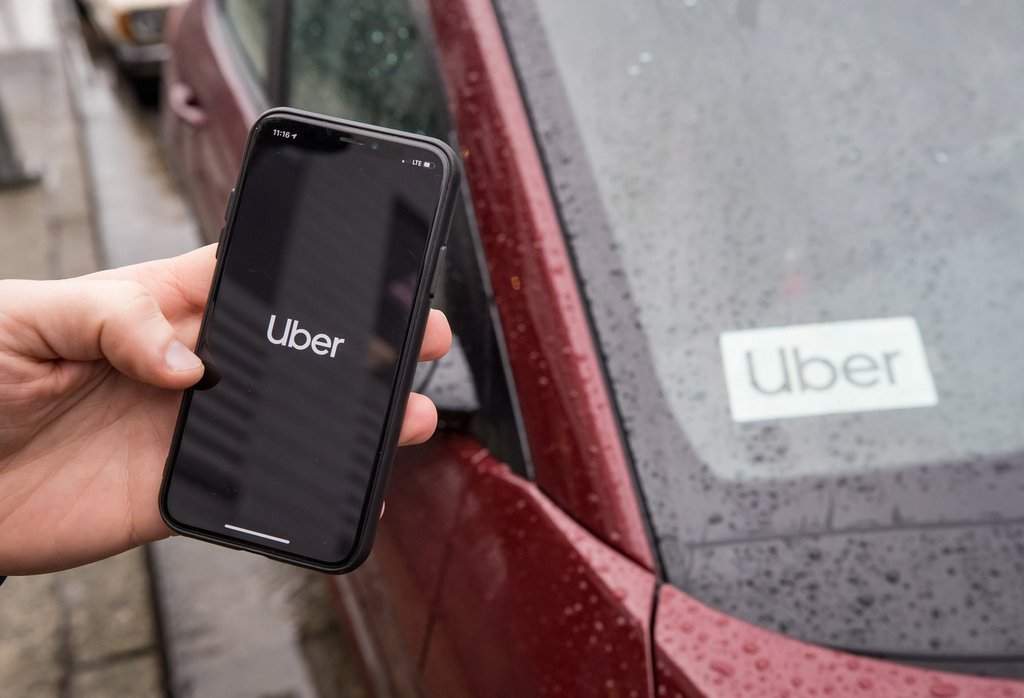
You’ve probably been there. You request an Uber, realize the wait is too long or your plans changed, and hit cancel within seconds. Suddenly, a $5.75 charge hits your credit card. Most of us just grumble and move on, but the Quebec Superior Court just decided that "moving on" isn't the only option. On March 27, 2026, the court officially gave the green light to a class-action lawsuit that could force Uber to pay back millions in those pesky fees.
This isn't just about a few dollars. It’s a direct challenge to how tech giants use "dark patterns" and vague contract language to dip into your wallet. If you’ve used Uber or Uber Eats in Quebec since 2019, you’re now part of a legal fight that could change how digital contracts work across the country.
The Case Against the $5.75 Surprise
The lawsuit was sparked by Valerie Ohayon, a Montrealer who got fed up after her minor son was charged $5.75 for a cancelled ride in 2022. Her legal team, led by Joey Zukran of LPC Avocats, argues that Uber is playing fast and loose with Quebec’s Consumer Protection Act (CPA).
Here’s the core of the argument: Uber’s terms of service are intentionally vague. They say cancellation fees "may be charged," but they don't explicitly state the exact amount. In the world of Quebec consumer law, that’s a massive no-no. Section 12 of the CPA basically says if it’s not clearly in the contract, you can’t charge it.
Why Quebec Law is a Nightmare for Uber
Quebec is famously the toughest jurisdiction in North America for consumer rights. While other provinces might let a "potential fee" slide, Quebec courts demand precision.
- Fixed Fees vs. Actual Costs: The lawsuit claims that charging a flat $5.75 (or $6.90 in some cases) violates rules that require charges to reflect the actual cost of the service. If the driver hasn't moved yet, what "service" was provided?
- The "No Service" Factor: Zukran points out a simple logic. If you call a traditional taxi and don't get in, they don't bill your credit card because no service was rendered. Uber, by contrast, takes your money before the wheels even turn.
- Dominant Market Position: The suit alleges Uber exploits its position to flout responsibilities, knowing most people won't fight a five-dollar charge.
Not Just Rides: Uber Eats is in the Crosshairs Too
If you think this is just about cars, think again. The authorization includes Uber Eats. We’ve all been there—ordering a burger, realizing the delivery time is 70 minutes, and trying to back out. Uber often keeps a significant chunk of that money as a "cancellation fee," even if the restaurant hasn't started the grill.
The court is looking at whether these food delivery cancellations also breach the CPA. The legal team is seeking the full refund of all cancellation fees collected since September 6, 2019, plus punitive damages. When you add up every "oops" cancellation across the entire province over seven years, we're talking about a staggering amount of money.
Uber’s Defense: "It’s All in the App"
Uber isn't taking this sitting down. Their stance is straightforward: the fees are there to compensate drivers for their time and fuel. They claim that before you hit that final "Cancel" button, a pop-up clearly warns you about the fee.
From Uber's perspective, this is about platform stability. If everyone cancelled rides without penalty, drivers would quit, wait times would skyrocket, and the whole system would collapse. They argue the disclosure happens right when it matters—at the point of the transaction—rather than being buried in a 50-page legal document nobody reads.
Who is Actually Included?
You don't need to sign up for a newsletter or call a lawyer to be part of this. In Quebec, class actions are "opt-out." That means if you fit the criteria, you’re in by default.
- The Group: Anyone in Quebec who used Uber or Uber Eats.
- The Timeline: From September 6, 2019, to the present.
- The Trigger: You were charged a cancellation fee that wasn't precisely indicated in your initial contract.
What This Means for Your Wallet
Don't expect a check in the mail tomorrow. Class actions are marathons, not sprints. Now that the suit is "authorized," it moves to the trial phase where a judge will look at the merits of the case.
However, this authorization is a huge hurdle to clear. It means a judge saw "serious" enough evidence to warrant a full trial. It puts Uber in a position where they might prefer to settle for a massive sum rather than risk a judgment that could set a precedent for their operations worldwide.
If they lose, we could see an end to fixed cancellation fees in Quebec. Uber might have to switch to a model where they only charge for the actual distance a driver traveled toward you, or—more likely—they'll have to overhaul their entire user agreement to be incredibly specific about every penny they charge.
Next Steps for You
Since you’re automatically included, you don't have much "work" to do, but you should stay organized.
- Audit your receipts: Go into your Uber app, look at your "Activity," and search for "Cancellation Fee." Keep a screenshot of those receipts.
- Don't delete your account: If a settlement eventually happens, your account history is your proof of purchase.
- Monitor the notice: As the case progresses, the court will require Uber to send out formal notices (usually via email) explaining your rights to stay in or opt-out of the group.
Uber is finding out the hard way that "Terms and Conditions Apply" doesn't work in Quebec unless you say exactly what those conditions are. This case is a wake-up call for the entire "gig economy" to stop hiding fees in the fine print.