Diplomacy is usually a game of measured words and rehearsed pauses. But every so often, the mask slips, and what comes out is so bafflingly out of touch that it leaves everyone in the room staring at their shoes. That's exactly what happened when the US Ambassador to Lebanon, Dorothy Shea, decided to try her hand at "wartime humor" during a staff meeting while the Middle East sat on a knife-edge.
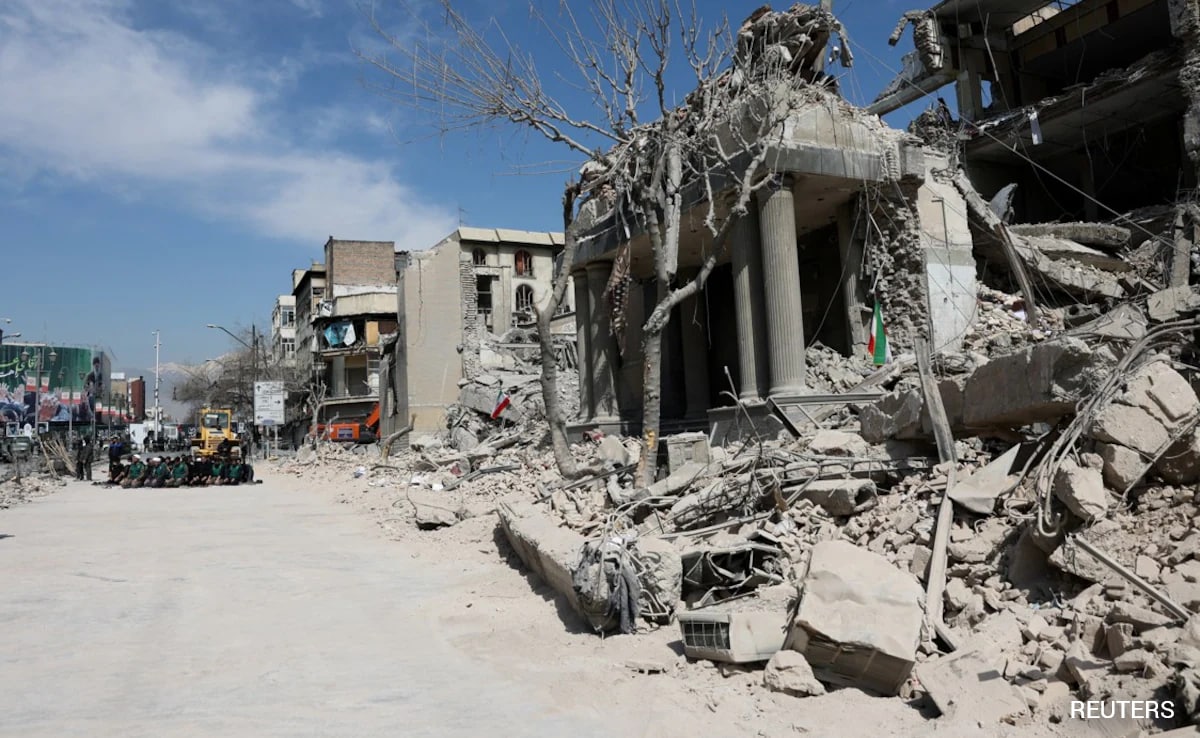
The backdrop wasn't exactly a comedy club. Tensions between the US and Iran were hitting a fever pitch. Rockets were flying. Embassies were on high alert. People were literally worried about a regional conflagration. In that high-pressure environment, Shea reportedly told her staff that if they were looking for a way to contribute to the mission, they should "give birth to your next child" and even threw in a quip about naming the baby if it turned out to be a boy.
Why Tone Deafness in High Places Matters
It’s easy to dismiss this as just a bad joke. We've all made them. But when you’re the face of American interests in a country like Lebanon—a place that's practically the front line for any US-Iran proxy conflict—your words carry the weight of the State Department.
The staff at the embassy in Beirut aren't just office workers. They live under constant security threats. Many are local Lebanese employees who see their country being pulled into a war they didn't ask for. Telling people to go out and procreate as a response to looming military conflict isn't just "awkward." It’s a total failure of leadership. It suggests a level of detachment from the reality on the ground that makes people wonder if the folks in charge actually understand the stakes.
The Problem With Defensive Humor in Diplomacy
Psychologists often talk about "gallows humor." It’s a coping mechanism for people in high-stress jobs like ER doctors or soldiers. But there's a hierarchy to it. You can joke with your peers to blow off steam. You don't joke at your subordinates when they're looking to you for stability and direction.
Shea’s comment about having a boy—and implying a specific name related to the geopolitical situation—hit a nerve because it felt flippant. During the 2020-2024 era of heightened tensions, the US presence in Beirut was already a lightning rod. Hezbollah was ramping up rhetoric. The Lebanese economy was in a death spiral. In that context, a "stay pregnant and carry on" message feels less like a joke and more like an insult to the people doing the hard work of diplomacy.
How Leadership Fails During a Crisis
Leaders often feel the need to lighten the mood. They think they’re being "one of the team." They want to seem relatable. But in a crisis, relatability is secondary to competence and empathy.
When the news of the joke leaked, it didn't just stay within the embassy walls. It moved through the diplomatic grapevine and eventually hit the press. This is the "leak economy" of the State Department. If your staff respects you, they'll bury your mistakes. If they feel like you're treating a potential war like a punchline, they’ll make sure the world knows about it.
The fallout was predictable. It gave critics of US policy in the region a perfect "let them eat cake" moment to point to. It painted the US diplomatic mission as out of touch, elitist, and fundamentally disinterested in the actual human cost of the conflict they were managing.
Lessons From the Beirut Embassy Blunder
If you're in a position of power, there are a few things you can learn from this mess. First, read the room. If the room is currently being outfitted with blast curtains and emergency evacuation plans, it's not the time for stand-up comedy.
Second, understand the cultural context. In the Middle East, family and children are deeply respected, but they aren't pawns for political jokes. Using the idea of childbirth as a "wartime contribution" is bizarre in any culture, but it’s especially jarring in a region that has seen generations of children grow up in the shadow of war.
Moving Past the Gaffe
Fixing a reputational hit like this isn't about issuing a press release. It’s about doing the work. The US embassy had to pivot back to the actual mission: navigating the complex relationship between the Lebanese government, the various political factions, and the looming threat of Iran-backed escalation.
Dorothy Shea eventually moved on from the post, but the incident remains a textbook example of how not to handle staff morale during a geopolitical crisis. It serves as a reminder that in the world of high-stakes international relations, your "inner thoughts" should probably stay inner.
If you find yourself leading a team through a high-pressure situation, keep the focus on the mission. Validate the stress your team is under instead of trying to joke it away. Focus on clear communication, transparent safety protocols, and actual support systems. Leave the comedy to the professionals and the "awkward jokes" for your private dinner parties, not the embassy briefing room.